Every team that wants to compete at a high level needs a reliable plan for neutralizing quick transitions because a single lapse can undo ninety minutes of disciplined work. Modern matches are often decided in the five seconds after possession changes hands and the most dangerous opponents exploit that window with ruthless efficiency. Coaches who understand how to structure a back line, time their pressure and communicate across the pitch give their squads a measurable edge. This guide breaks down the essential components of soccer defensive tactics into a logical progression that any staff can install during a training week. We will move from the foundational shape required before the ball is lost all the way through the specific recovery runs that save goals in the dying minutes.
Establishing a Compact Rest Defense Structure
The first prerequisite for stopping a counterattack is the positioning of players at the exact moment possession is surrendered. A rest defense typically consists of three or four players who stay behind the ball during attacking phases so they are already positioned to intercept the first forward pass. Center backs should maintain a distance of no more than ten meters from each other while the defensive midfielder occupies the space directly in front of them forming a triangle that covers the central corridor. Wing backs or wide midfielders tuck inside when the ball is on the opposite flank creating a narrow block that forces any breakout toward the touchline where it can be contained. This shape must be rehearsed in shadow play sessions until every player moves instinctively without verbal cues.
Distance between the lines is equally critical because a gap larger than fifteen meters between the midfield and the back line invites the opponent to play a through ball into the pocket. The defensive midfielder acts as the connector dropping deeper when the attacking midfielders push high and stepping up when the center backs are forced wide. Coaches should use freeze frames during eleven versus eleven drills to measure these distances with cones and correct them in real time. When the rest defense is calibrated correctly the opposition often finds itself playing sideways or backward because the direct route to goal is visually and physically blocked.
Triggering Immediate Pressure on the Ball Carrier
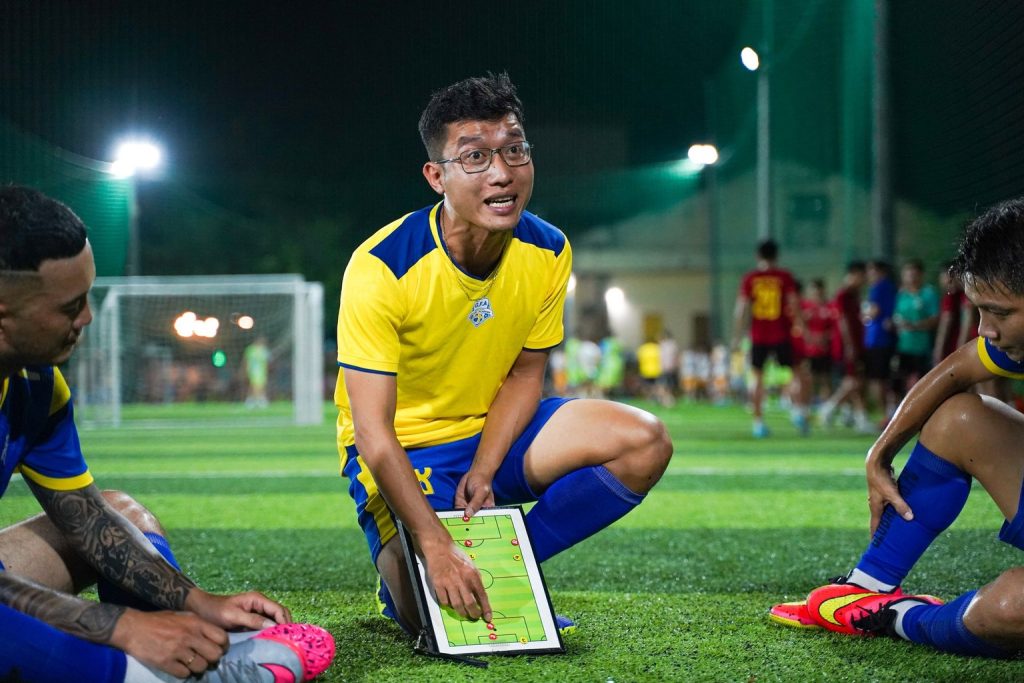
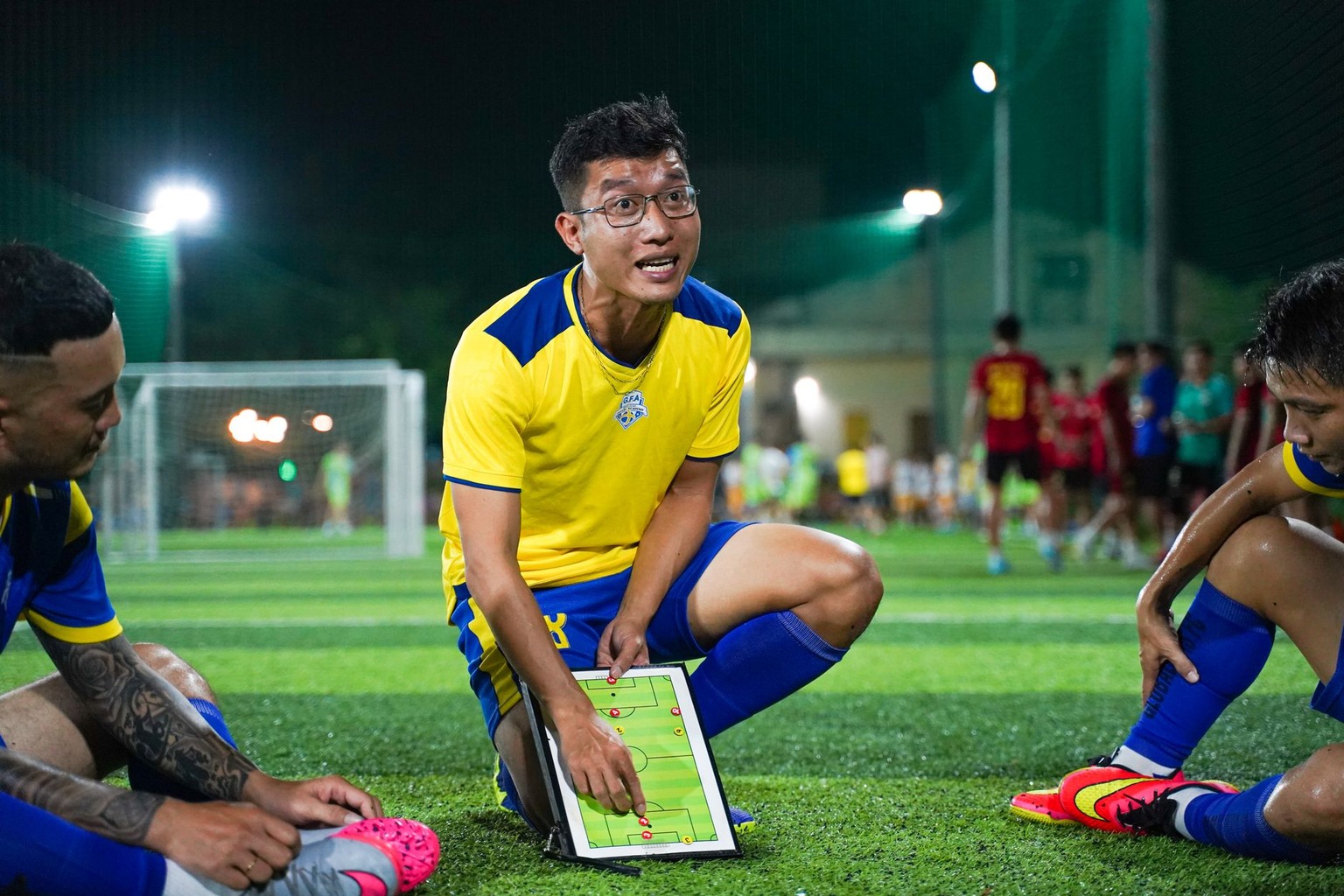
Once the ball is lost the nearest two or three players must apply coordinated pressure within two seconds to disrupt the opponent’s vision and passing lanes. The first defender curves their run to steer the ball carrier toward a sideline or into a waiting teammate rather than chasing straight at the ball which opens a lane for a split pass. The second defender anticipates the most likely outlet and positions themselves to intercept or tackle the moment the pass is played. This double team buys precious seconds for the rest of the squad to sprint back into their defensive slots. Training this reaction requires small sided games with a transition rule that rewards the pressing team with a point every time they force a turnover inside the attacking third.
Communication during this phase cannot be left to chance. When the pressing forward signals a keyword like ‘press,’ the entire midfield line must move forward simultaneously. If the first defender gets beaten cleanly the signal changes to “delay” telling the second defender to drop off and protect the space behind rather than committing to a hopeless challenge. These verbal cues must be standardized across the entire roster from the first team down to the academy so that new call ups integrate seamlessly. Video review of the first five seconds after loss of possession highlights whether the triggers are firing consistently or if hesitation is creeping in.
Delaying the Advance Until Numbers Return
When the initial press is broken the priority shifts from winning the ball to slowing the attack so teammates can recover. The nearest defender adopts a side on stance staying an arm’s length away and uses body position to shepherd the dribbler toward the nearest touchline. This technique forces the attacker to make decisions under pressure and often leads to a heavy touch or a predictable pass. Meanwhile the recovering midfielders sprint diagonally toward the center of the pitch rather than chasing the ball directly because cutting off the central passing option is more valuable than recovering the ball wide. A well timed shoulder check by the delaying defender can knock the attacker off balance without committing a foul.
To better understand the concepts in this playbook, Tifo Football by The Athletic explains rest defense in the video below.
Coaches should drill this scenario with a three versus two overload where the attacking team starts with the ball twenty meters from goal and the defending pair must hold out for eight seconds until a third defender arrives from a cone thirty meters away. The drill teaches the delaying defender patience and the recovering players the correct recovery angles. Tracking data from matches shows that teams who force the ball wide in the first three seconds of a counter concede significantly fewer shots on target. The key metric to monitor is the time between loss of possession and the moment the defensive block is numerically even or superior.
Controlling the Central Corridor With a Screening Midfielder
A single disciplined midfielder positioned in front of the back four can neutralize the most dangerous counterattacks by eliminating the through ball option. This player reads the game one pass ahead constantly scanning the shoulders of the opposing forwards and adjusting their depth accordingly. When the ball is wide the screener shifts toward the ball side half space ready to intercept a diagonal pass into the box. When the ball is central they drop deeper forming a second line of protection for the center backs. The best screeners combine anticipation with tactical fouling knowing exactly when a cynical pull back prevents a clear goal scoring opportunity without earning a red card.
Developing this role requires specific video sessions showing the screener’s movement relative to the ball and the opponent’s attacking midfielder. Coaches can design a functional practice where the screener plays in a six versus four rondo with the objective of intercepting three passes in thirty seconds. The screener must also master the art of the recovery tackle from behind timing the contact to dispossess rather than impede. Statistics such as interceptions per ninety minutes and progressive passes allowed into the final third provide objective feedback on how effectively the corridor is being controlled.
Coordinating the Offside Trap and High Line Decisions
A well executed offside trap can instantly nullify a counterattack but it demands perfect synchronization among the back line and the goalkeeper. The center backs must hold a flat line and step up in unison the moment the opponent’s passer shapes to play a through ball. The goalkeeper acts as the sweeper positioned high enough to claim any ball played over the top but deep enough to react to a chipped pass. This tactic works best against teams that rely on a single fast striker making timed runs because the margin for error is razor thin. A single mistimed step by one defender puts the striker through on goal with only the keeper to beat.
Practice should include a dedicated offside drill where a coach plays passes from midfield toward a line of attackers while the back four moves up and down on command. The assistant referee or a VAR simulation provides instant feedback on each attempt. Teams must also have a clear contingency plan when the trap fails usually a pre agreed signal for the deepest defender to drop and the goalkeeper to narrow the angle. Match analysis should track how often the trap is attempted versus how often it succeeds and whether the opposition adjusts by playing earlier balls or using decoy runs.
Managing Transition Moments With Set Piece Assignments
Set pieces are the most predictable trigger for counterattacks because the defending team commits numbers forward leaving large spaces behind. Every player must know their specific recovery assignment before the ball is kicked whether it is man to man marking a designated opponent or zonal coverage of a specific lane. The two players designated as “stay back” should be the quickest center back and a midfielder with high stamina positioned on the halfway line ready to sprint backward. The goalkeeper must communicate loudly organizing the wall and the zonal markers while scanning for early runs by the opposition.
Coaches can simulate this by taking twenty corners in a session and pausing immediately after the clearance to assess the defensive shape. Each player receives a grade on whether they fulfilled their assignment and the team discusses any confusion. Over the course of a season these repetitions build a collective memory so that even under fatigue the assignments are executed automatically. Data from top leagues shows that teams with defined counterattack roles from set pieces concede forty percent fewer transition goals than those who leave it to improvisation.
Conditioning Recovery Runs and Decision Making Under Fatigue
The ability to sprint back forty meters at maximum intensity in the eightieth minute separates good defensive units from great ones. Physical preparation must include repeated high intensity intervals that mimic the demands of a counterattack scenario. A typical session might involve six repetitions of a thirty meter sprint followed by a ten meter backpedal and a twenty meter diagonal run with thirty seconds rest between reps. This pattern replicates the forward press the immediate retreat and the lateral shift to cover a passing lane. Heart rate monitors ensure players are hitting the required zones and GPS data tracks the distance covered at high speed.
Mental sharpness under fatigue is trained by adding decision making components to the physical work. After each recovery run the player must receive a pass and make a one touch distribution to a target simulating the first pass out of defense. Coaches observe whether technique degrades as lactate accumulates and adjust the work rest ratio accordingly. The final piece is a competitive scrimmage where the team defending a lead must survive five minutes of sustained pressure with the instruction to counter only after winning the ball cleanly. This environment forces players to choose between chasing the ball and holding shape reinforcing the tactical discipline taught in earlier sections.

I’ve been kicking a ball around since I could walk, and the strategy behind the beautiful game never stops fascinating me. I love breaking down match tactics and sharing the stories of players who make football unforgettable.