Soccer injury prevention works best when you treat it as a weekly habit rather than a one-time warm-up before a match. The biggest drivers of soft tissue damage, such as ACL tears, hamstring strains, and ankle sprains, are poor neuromuscular control, fatigue, and sudden changes in direction on the pitch. You can cut these risks significantly by embedding specific strength and balance drills into your regular training schedule. This guide breaks down exactly what to do, when to do it, and how to avoid the common mistakes that sideline players for weeks. Whether you are a recreational player or a competitive athlete, the principles below apply directly to your next session.
Assess Your Current Movement Patterns
Before adding new drills, you need to know where your body is failing under load. Many players land heavily on one side during jumps or cut sharply with their knees caving inward, which signals weak glutes and poor hip stability. Record yourself performing a single-leg squat or a lateral lunge from two angles: the front and the side. Watch for any visible wobble in the knee or excessive arching of the lower back, as these are early warnings that your stabilizing muscles are not doing their job. If you see these patterns, your injury risk is higher during high-speed sprints because your joints absorb shock unevenly.
You should also check your ankle mobility, since restricted dorsiflexion forces your body to compensate through the knee and hip during tackles and turns. Stand facing a wall with your toes about four inches away and try to drive your knee forward without lifting your heel. If you cannot touch the wall, your calf and ankle complex is too tight to handle sudden stops safely. This simple screen takes less than two minutes but tells you exactly which areas need extra attention in your warm-up routine. Most players who ignore this step keep re-injuring their ankles because the underlying mobility issue never gets addressed.
Do not skip this assessment even if you feel healthy, because latent weaknesses often surface only under fatigue later in a match. A player with good mobility at the start of a game may lose stability by the 70th minute when tired. By identifying your specific weak points now, you can tailor your prevention routine to target those exact muscles. This personalized approach is far more effective than copying a generic drill list from social media. Your body has unique imbalances, and your prevention plan must reflect them.
Build a Neuromuscular Warm-Up Routine
Your warm-up must activate the nervous system, not just raise your heart rate with jogging. Start with five minutes of light jogging, then move to dynamic drills that mimic soccer movements like high knees, heel kicks, and side shuffles. Focus on landing softly after each jump, keeping your knees aligned over your toes rather than collapsing inward. This teaches your brain to control your legs during the rapid direction changes you face in open play. Spend at least ten minutes on these drills before touching a ball, as cold muscles react slower to sudden stress.
Incorporate balance exercises that challenge your stability, such as standing on one leg while throwing a light medicine ball or using a wobble board for thirty seconds per side. These drills strengthen the small stabilizer muscles around your ankles and knees that protect you during tackles. You do not need expensive equipment; a piece of foam or a folded towel works just as well. The key is to keep your core engaged and your eyes focused on a fixed point, which improves proprioception and reaction time on the field.
Avoid static stretching before training, as it can temporarily reduce muscle power and increase injury risk. Save long holds for after your session when your muscles are warm and pliable. Instead, use dynamic movements that take your joints through their full range of motion in a controlled way. This prepares your tissues for the explosive accelerations and decelerations of soccer without dulling your reflexes. Many players mistakenly stretch like gymnasts before a game, which leaves them feeling loose but actually unstable.
Strengthen Key Muscle Groups for Stability
Your hamstrings, glutes, and core are the primary brakes that stop your leg from overextending during sprints. Perform single-leg deadlifts three times a week, focusing on keeping your torso parallel to the ground without losing balance. This movement directly targets the hamstrings and glutes, which are the most common sites for non-contact injuries in soccer. Use a light dumbbell or no weight at all, and complete twelve repetitions per side with a slow, controlled tempo. If you wobble, reduce the range of motion until your form is solid.
On E3 Rehab they explain the FIFA 11+ injury prevention program — you can watch it right here.

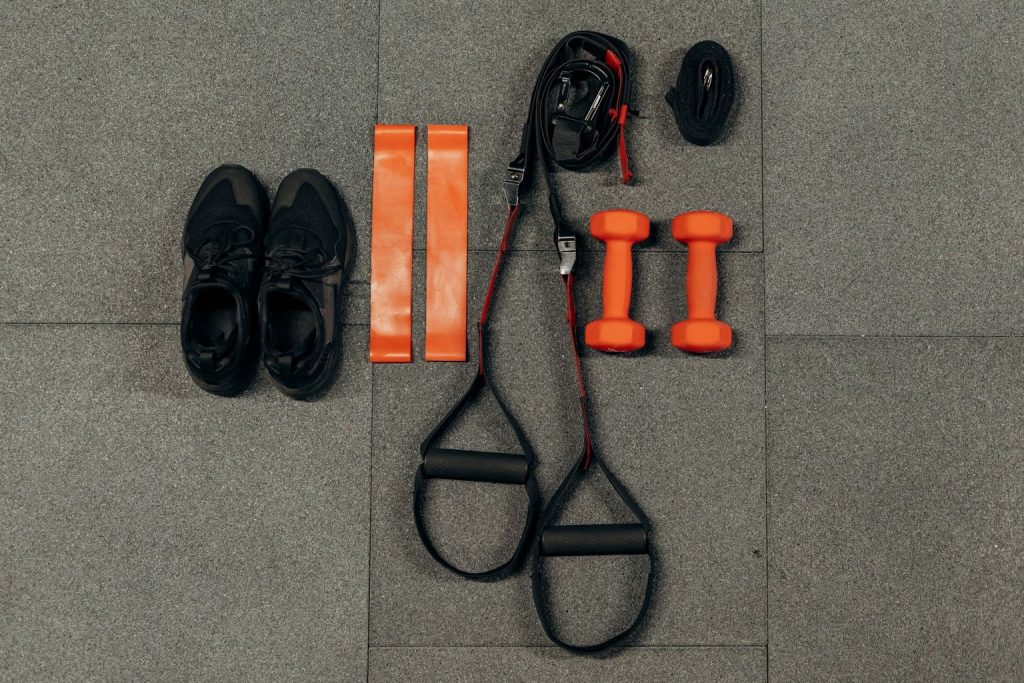
Add lateral band walks to your routine, placing a resistance band just above your knees and walking sideways for twenty steps in each direction. This strengthens the gluteus medius, a muscle that keeps your hips level when you plant one foot during a turn. Weak gluteus medius is a major contributor to ACL injuries because it allows the knee to drift inward under load. You will feel a burn in your outer hips by the end of the set, which is exactly what you want. Perform three sets before every other training day to build consistent strength.
Do not neglect your core, but avoid sit-ups and crunches that strain your neck. Instead, use planks, dead bugs, and Pallof presses to build rotational stability that transfers directly to shooting and passing. A strong core acts as a bridge between your upper and lower body, allowing you to absorb impact from challenges without throwing your shoulder out. Spend ten minutes on these exercises twice a week, holding each position for thirty to forty seconds with perfect form. This builds the endurance needed to stay stable deep into the second half.
Manage Training Load and Fatigue
Most injuries happen when players are tired, not at the start of a session. Track your weekly training volume by counting the number of high-intensity sprints and minutes of intense play you complete. If you increase this load by more than ten percent from one week to the next, your injury risk jumps sharply. Keep a simple log on your phone or a notebook, noting how many hard efforts you performed each day. When you see a spike in volume, schedule an extra rest day or reduce the intensity of your next session.
Listen to your body’s signals, especially persistent soreness in your hamstrings or calves that does not fade after twenty-four hours. This is a sign that your muscles are not recovering properly, and pushing through will likely lead to a tear. Take two days off from running if you feel this type of pain, and focus on light walking and gentle stretching instead. Ignoring early warning signs is the fastest way to end up with a season-ending injury. Trust that a few days of rest now saves you months of rehabilitation later.
Sleep is your most powerful recovery tool, yet many players sacrifice it for social life or late-night gaming. Aim for seven to nine hours of quality sleep per night, as this is when your body repairs muscle tissue and regulates hormones that control inflammation. Create a consistent bedtime routine, keeping screens off at least one hour before bed to boost melatonin production. Players who prioritize sleep report fewer muscle strains and faster recovery times after hard matches. Treat rest as part of your training plan, not as a reward for completing it.
Optimize Footwear and Surface Awareness
Your boots must match the playing surface to reduce the shear forces that tear ligaments during turns. Use firm-ground studs on dry, hard turf and softer ground studs on wet or muddy pitches to prevent your foot from sticking to the ground. Check your studs regularly, as worn-down tips create a flat platform that increases the risk of rolling your ankle. If you play on artificial grass, choose boots with shorter, conical studs that allow your foot to rotate freely under pressure.
Learn to adjust your technique based on the surface conditions rather than forcing the same movements everywhere. On slippery surfaces, shorten your stride and avoid planting your foot at a sharp angle during turns. Instead, use a smaller step to change direction, reducing the torque on your knees and ankles. This adjustment takes practice, so spend ten minutes in training on wet or uneven ground to build muscle memory. Players who ignore surface changes often injure themselves when the weather shifts unexpectedly during a match.
Inspect your playing field for hazards before every session, looking for loose stones, deep holes, or overly wet patches that can cause sudden stops. Communicate with your coach or team captain to mark dangerous areas and avoid them during drills. A well-maintained pitch is a silent injury prevention tool that works even when you are not thinking about it. If the field is in poor condition, consider modifying your drills to reduce high-speed running until conditions improve. Your safety should always outweigh the desire to complete a full-intensity session.
Integrate Mental Focus and Reaction Drills
Injuries often occur when players lose concentration during fatigue, leading to late challenges or mistimed tackles. Practice reaction drills that force you to respond to visual cues, such as sprinting to a cone only when your coach shows a specific colored card. These exercises train your brain to stay alert and make quick decisions without overcommitting your body into dangerous positions. Spend five minutes at the end of each session on these cognitive tasks, keeping the intensity high but the duration short.
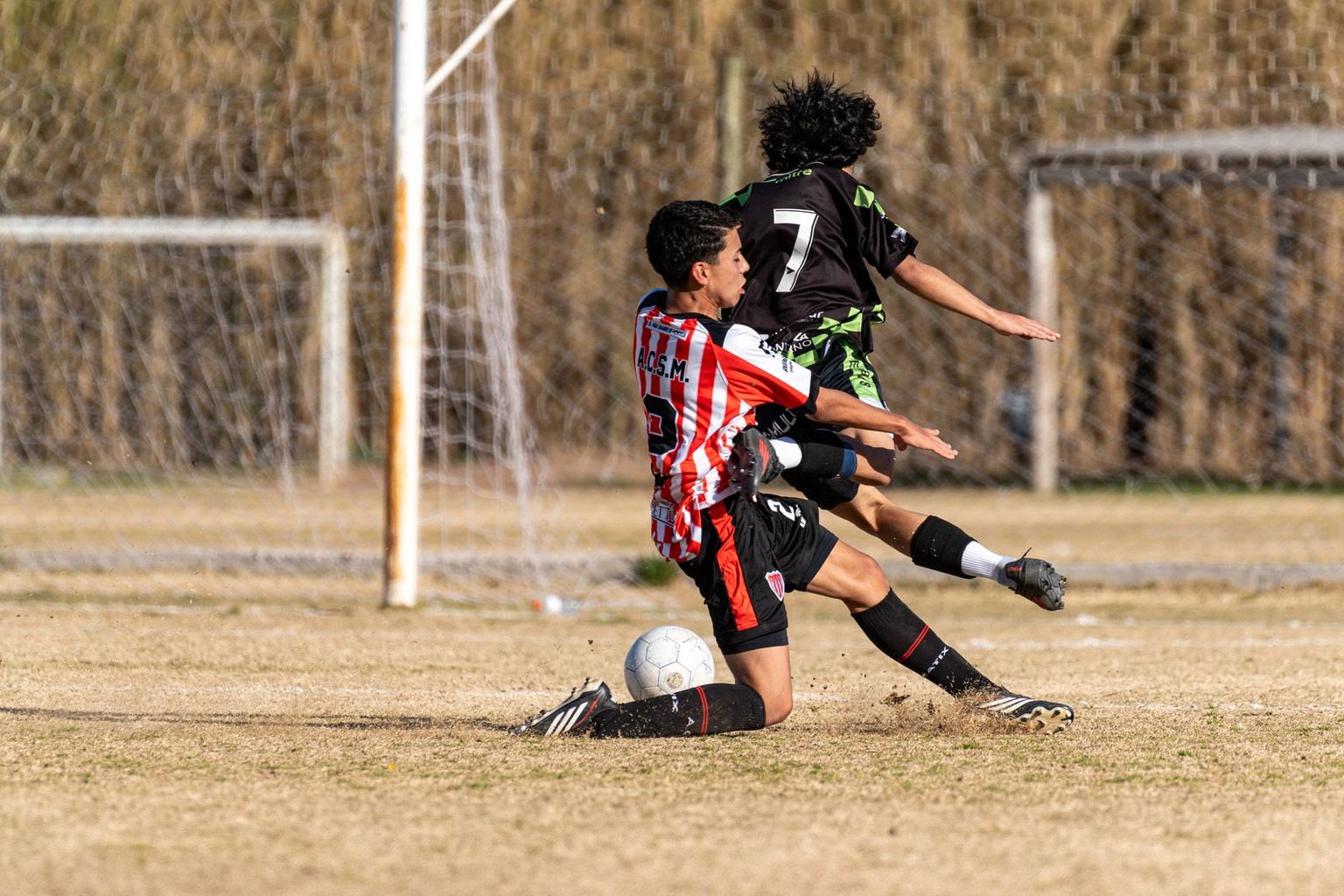
Work on your peripheral vision during ball control drills, keeping your head up while dribbling through a narrow corridor of cones. This habit reduces collisions with teammates and opponents by helping you see where others are moving before they arrive. Many injuries happen because players are looking at their feet instead of the field, leaving them blind to incoming challenges. Drill this awareness until it becomes automatic, so you can navigate crowded spaces safely under pressure.
Mental fatigue is as real as physical fatigue and can degrade your decision-making by the second half. Take a deep breath and reset your focus during breaks in play, using a simple cue word like “steady” to bring your attention back to the present moment. This technique helps you maintain sharp reflexes even when your legs feel heavy. Players who train their mental resilience alongside their physical bodies stay safer for longer periods of continuous play.
Track Progress and Adjust Your Routine
Review your injury prevention routine every four weeks to see what is working and what needs tweaking. Note any recurring soreness or stiffness in your log, and add extra focus to those areas during your warm-up. If a drill feels easy, increase the difficulty by adding weight, speed, or complexity rather than abandoning it. This progressive overload ensures your muscles keep adapting to the demands of soccer without plateauing.
Compare your performance metrics over time, such as your single-leg squat stability or ankle mobility score, to measure improvement. You should see measurable gains in these areas within six to eight weeks of consistent work. If you are not seeing progress, check your form with a video review or consult a qualified trainer for feedback. Stagnation is a sign that your routine has become too predictable for your body to adapt further.
Stay flexible with your plan, adjusting it based on the season’s demands and your personal health. During heavy match schedules, prioritize recovery and reduce high-volume strength work to avoid burnout. In the off-season, you can focus more on building raw strength and mobility without the pressure of immediate performance. The goal is to create a sustainable system that keeps you healthy for years, not just for one short tournament.

I’ve been kicking a ball around since I could walk, and the strategy behind the beautiful game never stops fascinating me. I love breaking down match tactics and sharing the stories of players who make football unforgettable.