The centre role in modern football demands a blend of technical finesse and tactical intelligence that separates good forwards from great ones. Positioning off the ball is the foundation, but the ability to create space through intelligent movement is what truly defines a master. A forward must read the game like a chess match, anticipating where the defence will shift before it happens. This anticipation allows the centre to drop deep, pull markers out of position, or make the decisive run into the box. Without this spatial awareness, even the most talented striker will find their opportunities cut off by organized defences. The modern centre forward is a chameleon, adapting their role game by game, whether it’s a lone nine or part of a front three.
The Art of Movement Without the Ball
Movement without the ball is the silent language of the elite centre forward, and mastering it requires relentless practice and a high football IQ. It is not simply about sprinting fast; it is about the timing of the run, the angle of the approach, and the deception of the body shape. A well-timed diagonal run can pull a centre-back out of the defensive line, creating a gap for a teammate or a shooting lane for the runner. Conversely, a perfectly timed drop into the hole between the lines can drag a defensive midfielder out of position, opening up space behind for a through ball. The best forwards use their movement to manipulate the opposition’s shape, turning a compact defence into a disorganized mess. This constant motion forces defenders to make split-second decisions, often leading to errors that the centre can exploit.
One critical dimension of this movement is the ability to lose your marker through a variety of subtle techniques. The dummy run, for instance, involves starting a movement in one direction and then abruptly stopping or changing course, leaving the defender guessing. Another effective method is the shoulder drop, where a slight dip of the shoulder can invite a challenge, allowing the forward to spin past the marker. These micro-movements might seem insignificant, but over the course of a 90-minute match, they accumulate to create the decisive half-yard of space. A centre forward who can consistently beat their marker without the ball is a nightmare for any defence, as they are always a passing option and a goal threat. The ability to turn and face the goal in tight spaces is also a vital component of this movement repertoire.
Technical Proficiency in the Final Third
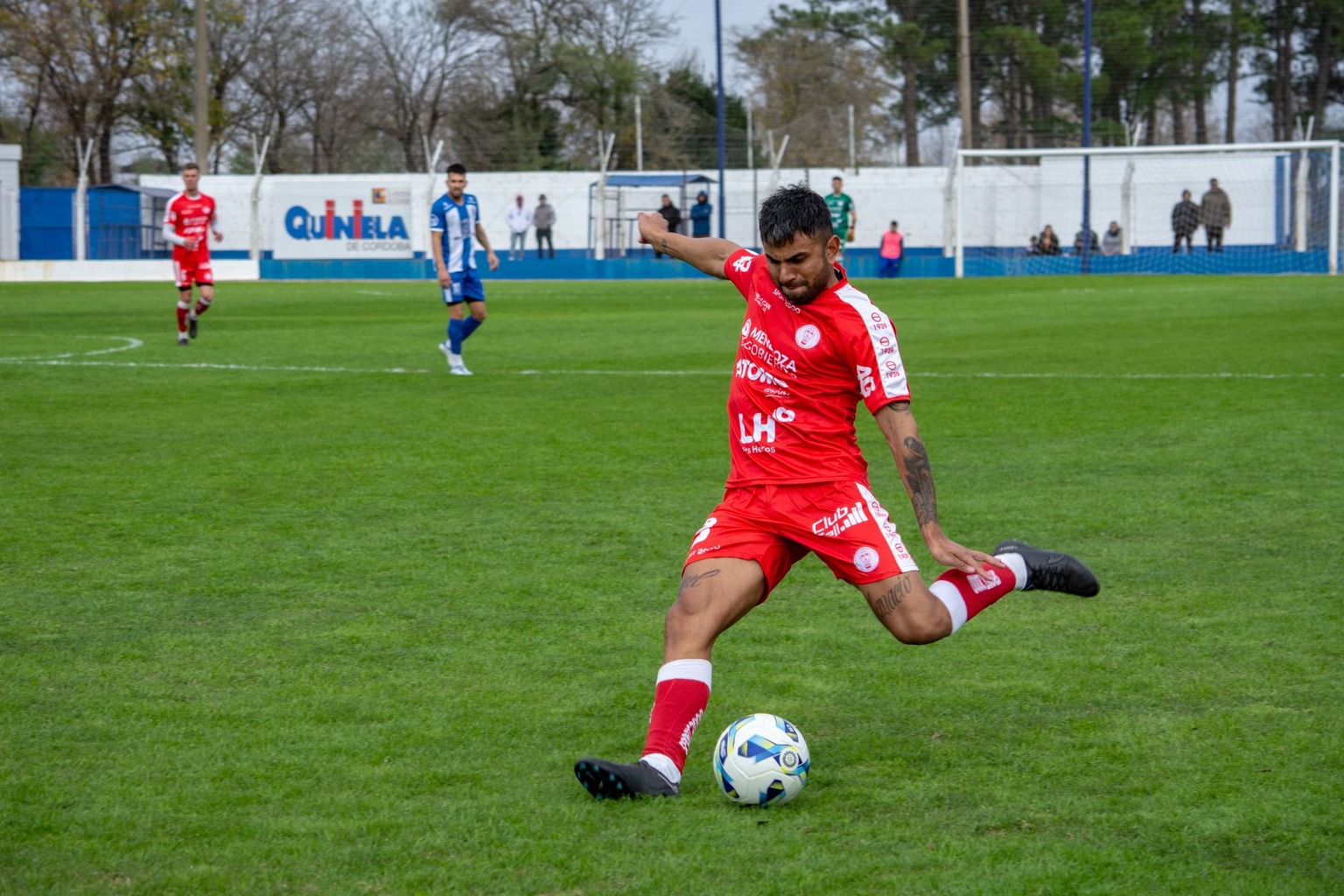
While movement creates the space, technical proficiency in the final third is what converts that space into goals and assists. A master centre forward must possess a diverse finishing repertoire, capable of scoring with both feet and the head. Close control inside the penalty area is essential, as defenders will often close down space rapidly. The ability to cushion a bouncing ball or control a lofted pass on the half-turn gives the attacker the precious seconds needed to pick their spot. Furthermore, composure under pressure is a hallmark of the greats; remaining calm when one-on-one with the goalkeeper versus panicking and firing wide is the difference between a goal and a missed chance. The modern game also demands proficiency with the weaker foot, as defenders will force attackers onto their less dominant side to limit their options.
Beyond finishing, the link-up play skills are equally vital for a centre operating in a system that relies on combination play. One-touch passing, quick lay-offs, and precise weighted through-balls are the tools that unlock stubborn defences. A forward who can flick a header on to a running midfielder or lay the ball off with the outside of the foot adds a layer of unpredictability to the attack. These technical nuances might not always make the highlight reel, but they are the gears that keep the offensive machine running smoothly. When a centre forward can seamlessly transition from receiving the ball to distributing it, they become the pivot around which the entire team’s attacking play revolves. This versatility makes them indispensable to the coach’s tactical plans.
Physicality and Aerial Dominance
The physical profile of a top-class centre forward has evolved, but strength and aerial prowess remain non-negotiable assets in the arsenal. Winning headers is not just about height; it is about timing the jump, positioning the body correctly, and using strength to shield off opponents in the air. A forward who dominates the aerial battles provides a direct route to goal from goal kicks and long balls, relieving pressure on the defence. This dominance also extends to shielding the ball with the back to goal, using the body as a barrier to protect possession while waiting for support. In tight spaces, the ability to hold off a defender while turning is a physical skill that separates the strong from the soft.
On the Footy Tactics channel they explain striker positioning—watch the video right here.
However, physicality is not solely about bulk; it is about functional strength and agility. A centre forward must be explosive over short distances to beat defenders to loose balls and accelerate past a static marker. The ability to change direction quickly while maintaining balance is crucial for those intricate turns in the box. Furthermore, endurance plays a silent role; a forward who fades in the final twenty minutes loses their effectiveness and the team’s tactical balance. Training regimens for the modern centre thus combine weight room work for power with plyometrics for explosiveness and on-field drills for agility. This holistic approach to physical development ensures that the centre can impose their will on the game for the full duration.
Tactical Awareness and Role Flexibility
Tactical awareness is the glue that binds technical skill and physical ability into a cohesive unit, and it is the dimension that often goes unnoticed by the casual observer. A master centre forward understands the team’s tactical blueprint and knows exactly where they fit into it, whether playing as a solitary striker or part of a front two or three. They know when to press high up the pitch to suffocate the opposition’s build-up and when to drop deep to facilitate play from deeper positions. This situational intelligence allows them to anticipate the coach’s tactical adjustments and adapt instantly. A forward who can fluidly shift between being a target man and a mobile poacher provides the manager with tactical flexibility that is hard to game-plan against.
This role flexibility also extends to understanding the opponent’s defensive weaknesses and exploiting them ruthlessly. Against a high defensive line, the centre might focus on timing the offside trap and making decisive runs in behind. Against a low block, the focus shifts to patience, picking up second balls, and finding pockets of space between the lines. The ability to read the game and adjust one’s game plan on the fly is what separates thinking players from robots. Moreover, a centre forward’s work rate off the ball, tracking back to help the full-backs or pressing the centre-backs, is a tactical duty that contributes to the team’s overall structure. This selfless aspect of the role is often what makes a favourite amongst coaches and teammates alike.
Mental Resilience and Game Management
The mental side of playing centre forward is perhaps the most demanding aspect, as the position carries the weight of expectation and the scrutiny of every missed chance. A master must possess an short memory, able to shrug off a missed penalty or a missed gilt-edged opportunity and immediately focus on the next phase of play. Dwelling on mistakes leads to a loss of confidence, which can manifest in tentative play and a further drop in performance levels. The ability to reset mentally between attacks is crucial, and many top forwards use routines or breathing techniques to maintain focus. This psychological fortitude ensures that the player remains a threat throughout the ninety minutes, regardless of the scoreline.

Game management is another subtle art that the elite centre forwards master over their careers. Knowing when to drop deep to involve teammates and when to stay high and hunt for the killer ball is a sign of experience. Managing the game also involves understanding the referee’s tendencies and adjusting the physicality of the battles accordingly. A seasoned centre knows how to win the fouls that matter and avoid the bookings that could jeopardize the team. Furthermore, leadership from the front is a natural byproduct of this mental strength; by setting the tempo and demanding the ball, the forward inspires the rest of the attacking unit. This intangible quality of leadership, combined with raw skill, makes the complete centre forward a force of nature.

I’ve been kicking a ball around since I could walk, and the strategy behind the beautiful game never stops fascinating me. I love breaking down match tactics and sharing the stories of players who make football unforgettable.