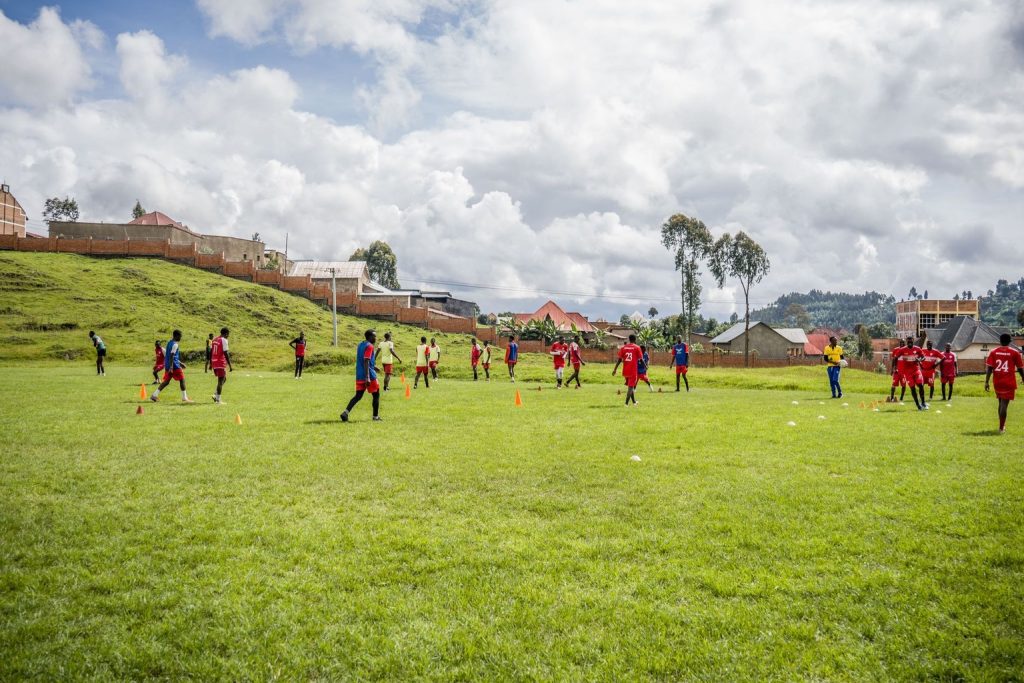
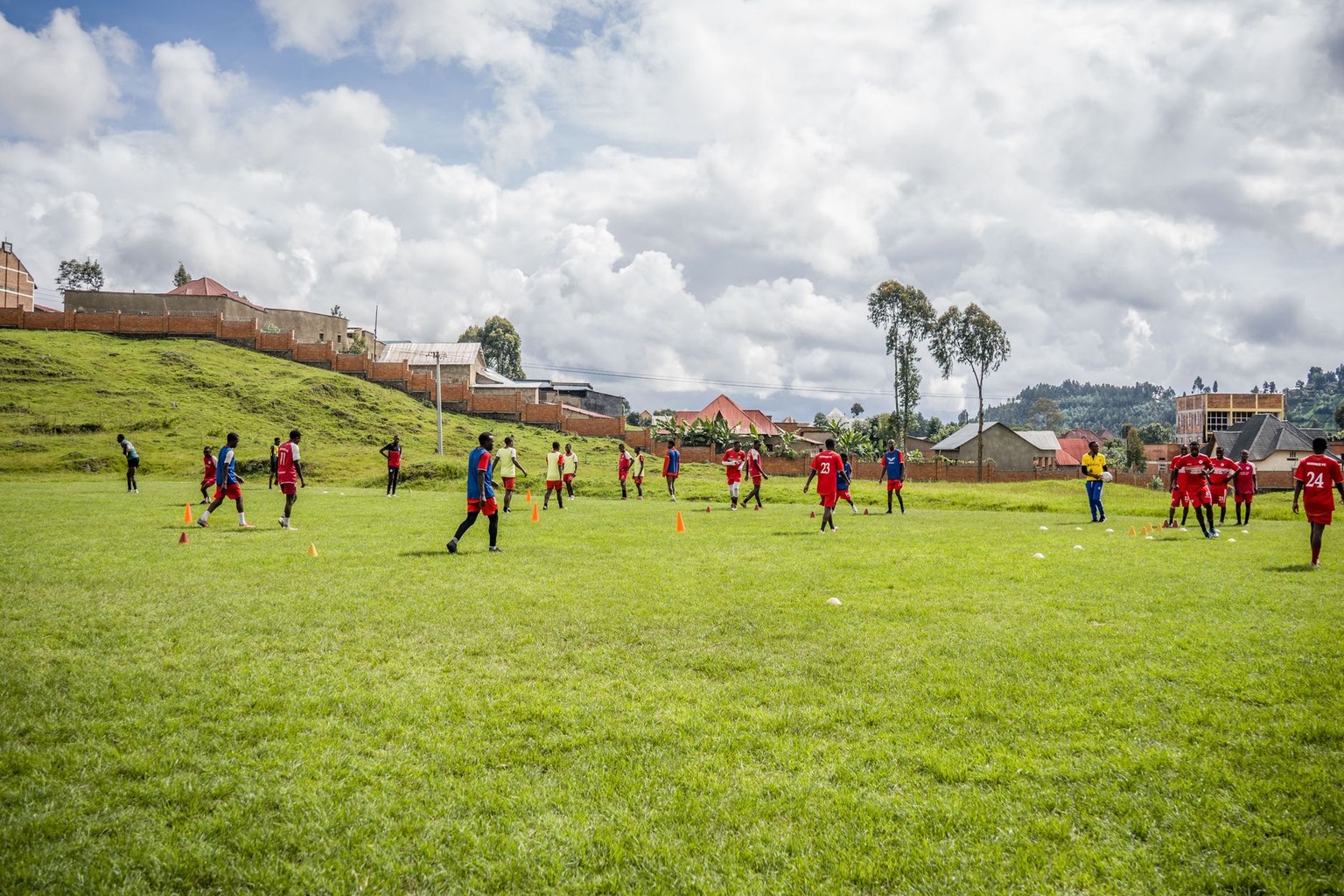
Elite soccer decision making separates good players from match winners when the clock ticks toward ninety minutes and the scoreline hangs by a thread. A midfielder scanning the pitch at Anfield processes visual data at speeds that laboratory tests struggle to replicate, yet the underlying mechanics can be trained systematically. Research from Frontiers highlights that peripheral awareness acts as a force multiplier, allowing athletes to execute one touch passes while tracking defender movements in the blind spot. Coaches who ignore this cognitive layer end up drilling technique in isolation, producing players who look sharp in cones but freeze under real defensive pressure. The following breakdown compares distinct dimensions of choice architecture on the field, showing where each approach shines and where it cracks.
Peripheral Scanning Versus Central Focus Under Duress
Peripheral scanning builds a mental map before the ball arrives, letting a center midfielder know the left back has tucked inside while the winger stays wide. Studies measuring gaze behavior show elite players fixate on teammates for less than one hundred milliseconds, then sweep the periphery to update threat positions. Central focus, by contrast, locks vision on the ball carrier and delays recognition of pressing triggers by up to three hundred milliseconds. In a high press scenario that gap equals the difference between a clean first touch and a turnover leading to a counterattack. Training drills that force head up receptions on half turns develop the scanning habit faster than static passing patterns ever could.
Coaches often overcorrect by demanding constant head movement, which creates a jittery rhythm and reduces pass accuracy on driven balls over thirty yards. A balanced protocol alternates three high intensity scanning rounds with two controlled possession sequences where players lock eyes on target zones. Data from youth academies in Spain indicates that U16 groups using this split improved forward pass completion by twelve percent over a single season. The key is teaching athletes when to widen the aperture and when to narrow it, not prescribing a universal gaze pattern for every phase of play.
Pre Oriented Body Shape Versus Reactive Adjustment
Pre oriented body shape means a striker opens hips toward the goal before a through ball is played, cutting the decision window from reception to shot by roughly four tenths of a second. Video analysis of Erling Haaland shows he adopts a half turned stance on ninety percent of vertical runs, allowing a one touch finish even when defenders recover. Reactive adjustment forces the player to receive, settle, rotate, and then decide, handing the defense precious time to close shooting angles. The tradeoff appears in aerial duels where a fully open posture compromises balance and makes the attacker vulnerable to shoulder challenges.
Training this dimension requires mannequin grids that simulate defensive lines at varying depths. Players practice checking shoulders at set intervals, then freezing in the optimal receiving angle for a coach to audit. A study from a Dutch academy found that U19 forwards who completed eight weeks of shape drills increased their shots on target from outside the box by eighteen percent. The caution is that over drilling static positions creates robots who struggle when the pass arrives behind them; variability in service angle must remain high throughout the progression.
Pattern Recognition Versus Improvisational Creativity
Pattern recognition leans on stored match templates, a fullback inverting, a midfielder dropping into the half space, a striker pinning the center back, so the brain retrieves a proven solution instead of computing from scratch. Analytics from the Bundesliga reveal that teams with high tactical continuity complete thirty percent more progressive passes per ninety minutes because players anticipate the third man run before it develops. Improvisational creativity shines when the opponent disrupts the script, such as an unexpected man to man assignment that nullifies the rehearsed rotation. The danger of pure pattern reliance is rigidity; a side that cannot deviate from the playbook becomes predictable against adaptive coaches.
On the Precision Play Coaching channel, they explain scanning and passing to improve decision-making under pressure, and you can watch it right here.
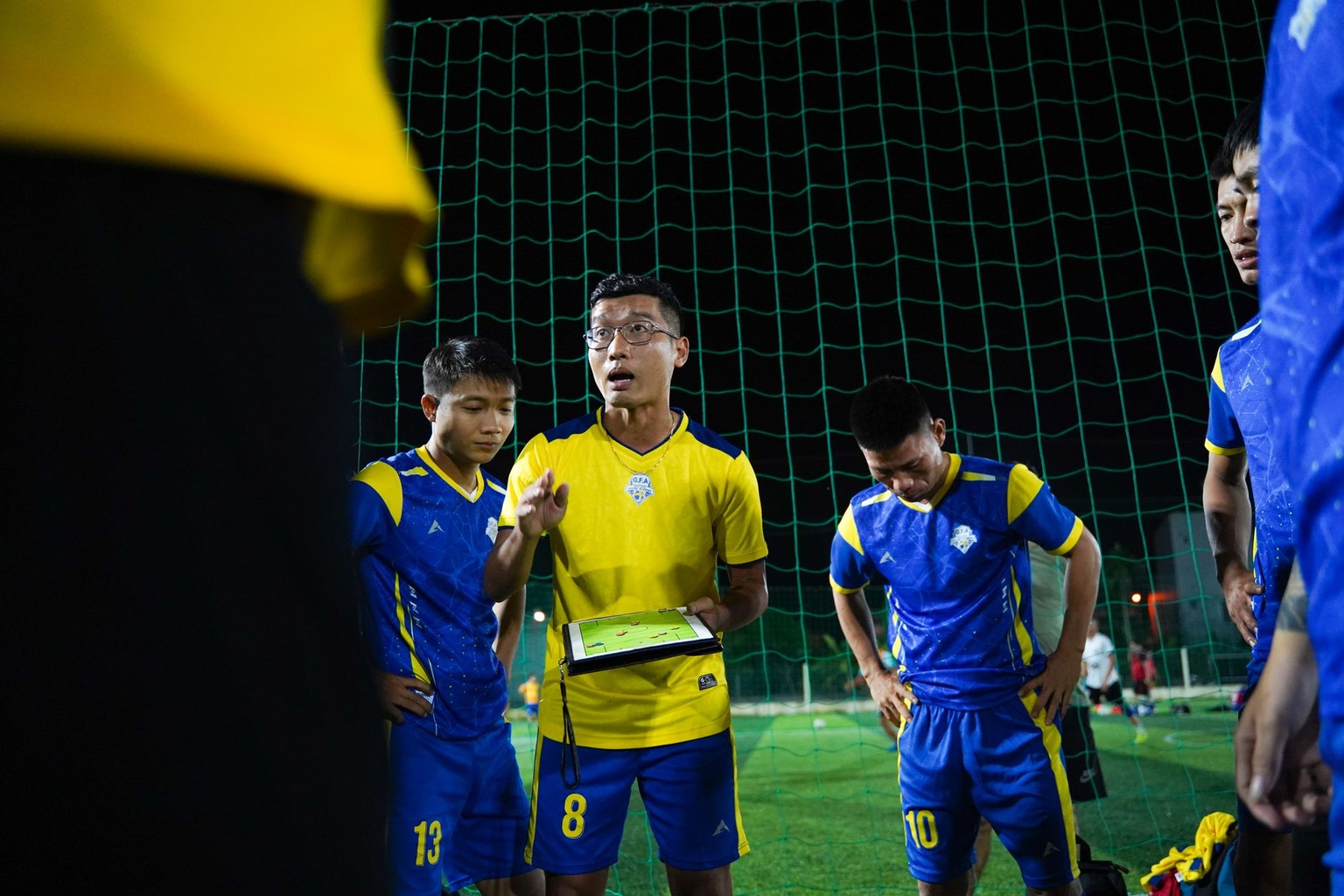
Effective session design blends scripted phase of play exercises with chaos games where constraints shift every ninety seconds. One week the rule might be two touch maximum, the next it flips to mandatory one touch in the final third. This oscillation forces the brain to toggle between retrieval mode and generation mode. A longitudinal study in Portugal tracked U17 squads using this dual approach and found their decision making speed, measured by time to first action after reception, improved by twenty two percent compared to a control group running only set patterns.
Risk Calibration in Final Third Versus Build Up Zones
Risk calibration changes drastically between the defensive third and the penalty area. A center back playing a square pass across the six yard box accepts near zero tolerance for error because interception leads directly to a goal. The same player thirty yards higher can attempt a line breaking diagonal with a fifteen percent turnover rate if the expected threat value of the resulting chance exceeds the concession probability. Expected threat models from Opta show that progressive carries into zone fourteen generate 0.04 xG per action while failed attempts cost 0.01 xG on average, creating a positive risk reward ratio that encourages aggression.
Coaches should embed this gradient into small sided games by assigning zone specific scoring rules. In a 7v7 on a shortened pitch, completions into the attacking third count double, but turnovers in the defensive third subtract three points. Players quickly internalize the calculus and begin self regulating pass selection without constant sideline instruction. A caveat emerges when fatigue sets in; late game decision making often regresses to conservative choices even in favorable zones. Conditioning blocks that replicate ninety minute cognitive load, such as three minute high intensity intervals followed by technical circuits, help maintain calibration under exhaustion.
Soccer Decision Making Under Simulated Pressure Versus Live Opposition
Simulated pressure using mannequins, shadow defenders, or time constraints isolates technical execution but strips away the psychological weight of a live tackle. Heart rate variability data shows that players facing real opponents experience cortisol spikes thirty percent higher than in scripted drills, altering risk perception and narrowing attentional focus. Virtual reality platforms attempt to bridge the gap by projecting 360 degree stadium environments with reactive avatars, yet they lack the physical consequence of a mistimed challenge. The most transferable training sits in the middle: opposed rondos with consequences, where a lost ball triggers an immediate transition sprint for the offending team.
Periodization of pressure exposure matters as much as the drill type. Early preseason favors high repetition low stakes scenarios to groove motor patterns. Mid season shifts toward high stakes low repetition games that mimic match intensity without accumulating fatigue. A Champions League club reported a fourteen percent reduction in unforced errors during knockout stages after adopting a six week pressure ladder that culminated in full sided matches with playoff implications for squad selection. The trap is maintaining peak pressure year round, which burns out the nervous system and degrades the very decision quality the drills aim to sharpen.
Cognitive Load Management Through Chunking Information
Chunking groups discrete data points into meaningful units, turning a chaotic defensive structure into three recognizable zones: press, intercept, cover. A holding midfielder who sees eleven individual opponents must process each separately, but one who identifies a 4-4-2 shifting to a 4-5-1 recognizes the trigger for a switch of play instantly. Neuroscience research using EEG headsets on youth internationals found that experts exhibit lower frontal spectral entropy during decision tasks, indicating more efficient neural routing. Novices show scattered activation patterns consistent with item by item processing.

Developing this skill starts in the video room. Analysts tag recurring opponent shapes, high press with inverted wingers, mid block with man assignments, low block with zonal coverage, and players rehearse the corresponding team response until it becomes a single cognitive chunk. On the pitch, coaches call “shape one” or “shape two” instead of listing individual assignments. A Brazilian federation pilot program reduced average decision time on transition moments from 1.8 seconds to 1.2 seconds after six months of chunk based vocabulary. The risk is oversimplification; if the opponent deviates slightly from the cataloged shape, the player may force a mismatched solution instead of reading the live picture.
Feedback Loops: Immediate Coach Input Versus Delayed Video Review
Immediate coach input corrects technique in real time but can create dependency, where players wait for instruction instead of self evaluating. A study comparing U15 groups found that those receiving constant sideline cues during games improved drill performance by nine percent but showed no gain in unsupervised scrimmage decision making. Delayed video review, conducted twenty four hours post match, forces the athlete to reconstruct the scenario, articulate the reasoning, and compare it against the outcome. This retrieval practice strengthens the neural pathway more effectively than passive correction.
The optimal blend uses immediate cues for safety issues, dangerous tackles, offside line discipline, and reserves tactical feedback for the review session. Players receive a clipped playlist of their five most impactful decisions, both positive and negative, with a prompt to annotate their thought process. Over a season this builds a personal decision journal that reveals patterns, such as consistently forcing passes to the left foot under pressure. One MLS academy reported that players who maintained the journal for eight months increased their progressive pass accuracy by eleven percent while their peers without the tool plateaued. The discipline required to sustain the habit separates professionals from talented amateurs who rely solely on instinct.

I’ve been kicking a ball around since I could walk, and the strategy behind the beautiful game never stops fascinating me. I love breaking down match tactics and sharing the stories of players who make football unforgettable.