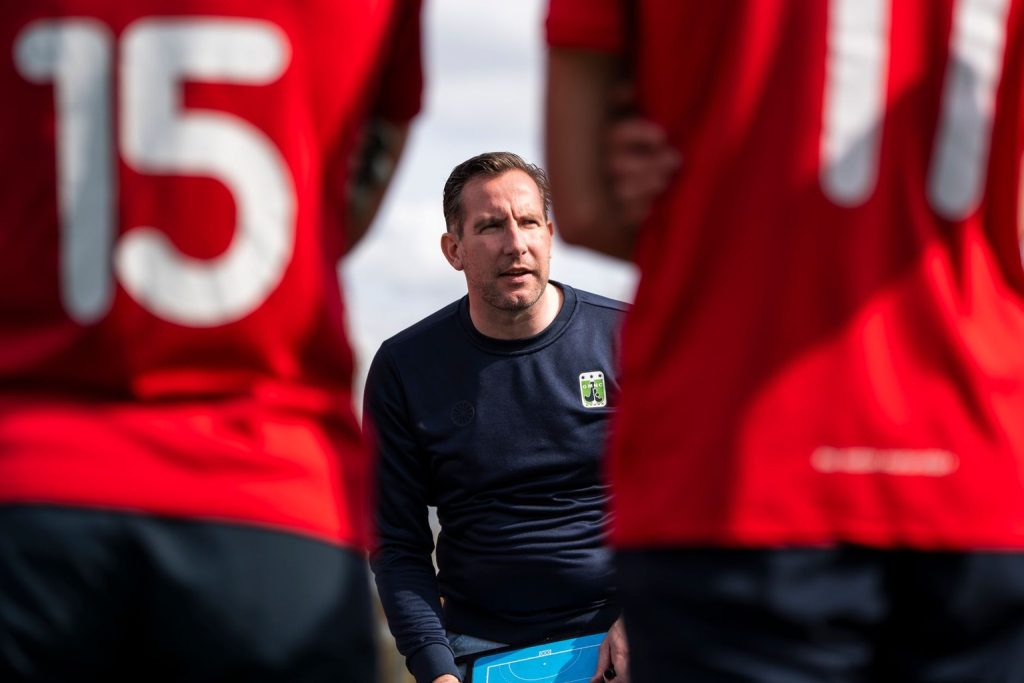
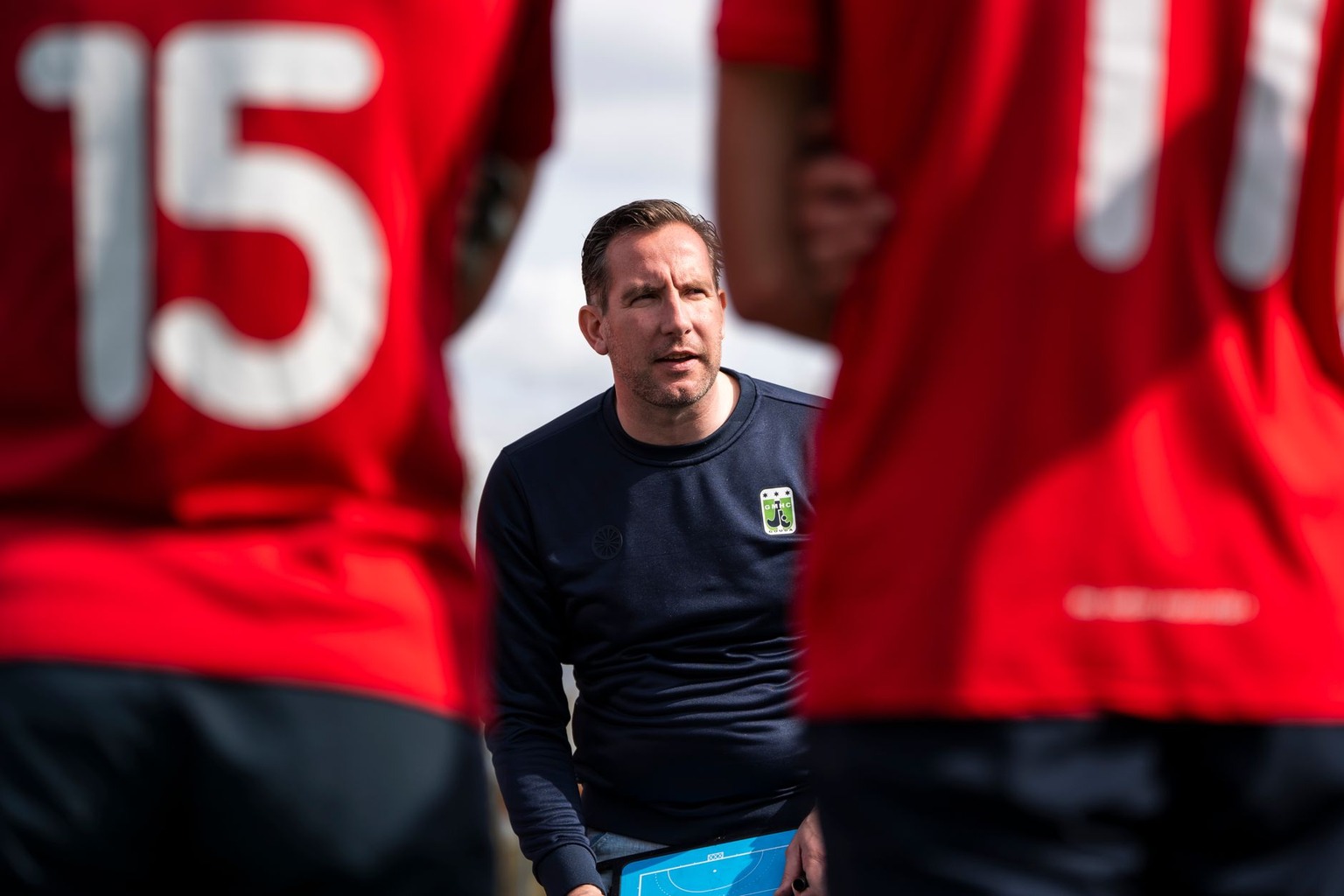
Every successful program starts with a clear game model soccer framework that translates abstract philosophy into repeatable actions on the pitch. Coaches who skip this step often end up with a collection of talented individuals who cannot solve problems collectively when the match tempo shifts. A well-defined structure gives players a shared language so they recognize triggers for pressing, dropping, or counterattacking without waiting for a sideline instruction. When the U.S. men’s national team topped Mexico in a friendly at State Farm Stadium, the visitors struggled to disrupt a compact midfield block that had been drilled for months. That result was not a moment of inspiration but the visible output of a system that values positional discipline over individual flair.
Defining the Tactical DNA
The tactical DNA of a club is the set of non-negotiable principles that remain constant regardless of opponent or scoreline. Some organizations prioritize high pressing with a 4-3-3 that morphs into a 3-4-3 when the ball enters the final third while others build from a low block that invites pressure before striking in transition. These choices dictate recruitment profiles because a center-back comfortable playing out from the back has a different skill set than one who excels at aerial duels in a deep defensive line. When St. Louis CITY SC entered the league, their front office identified athletes who could sustain high-intensity runs for ninety minutes rather than technicians who thrive in slower positional games. That clarity allowed the expansion side to compete immediately against established rosters with larger payrolls.
Consistency in messaging from the academy to the first team reinforces the DNA so that a promoted teenager already understands the pressing triggers and passing angles expected at the senior level. If the youth teams play a possession-heavy 4-2-3-1 while the first team relies on direct counterattacks, the developmental pathway breaks and the club wastes resources retraining players. Spain’s federation solved this by mandating a unified playing style across all age groups decades ago, ensuring that a La Masia graduate fits seamlessly into the senior setup. The result is a pipeline where tactical understanding compounds year after year instead of resetting with each coaching change.
Translating Principles into Training Design
Training sessions must mirror the chaos of match situations rather than isolate techniques in sterile drills. A rondo that forces players to scan before receiving builds the cognitive speed required to execute a one-touch passing sequence under pressure. Coaches who allocate seventy percent of session time to opposed, game-realistic scenarios see faster transfer to weekend performance than those who rely on unopposed pattern play. The Spanish methodology emphasizes small-sided games with specific constraints such as limiting touches or mandating a forward pass within three seconds to accelerate decision-making.
Periodization aligns physical loads with tactical objectives so that players peak for the most demanding phases of the season. A high-pressing system requires explosive sprints in the first half and sustained intensity after the break, so conditioning blocks replicate those exact demands rather than generic long-distance runs. Data from GPS trackers informs the coaching staff when a player’s high-speed distance drops below the threshold needed to execute the press, triggering an individualized recovery plan. This marriage of sports science and tactical planning prevents the late-season drop-off that derails many ambitious projects.
Recruitment Aligned with Systemic Needs
Scouting departments that filter candidates through the lens of the game model avoid the trap of signing a star who disrupts the collective balance. A winger who thrives cutting inside onto his strong foot may look impressive in highlights but could clog central lanes needed for a midfielder’s late runs into the box. St. Louis CITY’s recruitment team targeted profiles with high pressing metrics and transitional speed, knowing their system creates scoring chances through turnovers rather than patient buildup. The data showed that forwards who averaged more than fifteen pressures per ninety minutes correlated strongly with the club’s expected goals output.
On the England Football Learning channel, they cover building attacking plays in a practical session you can watch right here.

Cultural fit extends beyond personality tests into tactical intelligence and adaptability. Players who have operated in multiple formations demonstrate the cognitive flexibility to adjust when the coach tweaks the shape for a specific opponent. During the 2023 campaign, the expansion side rotated between a 4-3-3 and a 3-4-2-1 without losing structural coherence because the squad understood the underlying principles of space occupation. Versatile athletes reduce the need for panic buys in the transfer window and allow the coach to manage minutes across a congested schedule.
Leadership and Cultural Reinforcement
The locker room enforces the game model when the coach is not on the training ground. Senior players who model the required work rate and tactical discipline set the standard for younger teammates more effectively than any video session. When a veteran forward tracks back to fill a vacated wide channel, the message that defensive responsibility belongs to everyone becomes tangible. Spain’s golden generation benefited from a core of leaders who had internalized the national philosophy at club level, creating a self-policing environment where deviation from the system was corrected by peers before it reached the staff.
Narrative building through media and community engagement turns the tactical identity into a brand that fans recognize and players take pride in representing. St. Louis embraced a high-octane, attack-first narrative that resonated with a city hungry for a winner, filling the stadium and creating a home-field advantage that amplified the press. When supporters chant for the press rather than applauding a string of safe passes, the external pressure reinforces the internal mandate. That symbiosis between stands and pitch transforms a strategic choice into an emotional commitment that sustains performance through inevitable slumps.
Adaptability Within a Fixed Framework
A rigid system breaks against opponents who study its patterns and exploit predictable movements. The best game models contain built-in variability such as asymmetric full-back positioning or a midfielder who drops between center-backs to create a back three in possession. These adjustments preserve the core principles of space control and numerical superiority while presenting a different puzzle each week. Spain’s recent tournament runs showcased a team that could dominate possession against low blocks yet switch to rapid transitions when facing high-pressing opponents, all without abandoning their positional play DNA.
In-game management relies on the players’ ability to recognize cues and execute pre-rehearsed solutions without waiting for a stoppage. A side that practices “plan B” scenarios during the week, such as shifting to a 4-4-2 mid-block when protecting a lead, can implement the change organically through on-field communication. The U.S. squad demonstrated this against Mexico when they absorbed early pressure, then shifted the pressing trigger higher up the field after the half-hour mark, forcing errors that led to scoring chances. That fluidity is the hallmark of a model that has been internalized rather than memorized.
Measuring Effectiveness Through Objective Metrics
Subjective eye-test evaluations are supplemented by key performance indicators that map directly to the game model’s objectives. A pressing-oriented team tracks PPDA (passes allowed per defensive action) and high-turnover recovery rates to quantify whether the forward line is disrupting the opponent’s build-up as designed. Possession-based sides monitor progressive passes per ninety minutes and entries into the final third to ensure control translates into territory. St. Louis CITY’s analytics department set target thresholds for each metric at the start of the season, allowing the coaching staff to diagnose tactical drift before it appears in the win-loss column.
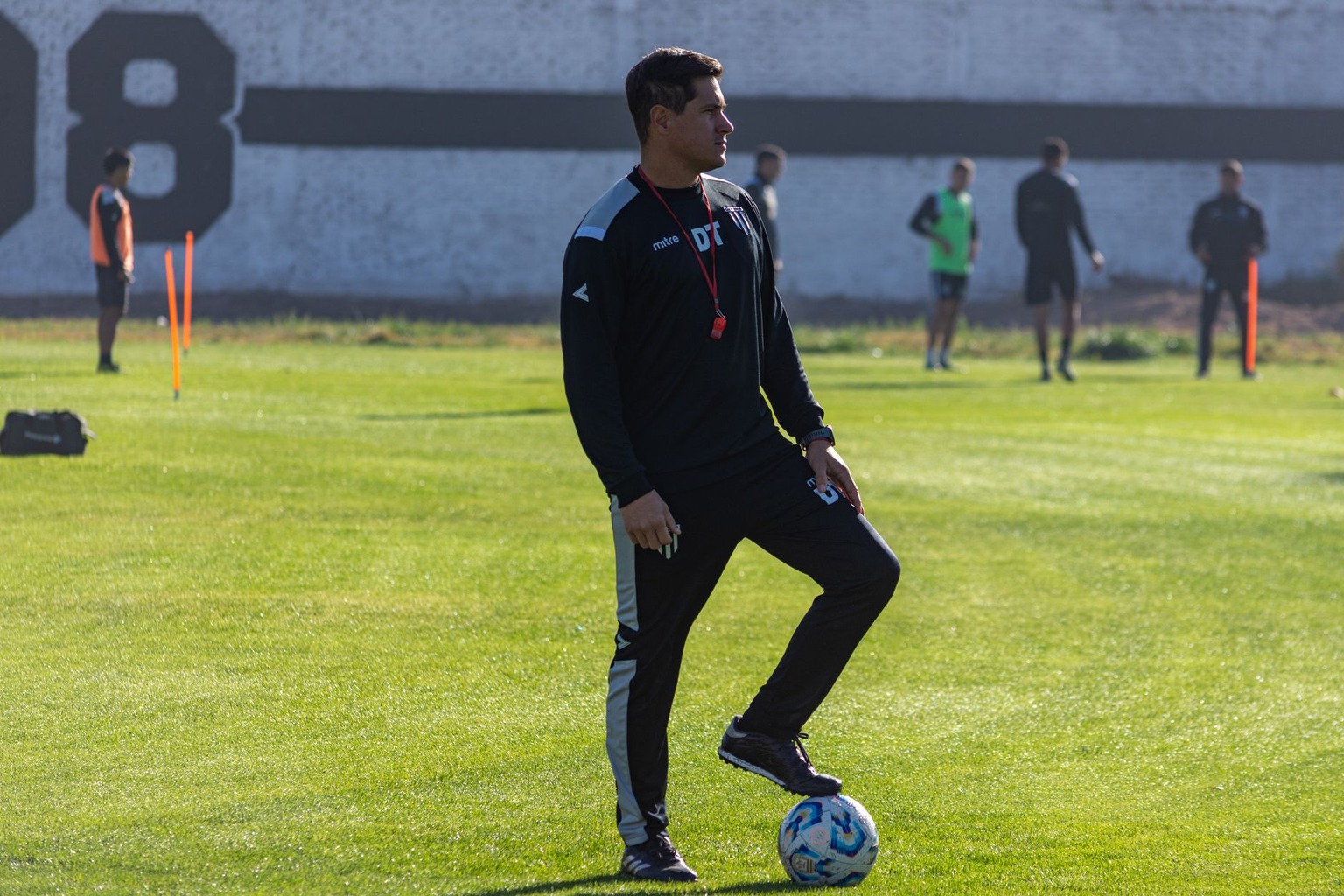
Video review sessions focus on decision-making quality rather than outcome alone. A forward who makes the correct run but receives a poor pass is reinforced, while a player who scores from a low-percentage shot outside the model is corrected to prevent bad habits. This process-oriented feedback loop builds trust because players understand that adherence to the system is valued over lucky moments. Over a thirty-four-match season, the accumulation of correct decisions compounds into a statistical advantage that outperforms raw talent variance.
Sustaining Identity Across Coaching Transitions
The ultimate test of a game model is its survival when the architect departs. Clubs that codify their philosophy in a living document, detailing principles, preferred profiles, and developmental benchmarks, protect the identity from the whims of a new appointment. When a head coach leaves, the sporting director can hire a successor who aligns with the existing framework rather than overhauling the squad to fit a different vision. Spanish clubs like Athletic Bilbao have maintained a distinct playing style for decades despite multiple managerial changes because the institutional memory resides in the methodology department, not a single individual.
Succession planning extends to the coaching pipeline where assistant coaches and academy directors are groomed to understand the model at a granular level. Promoting from within ensures continuity of language, drill design, and cultural norms. The federation approach in Spain produces coaches who have taught the same rondo progressions and positional games for years, creating a talent pool of tacticians who speak the same dialect. That depth allows the national team to transition seamlessly between cycles while rivals scramble to rebuild chemistry every four years.

I’ve been kicking a ball around since I could walk, and the strategy behind the beautiful game never stops fascinating me. I love breaking down match tactics and sharing the stories of players who make football unforgettable.