How Weather Affects Soccer Game Play
Weather conditions have a significant impact on soccer gameplay, influencing not only the pace and style of the match but also the strategies teams adopt. Understanding how weather affects soccer game play helps players and coaches adjust their tactics to maintain optimal match performance under varying environmental circumstances.
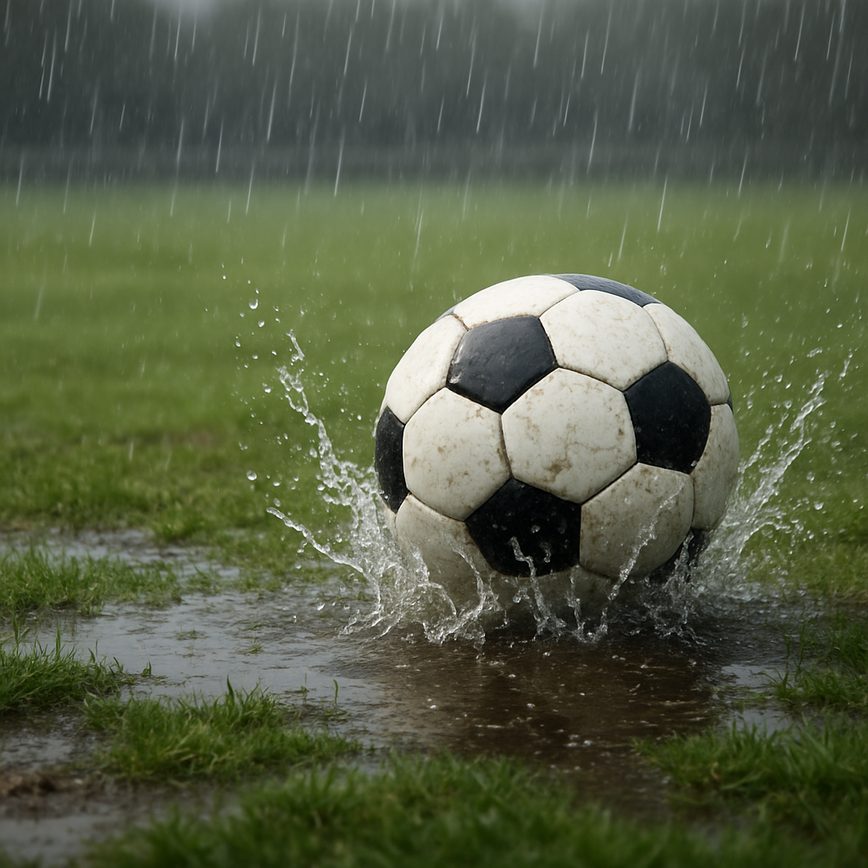
Rain is one of the most common weather elements affecting soccer. A wet field can slow down the ball, making precise passes more difficult and increasing the likelihood of slips and mistakes. Players may need to adjust their approach by shortening passes and focusing on controlled dribbling to reduce turnovers. Defenders also need to be more careful with tackles, as wet surfaces can increase injury risk. Teams might prioritize possession and conservative play to avoid risky plays on slippery ground.
Wind is another critical factor in soccer gameplay. Strong winds can alter the ball’s trajectory, making long passes and shots harder to predict and control. Goalkeepers face additional challenges with gusts affecting the ball’s flight. In windy conditions, teams often adapt by focusing on ground passes rather than aerial balls. Strategies might shift to emphasize maintaining close control and quick, short passes to counteract the unpredictable movement caused by wind.
Heat impacts soccer match performance by taxing players’ endurance and hydration levels. High temperatures can lead to faster fatigue, negatively affecting speed, reaction times, and decision-making. Coaches often adjust soccer gameplay by incorporating more substitutions and encouraging players to pace themselves more carefully. Teams might also slow the tempo of the game to conserve energy, making tactical breaks and managing player workload essential under hot conditions.
Cold weather brings its own set of challenges. Low temperatures can stiffen muscles and reduce flexibility, increasing the risk of injury. Players may also struggle with maintaining high energy levels and controlling the ball with numb feet or fingers. Strategies in cold weather often involve more dynamic warm-ups and frequent breaks to keep muscles loose. In terms of gameplay, teams might aim to keep the ball moving quickly to prevent the game from becoming stagnant due to cold-related sluggishness.
In summary, varying weather conditions such as rain, wind, heat, and cold significantly affect soccer gameplay. Each type of weather demands specific tactical adjustments to maintain competitive match performance. Teams that recognize and adapt to these weather impacts can leverage environmental factors to their advantage, ultimately influencing the outcome of the game.
Effects of Rain and Wet Conditions
Rain and wet field conditions present significant challenges in soccer, affecting both the gameplay and player safety. When rain saturates the field, the ball’s behavior becomes unpredictable—causing slips, slower rolls, or unexpected bounces. This unpredictable ball control requires players to adapt quickly, often making it difficult to execute precise passes and shots. As a result, strategies may need alteration to accommodate these challenges during a match.
Wet weather impact also drastically influences player footing. The softened turf reduces traction, increasing the likelihood of players slipping or losing balance during quick turns and sprints. This unstable footing not only affects performance but heightens the risk of injuries. Common injuries under these conditions include muscle strains, ligament sprains, and falls that can lead to bruises or more severe trauma. Coaches and players must therefore be mindful of these risks and take preventive measures, such as using appropriate footwear designed for wet soccer fields.
Additionally, wet and muddy fields can become uneven and slippery, further complicating safe movement and ball handling. These conditions challenge the traditional rhythm of the game and demand heightened awareness and adaptability from every player involved. Proper field maintenance and timely weather assessments are crucial to minimize these risks and ensure the safety and quality of play during rainy matches.
Influence of Wind on Match Strategy
Wind effect is a critical factor that soccer teams must consider when devising their soccer strategy. The direction and speed of the wind can significantly impact passing accuracy, as a strong gust can alter the ball’s intended path mid-air, making it difficult for players to predict and control passes. Players often need to adjust the force and angle of their passes to counteract wind disruptions, ensuring the ball reaches its target despite the challenging conditions.
Moreover, wind plays a significant role in changing the ball’s trajectory. A fast-moving ball against the wind will slow down rapidly, while a ball kicked with the wind gains speed and distance, affecting long passes and shots on goal. Goalkeepers also face challenges as the unpredictable trajectory can lead to misjudged catches or saves. Teams must be adaptable, altering their usual patterns to maintain effectiveness during windy matches.
From a tactical perspective, coaches often use the wind effect to their advantage by encouraging longer passes or shots when playing with the wind, while emphasizing short, controlled play against it to maintain possession and reduce errors. Weather disruptions like wind force teams to adjust their formation and movement to optimize ball control and minimize risk. In sum, understanding and adapting to wind conditions is essential in shaping effective soccer strategy and managing game dynamics.
Player Performance and Safety in Different Weather
Extreme temperatures and varying weather conditions play a critical role in shaping player performance and ensuring player safety on the soccer field. Heat effects, cold weather soccer, and other environmental factors can significantly impact endurance, health risks, and overall effectiveness during play.
In hot and humid conditions, player safety becomes a primary concern as the risk of heat-related illnesses such as heat exhaustion, heat stroke, and dehydration increases. Excessive heat strains the body, causing an accelerated heart rate and increased sweating, which can lead to electrolyte imbalances and impaired cognitive function. Consequently, a player’s endurance can decline sharply, limiting their ability to sustain high-intensity efforts throughout the match.
Coaches and medical staff must monitor players closely in these conditions, ensuring adequate hydration and providing rest breaks when possible to prevent severe health risks. Additionally, adaptations such as lighter clothing and altered training schedules can help mitigate the heat effects that challenge both amateur and professional players alike.
Conversely, cold weather soccer presents a different set of challenges. Low temperatures can cause muscles to tighten and stiffen, increasing the likelihood of strains and injuries. Reduced blood flow to extremities and the risk of hypothermia demand appropriate clothing and warm-up routines to maintain player safety and mobility.
Cold weather can also influence performance impact by affecting stamina and reaction times. Players might experience slower muscle responses, decreased agility, and overall reduced endurance. However, some athletes may perform better in cooler temperatures as their bodies are less prone to overheating, allowing for sustained physical exertion without the detrimental heat stress.
Furthermore, weather conditions such as rain, wind, and snow add complexity by altering the playing surface and ball behavior, requiring heightened awareness and adaptation from players to minimize safety risks while striving to maintain peak performance.
In summary, understanding the multifaceted impact of weather on player safety and performance is essential. Proper preparation, hydration, clothing, and training adjustments can help manage the challenges posed by extreme heat or cold, allowing players to perform optimally while safeguarding their health on the soccer field.
Heat and Humidity Challenges
Playing soccer in hot and humid conditions poses significant risks, including heat exhaustion and other heat-related illnesses. When the body becomes overwhelmed by heat, its ability to cool down through sweating is compromised, especially under high humidity where sweat evaporation slows. This can lead to dangerous rises in core body temperature, resulting in symptoms like dizziness, headaches, nausea, and severe fatigue.
Proper hydration is critical during these matches to prevent dehydration and maintain peak physical performance. Players should drink water or electrolyte-rich fluids before, during, and after the game to replenish the fluids and minerals lost through sweat. Coaches and medical staff need to emphasize hydration soccer practices by scheduling regular water breaks and monitoring player health closely.
To minimize the humidity impact, matches can be scheduled during cooler parts of the day, such as early morning or late afternoon. Wearing lightweight, breathable fabrics and using cooling methods like misting fans or cold towels are also recommended. Educating players about recognizing early heat exhaustion signs and encouraging prompt rest can effectively reduce health risks, ensuring safer play in challenging heat and humidity conditions.
Playing in Cold and Icy Conditions
Playing soccer in cold weather presents unique physical challenges that directly impact player performance and safety. Cold weather effects include muscle stiffness and reduced flexibility, which can lower agility and increase the risk of strains and sprains. When temperatures drop, players’ bodies also expend more energy to maintain warmth, leading to quicker fatigue during matches or training sessions.
Additionally, icy field safety becomes a crucial concern. Frozen or slick playing surfaces dramatically increase the likelihood of slips, falls, and collisions, which can result in serious player injuries. Uneven footing on icy fields can cause ankles to twist or knees to buckle unexpectedly, raising the incidence of ligament damage. The cold itself can further exacerbate injury severity by diminishing players’ ability to react swiftly and maintain balance.
Precautionary measures are essential to reduce these risks. Before play, thorough warm-ups focusing on gradually increasing muscle temperature can help mitigate cold weather effects. Wearing appropriate clothing layers, including thermal base layers and gloves, preserves body heat without restricting movement. On icy fields, using footwear with suitable traction, such as cleats designed for winter conditions, improves grip and stability. Coaches and medical staff should monitor players carefully for signs of cold-related illnesses or injuries. Finally, adjusting game intensity and allowing frequent breaks can help manage fatigue and prevent accidents in these harsh conditions.
Adaptations and Equipment for Weather Variability
In soccer, the unpredictable nature of weather demands not only skilled play but also specialized adaptations and equipment tailored to ensure optimal performance and safety. Teams employ various soccer gear innovations and tactical weather adaptation strategies to mitigate the adverse effects weather can have during both training sessions and competitive matches.
One of the foremost equipment technologies addressing weather challenges is advanced footwear designed for different conditions. For example, cleats with longer or interchangeable studs improve traction on wet or icy fields, preventing slips and falls. During rainy matches, water-resistant and breathable jerseys help keep players dry without compromising ventilation, while moisture-wicking base layers manage sweat efficiently, aiding regulation of body temperature.
Cold weather gear is equally crucial. Thermal undershirts, gloves, and insulated socks are often integrated into players’ kits to maintain warmth without restricting movement. Many teams also rely on heated benches and sideline gear to keep players ready for quick substitutions. On the other hand, in intense heat, cooling towels and hydration packs become essential soccer gear components, helping to stave off heat exhaustion and maintain peak energy levels throughout the game.
Beyond personal equipment, teams adapt tactics in response to weather variability. In windy conditions, coaches might modify passing strategies by encouraging lower, more controlled passes to counteract unpredictable ball trajectories. Similarly, muddy or waterlogged pitches prompt a shift towards a more physical style of play, prioritizing strength and ball control over speed and finesse. Training routines also adjust – sessions may focus on building endurance and agility in challenging conditions, ensuring players are well-prepared for any weather adversity.
Technology also plays a vital role in weather adaptation. Teams use weather forecasting tools and data analytics to plan training schedules and match-day preparations. Equipment advances like GPS trackers and sweat sensors provide real-time data to coaches, enabling them to assess players’ physical statuses and adjust tactics or substitutions to avoid weather-related performance drops or injuries.
Ultimately, the fusion of specialized equipment and adaptable strategies equips teams to face weather challenges head-on. Through innovative soccer gear and smart weather adaptation techniques, players maintain high performance levels and reduce risks, no matter the conditions on the field.
Specialized Footwear and Apparel
Soccer cleats and performance apparel are specifically designed to meet the demands of various weather conditions, enhancing player comfort and safety on the field. For rainy weather, soccer cleats feature deeper and more aggressive studs to provide better traction on wet, slippery surfaces, minimizing the risk of slips and falls. Additionally, weather gear includes water-resistant jackets and pants made from breathable, quick-drying materials to keep players dry without compromising mobility.
In cold weather, players rely on insulated cleats and thermal performance apparel to maintain warmth without adding bulk. Cleats often have extra padding to protect against the chill, while jerseys and base layers are crafted from moisture-wicking fabrics that retain heat and keep sweat away from the skin. Thermal socks and gloves are common accessories that further aid in preserving body heat, ensuring players remain agile and focused despite the low temperatures.
For hot and sunny conditions, lightweight soccer cleats with breathable uppers help prevent overheating and excessive sweating. Performance apparel designed for heat includes moisture-wicking, UV-protective fabrics that allow for maximum airflow and sun protection. These materials aid in regulating body temperature, preventing dehydration, and reducing the risk of heat-related fatigue. Specialized gear for varying weather conditions plays a crucial role in maintaining peak athletic performance and player safety all year round.
Tactical Changes and Training Adjustments
Coaches and players must continually adapt their training adaptation strategies to meet the challenges posed by varying weather conditions. When preparing for matches, weather tactics become a crucial aspect of match preparation, influencing both practice routines and tactical decisions on game day. For example, in hot and humid environments, training sessions may be scheduled during cooler parts of the day to avoid heat exhaustion, while hydration protocols are emphasized to maintain player performance. Conversely, colder or rainy conditions require players to train with appropriate gear and focus on agility drills to prevent injuries due to slippery surfaces.
From a tactical standpoint, weather conditions can strongly dictate how a team approaches the game. Coaches often modify their game plans based on forecasts, encouraging a more conservative style in heavy rain that prioritizes ball control and reduces risky passes, or opting for high-press tactics in dry, favorable conditions. Training adaptation also includes simulating adverse weather scenarios during practice to acclimate players, helping them develop the mental and physical resilience needed for unpredictable environments. By integrating weather tactics into match preparation, teams enhance their readiness and increase their chances of success despite changing weather patterns.
Ultimately, flexibility in training and strategic adjustments in response to weather conditions underscores the importance of comprehensive preparation. Such proactive measures ensure that players remain physically fit and tactically equipped, regardless of the outdoor challenges they face.

I’ve been kicking a ball around since I could walk, and the strategy behind the beautiful game never stops fascinating me. I love breaking down match tactics and sharing the stories of players who make football unforgettable.