Understanding Performance Trends in Soccer
In the world of soccer, performance trends are constantly evolving, influenced by advancements in technology, player conditioning, and tactical innovations. As teams strive to gain competitive advantages, tracking these trends provides valuable insights into the game. Coaches, analysts, and fans alike are keen to understand how these trends affect player performance and overall team success. From enhanced training methodologies to data analytics, the landscape of soccer performance is changing rapidly, making it essential for stakeholders to stay informed about the latest developments.
The Rise of Data Analytics in Soccer
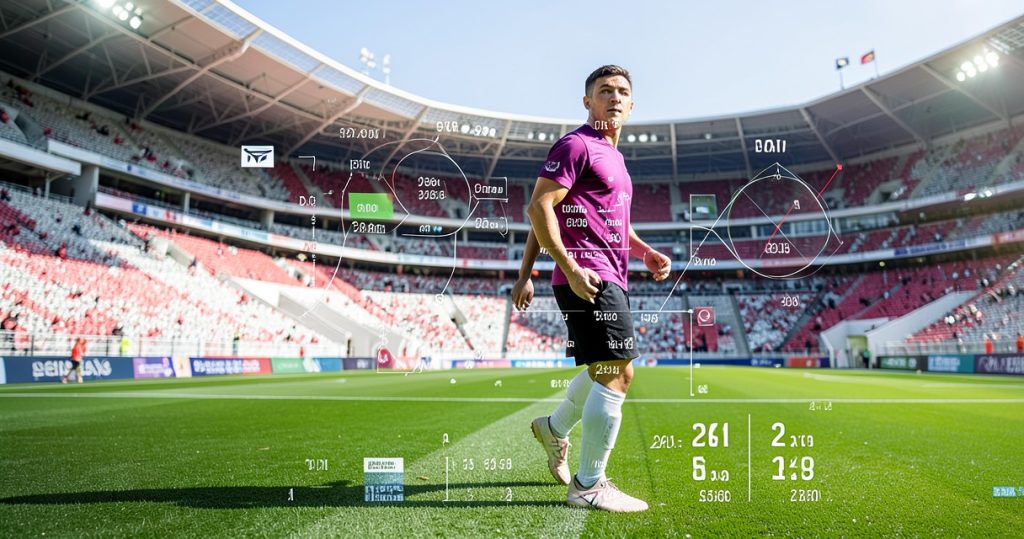
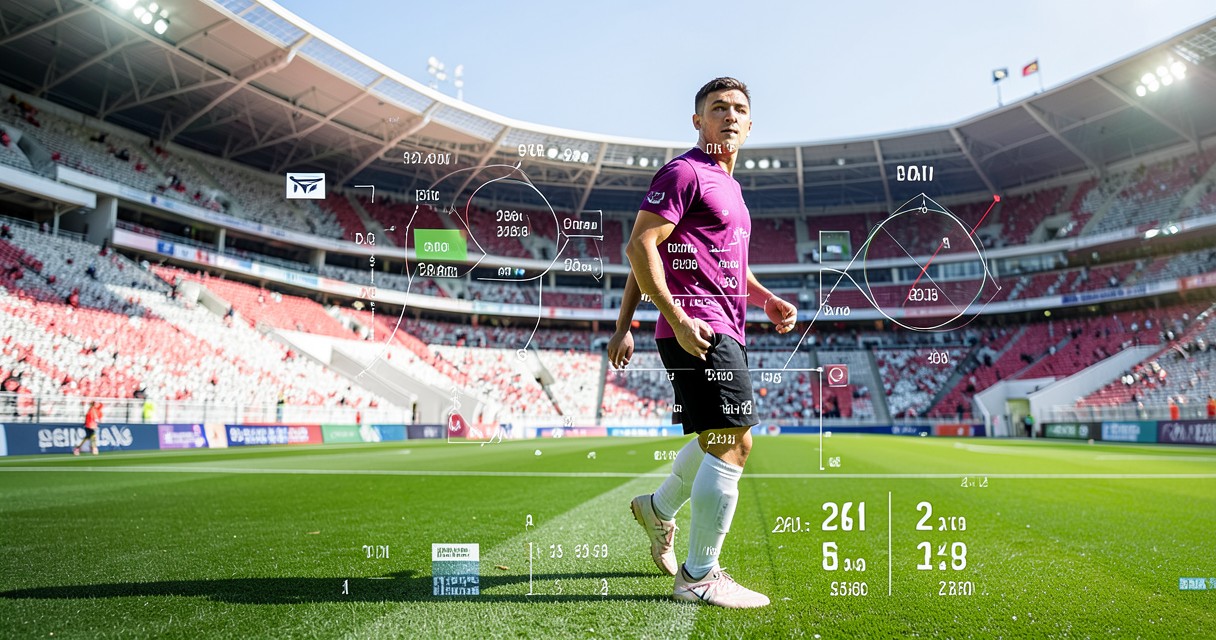
Data analytics has transformed the way teams approach player performance and game strategy. With the advent of advanced tracking technologies, coaches can analyze players‘ movements, decision-making, and overall contributions during matches. Companies like Opta and StatsBomb provide detailed metrics that help teams assess everything from passing accuracy to defensive positioning. This data allows coaches to tailor training regimens to address specific weaknesses and optimize player strengths. As a result, teams that effectively utilize data analytics often gain a competitive edge, leading to improved performance on the pitch.
Player Conditioning and Recovery Techniques
Modern soccer places immense physical demands on players, leading to an increased focus on conditioning and recovery techniques. High-intensity training, combined with rigorous match schedules, necessitates a comprehensive approach to player fitness. Techniques such as cryotherapy, physiotherapy, and nutrition management are now standard practices in professional clubs. For example, teams are investing in personalized nutrition plans to ensure players maintain peak performance and recover effectively. These advancements not only enhance player performance but also help reduce injury rates, allowing teams to field their best players consistently throughout the season.
The Impact of Tactical Innovations
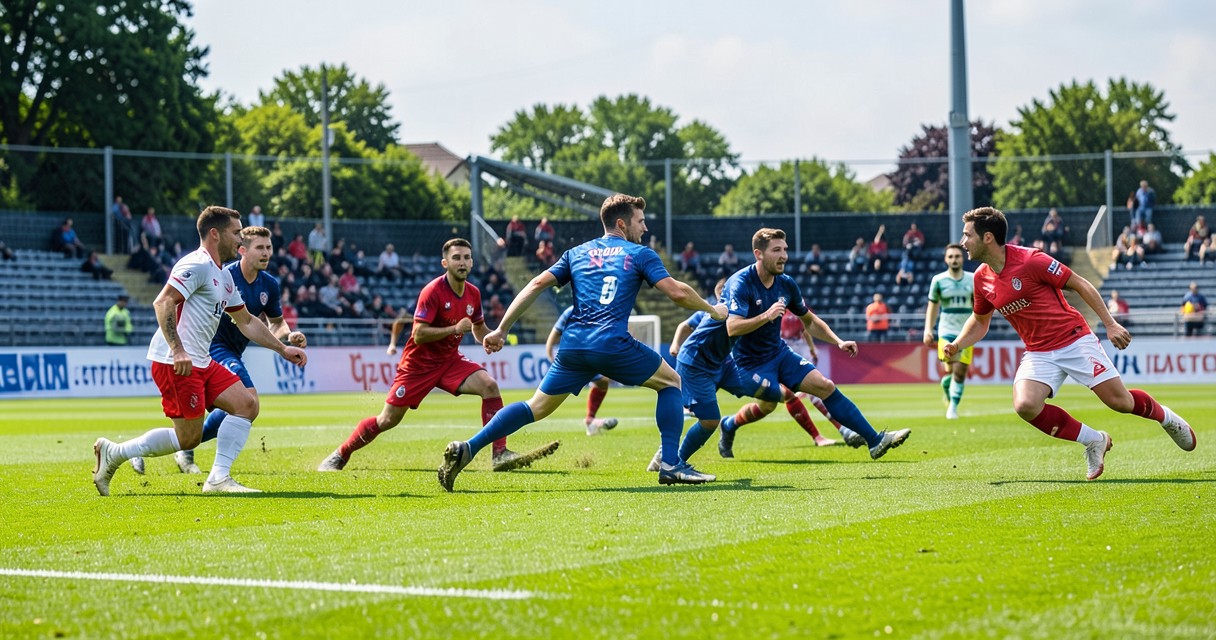
Tactical innovations have a significant impact on performance trends in soccer. Coaches are increasingly adopting flexible formations and strategies that adapt to the strengths and weaknesses of their opponents. The rise of pressing systems and possession-based play has changed the dynamics of how teams approach matches. For instance, the implementation of the high-pressing game has forced many teams to rethink their defensive structures and ball distribution strategies. This shift in tactics requires players to develop new skill sets, enhancing their overall performance and adaptability on the field.
Technological Advancements in Training
Technology is playing an ever-increasing role in soccer training methodologies. Virtual reality (VR) and augmented reality (AR) are being used to create immersive training environments that simulate match scenarios. These technologies allow players to practice decision-making and tactical awareness in a controlled setting, enhancing their performance during actual games. Additionally, wearable technology, such as GPS trackers and heart rate monitors, provides coaches with real-time data on player exertion levels, enabling them to fine-tune training loads and monitor player fatigue. This data-driven approach to training is becoming a standard in elite soccer, driving performance improvements across the board.
Changing Roles and Specialization of Players
As performance trends evolve, so too do the roles and specializations of soccer players. The traditional definitions of positions are becoming more fluid, with players expected to possess a wider range of skills. For example, full-backs are now often required to contribute offensively, not just defensively, leading to the emergence of attacking full-backs who can create scoring opportunities. Likewise, central midfielders are increasingly expected to play a dual role, contributing both defensively and offensively. This evolution in player roles not only enhances team dynamics but also necessitates continuous development and adaptation in training programs.

Fan Engagement and Performance Metrics
Fan engagement has also evolved alongside performance trends, with supporters now more informed and invested in player statistics and analytics. The rise of social media and sports apps has made it easier for fans to access real-time performance metrics and analysis. This shift has led to a more analytical fanbase that appreciates the subtleties of the game, such as player efficiency ratings and tactical formations. Clubs are recognizing this trend and are leveraging data to create engaging content that resonates with their audiences. By doing so, they not only enhance the fan experience but also foster a deeper connection between supporters and the team.
The Future of Performance Trends in Soccer
Looking ahead, performance trends in soccer are likely to continue evolving as new technologies and methodologies emerge. The integration of artificial intelligence (AI) in player scouting and performance analysis is on the horizon, promising to revolutionize how teams assess talent and develop players. Additionally, as soccer becomes increasingly globalized, teams will need to adapt to diverse playing styles and cultural influences, further enriching the sport. Embracing these changes will be crucial for clubs aiming to maintain competitiveness in an ever-changing environment. As the game progresses, staying updated on performance trends will be essential for coaches, players, and fans alike.

I’ve been kicking a ball around since I could walk, and the strategy behind the beautiful game never stops fascinating me. I love breaking down match tactics and sharing the stories of players who make football unforgettable.