Introduction to Long Ball Tactics in Soccer
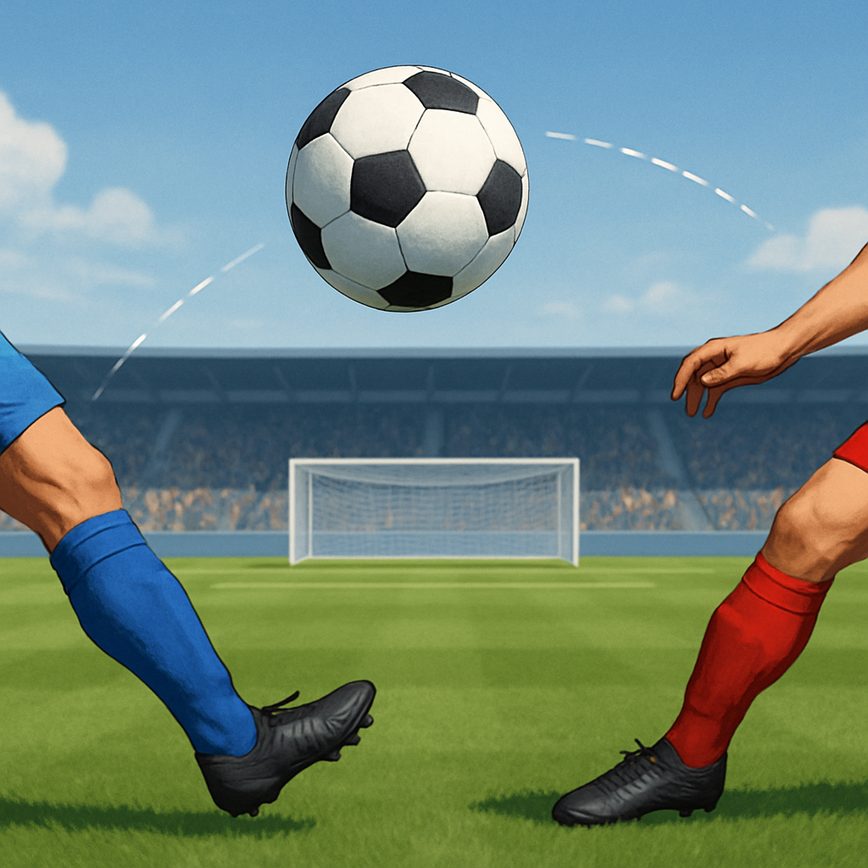
Long ball tactics in soccer refer to a style of play where the team prioritizes sending long passes forward, often bypassing the midfield, to quickly advance the ball towards the opponent’s goal. This approach is a form of direct play, focusing on speed, physicality, and swift transitions rather than intricate short passing or possession-based strategies. The essence of long ball soccer lies in its straightforward, aggressive method of moving the ball, relying heavily on the ability of forwards to win aerial duels and hold up play for teammates.
Historically, long ball tactics have been a prominent strategy used by teams seeking to counteract opponents who dominate midfield possession. It offered a practical alternative when facing technically superior teams, emphasizing robustness and quick attacking bursts. This tactic gained notable popularity in British soccer during the mid-20th century, where teams frequently used it to leverage physical strength and aerial ability to break defensive lines. Over time, while some have criticized long ball tactics as overly simplistic or less elegant compared to possession-based play, it remains a respected and effective soccer strategy when executed well.
In a modern context, long ball tactics are often integrated with more fluid styles of play, combining moments of direct play with technical buildup, allowing teams to adapt to different match situations. Coaches utilize these tactics to exploit particular strengths of their squad, such as tall, strong strikers or midfielders who can win the ball and release long passes under pressure. Despite advances in soccer strategy, the long ball remains a valuable option, especially in scenarios requiring quick goal-scoring opportunities or when managing games against compact defenses.
Overall, long ball tactics represent a fundamental aspect of soccer strategy, focusing on efficiency, speed, and the physical dimension of the game. Its historical roots and continued relevance show that while soccer tactics evolve, the basic principles of direct play through long ball soccer continue to shape how teams approach the art of attacking football.
History and Evolution of Long Ball Tactics
The long ball history in soccer dates back to the mid-20th century when traditional tactics favored direct, straightforward play over intricate passing sequences. Originally, long ball tactics emerged as a practical response to physical and environmental conditions on the pitch, such as rough playing surfaces or adverse weather, which made short passes less reliable. This approach prioritized quickly moving the ball from defense to attack, often bypassing the midfield entirely by launching high, long passes towards forwards waiting near the opponent’s goal.
As soccer evolution progressed, the long ball style became a hallmark of certain football cultures, particularly in English football where it was used effectively by teams relying on strength and aerial ability of their strikers. Traditional tactics that emphasized physicality and speed found long ball an ideal strategy to exploit weaknesses in opposition defenses. Coaches and teams developed increasingly sophisticated ways to implement this style, combining it with counter-attacking maneuvers and set-piece efficiency.
In modern soccer, the long ball has undergone significant evolution. While it was once perceived as a rudimentary or even outdated tactic, many contemporary teams incorporate elements of it within more complex tactical systems. The evolution of player skills and tactical awareness means long ball is no longer merely a desperate clearance but a deliberate strategy used to control the tempo of the game and create scoring opportunities quickly. Thus, the long ball remains a dynamic component of soccer’s tactical landscape, blending historical roots with contemporary innovation.
When and Why Teams Use Long Ball Tactics
Long ball tactics are commonly employed in soccer when teams need to quickly transition from defense to attack, bypassing the midfield congestion. The long ball purpose is primarily to exploit the opponent’s weaknesses in aerial duels or to capitalize on the speed and positioning of forwards. Coaches often choose this tactic in matches where precision passing and possession-based play might be hindered by strong defensive pressure or physical opposition.
Soccer tactics usage featuring long balls can also be strategic during specific match scenarios, such as when a team is trailing and needs to increase offensive urgency. By sending long passes towards the attacking players, teams can generate chances faster and put immediate pressure on the opposition’s defense. This approach is particularly effective against teams with a high defensive line or those vulnerable to quick counterattacks.
Furthermore, coaches might deploy long ball tactics to manage the tempo and control the game, especially in unfavorable weather conditions or pitch surfaces where intricate play could be disrupted. The match strategy behind this is not just to score goals but also to minimize risks associated with building up play through the midfield. Overall, the use of long ball tactics allows teams to adapt dynamically according to their strengths and the flow of the game.
Key Components and Execution of Long Ball Tactics
Long ball execution in soccer revolves around the mastery of direct passing and the ability to win aerial duels. This tactic demands specific soccer skills that emphasize accuracy, timing, and physicality, allowing teams to transition quickly from defense to attack. The key to effective long ball play is not just the ability to launch the ball forward but also how well players understand their roles and positions on the pitch.
One of the essential skills in executing long ball tactics is the ability to deliver precise long passes. Players tasked with this role, typically central defenders or deep-lying midfielders, must be adept at reading the game and identifying opportunities to exploit spaces behind the opponent’s defense. Their passing technique needs to be strong and accurate to cover large distances while maintaining control, setting the stage for a quick offensive transition.
Another critical aspect of this style is winning aerial duels. Since the long ball often involves lofted passes into attacking zones, forwards and midfielders must excel in heading the ball and competing physically with defenders. Height, jumping ability, and timing play crucial roles here, giving the attacking team an edge in retaining possession and creating goal-scoring opportunities from knockdowns or flick-ons.
Player roles in a long ball system are clearly defined. Defenders need to be comfortable clearing the ball quickly and accurately, while forwards act as target men, holding up the ball or flicking it on to teammates. Midfielders generally support by positioning themselves to receive second balls or to challenge opponents aggressively when possession is contested. This coordination ensures that long ball tactics are not just hopeful kicks but strategic moves to gain field advantage.
Tactically, teams using long ball play often employ a direct style aimed at minimizing build-up play and focusing on quick forward thrusts. This means players must be constantly aware of positioning and opponent weaknesses. Effective communication and teamwork further enhance the success rate of long ball strategies, as players anticipate and react to the flow of the game with precision.
In summary, the success of long ball tactics in soccer hinges on a blend of technical soccer skills, well-defined player roles, and cohesive tactical execution. Mastery of direct passing and aerial duels underpins this approach, enabling teams to bypass midfield congestion and launch swift, effective attacks.
Player Roles and Responsibilities
In long ball tactics, each player has a defined role to maximize the effectiveness of this direct style of play. The target man plays a crucial role; typically a physically strong forward, they are responsible for winning aerial duels and holding up the ball to bring teammates into play. Their ability to control long passes and lay off the ball quickly is essential to sustaining attacks.
Wingers also have specific responsibilities in this setup. They must be ready to sprint onto flick-ons or knockdowns from the target man, providing width to stretch the opposition’s defense. Their pace and crossing ability create scoring opportunities once they receive the ball in advanced positions.
Midfielders play a dual role by supporting both defense and attack. In long ball tactics, midfielders often focus on quickly regaining possession and distributing long passes to the target man or wingers. They must maintain good positioning to protect the defense while also being prepared to follow up on lost balls.
Defensive roles are critical in this strategy as well. Defenders and defensive midfielders need to be strong in the air to clear opposition long balls and prevent counterattacks. They must communicate well to organize the backline, minimizing gaps that opponents can exploit while the team pushes forward with long balls.
Techniques for Effective Long Passing
Long passing in soccer requires a blend of skill, technique, and precision to effectively deliver the ball over greater distances. To execute a successful long ball, players must first focus on body positioning, ensuring their non-kicking foot is planted beside the ball and their body leans slightly forward to maintain balance and control. A smooth, controlled swing of the kicking leg helps generate the right amount of power without sacrificing accuracy. Key soccer techniques include striking the ball with the instep or the top of the foot to achieve a stable trajectory and reduce unwanted spin.
Aerial control is another critical aspect of long passing. Players must be adept at reading the flight of the ball and preparing their body to receive it effectively. Using the chest, thigh, or foot to control the ball upon its arrival allows them to maintain possession and continue the play seamlessly. Developing strong aerial control enhances a player’s ability to participate in long ball tactics by ensuring they can handle high passes under pressure.
Passing accuracy is fundamental in long passing, as the ball must reach the intended target precisely to create scoring opportunities or relieve defensive pressure. Consistent practice focusing on timing, angle of delivery, and vision improves a player’s ability to execute accurate long passes. Mastering these techniques empowers players to contribute effectively to their team’s strategic play through dependable long balls and superior aerial control.
Advantages and Disadvantages of Long Ball Soccer
Long ball tactics in soccer offer a distinct set of advantages and disadvantages that make them a unique strategic option on the field. Understanding these soccer tactics advantages and soccer tactics disadvantages is key for teams considering this approach.
One of the primary long ball pros is the ability to bypass crowded midfield areas quickly. By sending high, direct passes over the opposition’s defenders, teams can create sudden attacking opportunities and catch opponents off guard. This tactic can be especially effective when a team has physically strong forwards capable of winning aerial duels and holding up the ball. It also allows for rapid transitions from defense to attack, making it ideal for counter-attacking soccer squads looking to exploit spaces behind an advanced defense line.
In addition, long ball tactics can help alleviate pressure in defense by clearing the ball away from dangerous zones, giving defenders and goalkeepers time to regroup. This contributes to better organization at the back and can prevent sustained attacks from opponents. Moreover, during adverse weather conditions or on rough pitch surfaces, the long ball approach often reduces the risk of losing possession due to intricate passing errors.
However, these long ball pros come with corresponding long ball cons that teams must consider carefully. For instance, reliance on long balls can lead to a lack of possession and control over the game, as the ball is frequently played away from midfield areas where intricate passing and buildup occur. This may result in fewer scoring opportunities created through patient build-up play and tactical creativity.
Another soccer tactics disadvantage is that long ball soccer can become predictable and easier to defend against if overused. Opponents aware of this strategy may position their defenders deep and prepare to intercept or win aerial battles, negating the tactic’s effectiveness. Additionally, consistently playing long balls can lead to high physical demands on forwards and midfielders who must constantly chase down these balls, potentially causing fatigue and reduced overall team stamina.
Ultimately, the decision to utilize long ball tactics in soccer should weigh these long ball pros and cons. While it can provide a quick and direct route to goal with significant defensive benefits, it may also reduce possession, limit creativity, and risk predictability on the pitch. A balanced approach, integrating elements of the long ball with other soccer tactics advantages, can often be the most effective way to leverage this strategy.
Advantages of Using Long Ball Tactics
Long ball tactics offer several distinct advantages that can greatly benefit a soccer team. One of the primary benefits is the speed with which a team can transition from defense to attack. By launching quick attacks through long, direct passes, teams can catch their opponents off guard before they have time to organize their defense. This approach is especially effective for counterattacks, where the objective is to exploit the opponent’s momentary vulnerability immediately after losing possession.
Another advantage lies in the simplicity of the strategy. Long ball tactics minimize the need for intricate passing sequences and complex build-up play, which can sometimes slow down the game or lead to mistakes. Instead, the focus is on physical play and winning aerial duels, allowing teams to rely on raw power and directness to advance the ball quickly into threatening areas. This can be particularly useful for teams with strong, physical forwards who excel at holding up the ball or winning headers.
Overall, the direct strategy benefits teams by providing a straightforward, high-impact style of play. It reduces the risk of possession loss in dangerous areas by quickly moving the ball forward, and it leverages the team’s physical strengths to dominate key moments on the field. These advantages make long ball tactics a valuable weapon for teams seeking speed, simplicity, and effectiveness in their game plan.
Challenges and Limitations
Long ball tactics in soccer come with several challenges and limitations that teams must carefully consider. One of the primary drawbacks is the increased risk of possession loss. Since the ball is played over long distances, it becomes harder to control, making it easier for opponents to intercept or regain possession. This frequent turnover can disrupt a team’s rhythm and limit sustained attacking opportunities.
Another significant issue is predictability. When a team relies heavily on long ball strategies, opposing teams can anticipate and prepare for this approach. Defenders may adopt a deeper line or position themselves strategically to counteract these aerial plays, reducing their effectiveness. This predictability can make a long ball game plan less versatile and easier to neutralize.
Defensive risks also increase with long ball tactics. Players often commit forward to chase long passes, which can leave gaps in midfield and defense, creating opportunities for counterattacks. Opponents can exploit these spaces by launching quick breaks, leaving defenders exposed and vulnerable to scoring chances.
In summary, while long ball tactics can be a powerful tool in soccer, the associated long ball challenges such as possession loss, predictability, and defensive risks mean teams must balance this approach with other strategies to maintain overall effectiveness and adaptability on the field.

I’ve been kicking a ball around since I could walk, and the strategy behind the beautiful game never stops fascinating me. I love breaking down match tactics and sharing the stories of players who make football unforgettable.