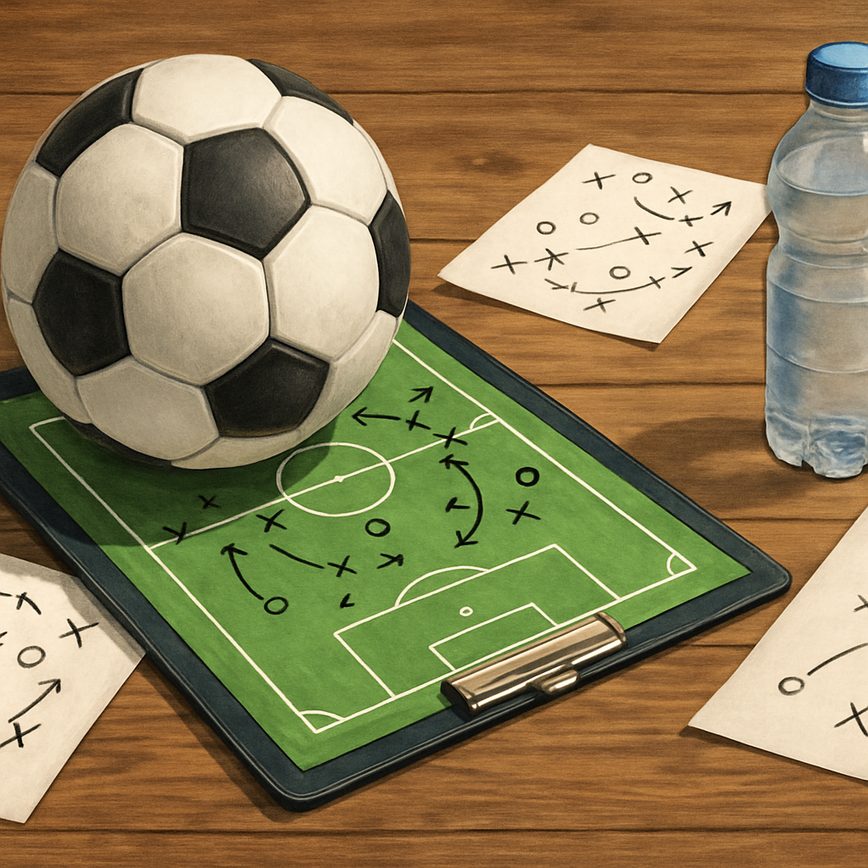
Understanding Away Match Tactics in Soccer
Playing away games in soccer presents unique challenges that require distinct tactical approaches compared to home matches. Away match tactics are an integral part of any soccer strategy due to the unfamiliar environments and hostile crowd atmospheres players must navigate. Teams preparing for away matches need a well-structured plan that addresses both psychological and physical factors to optimize performance on the road.
One of the most significant challenges in away matches is coping with the crowd effects. Home supporters often create a loud and intimidating environment, which can impact the concentration and confidence of the visiting team. The presence of many opposing fans can lead to increased pressure, making it critical for players to maintain focus and composure. Coaches often emphasize mental toughness and resilience as key components of match preparation for away games to help players handle the hostility and distractions.
Another strategic consideration when playing away is the unfamiliarity with the playing conditions. Different stadiums might have variations in pitch quality, dimensions, and even weather conditions, all of which can influence the style of play. Teams must adapt their soccer strategies to these factors, sometimes opting for a more conservative approach to reduce mistakes. This adaptability is vital to execute effective away match tactics that capitalize on the team’s strengths while minimizing vulnerabilities in less familiar settings.
Furthermore, travel and scheduling logistics play a role in preparing for away games. Fatigue from long journeys and disrupted routines can affect players’ physical readiness. To combat this, coaching staff often tailor training programs and recovery plans specifically for away fixtures. This holistic approach ensures that players are both mentally and physically in peak condition to face the challenges of playing away.
Overall, away match tactics in soccer require thorough match preparation that includes understanding the psychological pressure from opposing crowds, adapting to unfamiliar environments, and managing physical demands. These strategic considerations help teams maintain competitive edge and maximize their chances of success on the road.
Challenges of Playing Away Games
Away game challenges present a unique set of obstacles that both players and coaches must overcome to perform well. One of the most significant difficulties is the home crowd pressure. Playing in front of a hostile and vocal audience can disrupt concentration and elevate stress levels, making it harder for the visiting team to execute their game plan effectively. The overwhelming support for the home team often creates an intimidating atmosphere that can affect players’ confidence and morale.
Travel fatigue is another major challenge encountered during away matches. Teams often have to endure long journeys, sometimes across multiple time zones, which can impact physical readiness and mental sharpness. Fatigue from travel can lead to slower reactions, decreased stamina, and increased risk of injury, all of which undermine performance on the pitch. Proper management of rest and recovery is crucial to mitigate these effects.
Additionally, playing on an unfamiliar pitch adds a layer of complexity to away games. Differences in pitch size, turf type, and field conditions can affect the style of play and require adaptation from the visiting players. Coaches need to prepare their teams for these variations to maintain tactical balance and effectiveness. Understanding and adjusting to these environmental factors is key to countering the home advantage and thriving despite the challenges.
Psychological Preparation for Away Matches
Effective psychological preparation is essential for building mental toughness in players before away matches. Developing a strong away mentality helps the team face the pressures of unfamiliar environments and hostile crowds with confidence. Coaches can implement various psychological tactics that promote resilience and enhance focus, ensuring players remain composed regardless of external distractions.
One method to build resilience is visualisation, where players mentally rehearse facing challenging scenarios and successfully managing stress. This mental exercise prepares them to stay calm and maintain concentration even under intense pressure. Additionally, team focus can be reinforced through pre-match routines that encourage players to concentrate solely on their roles, blocking out noise and negative influences from the opposing fans or location.
Setting clear psychological goals also boosts the away mentality. Goals centered around effort, communication, and composure help players remain united and motivated. Encouraging positive self-talk and emotional regulation techniques can further ensure that players do not succumb to anxiety or frustration during the match.
Incorporating team-building activities and mental conditioning sessions into regular training strengthens the collective mindset. This holistic approach guarantees that psychological tactics are internalized, making the players mentally prepared and resilient for the challenges that come with playing away from home.
Effective Defensive Strategies for Away Matches
When playing away, teams must adopt solid defensive tactics to withstand the pressure of the opposing team’s home advantage. A critical aspect of away match defense is maintaining a compact soccer formation that reduces space for the opponents to exploit. By tightening the lines between defenders and midfielders, teams limit passing lanes and force attackers into less threatening positions, making it easier to regain possession and control the game.
Disciplined marking is another key defensive tactic that teams employ during away matches. Each player must be aware of their marking responsibilities, closely tracking their assigned opponents to prevent dangerous runs or unchallenged shots on goal. This focused attention on man-to-man responsibilities, combined with zonal coverage of key areas, strengthens the team’s overall defensive organization and decreases the likelihood of conceding goals.
Efficient counter-attacking play often distinguishes successful away defenses. Once the team recovers the ball, quick transitions from defense to attack catch the home side off guard. Utilizing fast breaks and precise passing, players exploit the opponent’s momentary disorganization. This requires not only sharp defensive awareness but also players with the ability to swiftly move into attacking positions, converting defensive solidity into goal-scoring opportunities.
Moreover, away match defense benefits from adopting flexible soccer formations such as a compact 4-5-1 or 5-4-1. These formations allow teams to add defensive solidity without sacrificing the potential for counter-attacks. The extra midfielders provide additional bodies to press the opposition and regain possession, while the lone forward remains a constant threat on the break.
In summary, the combination of compact formations, disciplined marking, and effective counter-attacks forms the cornerstone of successful defensive tactics in away matches. Teams that master these elements not only protect their goal but also create opportunities to exploit the fatigue and over-commitment of their opponents, increasing their chances of securing valuable points on the road.
Utilizing Compact Formations
Compact formations are essential tools in an away defense strategy as they significantly improve a team’s defensive structure. By reducing the distance between players both horizontally and vertically, a compact formation limits the space available for the opposing team to operate. This effectively denies the opposition the freedom to find passing lanes and exploit gaps in the team shape.
When a team adopts a compact formation, players maintain close proximity to one another, ensuring that pressing and covering duties are more efficiently executed. This disciplined team shape makes it harder for opponents to penetrate through the middle or the flanks, forcing them into less dangerous wide areas or long-range attempts. Such a defensive structure fosters solidarity among defenders and midfielders, creating layers of protection that reduce scoring opportunities for the opposing side.
In away matches, where often the team must prioritize defense over attacking play, compact formations are particularly valuable. They help maintain focus and organization under pressure, allowing the team to absorb sustained attacks with minimal risk. Moreover, a compact formation enables quick transitions once possession is regained, as players are positioned closely to support counter-attacks.
Ultimately, employing a compact formation is a strategic way to balance defensive resilience with tactical discipline in away games, making it a cornerstone of a successful away defense strategy.
Counter-Attack Opportunities
In away match offense, teams often rely on the power of counter-attack opportunities to break down their opponents and create scoring chances. These swift counter-attacks are built upon quick transitions from defensive to offensive play, enabling teams to exploit moments when their rivals commit players forward and take risks. By maintaining a solid defensive setup, the away team absorbs pressure and patiently waits for the perfect moment to launch a rapid strike.
Effective counter-attacks require precise timing and coordination, as well as a clear understanding of when to surge forward. Players must be alert to the opponent’s tendencies during risk-taking phases, allowing them to intercept passes or recover balls quickly. Once possession is regained, the focus shifts to accelerating play through fast, incisive passes and intelligent runs that catch the opposition off guard, maximizing the chances of a goal-scoring opportunity from seemingly defensive scenarios.
In essence, teams use counter-attack strategies in away matches to capitalize on the natural gaps left behind when opponents push aggressively. These quick transitions transform defensive moments into potent offensive moves, making counter-attacks a vital tactic for success in challenging environments. Harnessing this approach not only enhances the team’s ability to score but also disrupts the rhythm and confidence of the home side.
Optimizing Offensive Play During Away Games
| Offensive Tactics | Description | Key Focus Areas |
|---|---|---|
| Controlled Possession | Maintain careful ball control to minimize risk and patiently build attacks, limiting the opponent’s chances to counterattack while gradually advancing into their defensive lines. | Ball retention, patient passing, minimizing turnovers |
| Selective Pressing | Apply pressure strategically in key areas to regain possession without exposing defensive vulnerabilities, using intelligence rather than constant high press. | Targeted pressing zones, timing and anticipation, conserving player energy |
| Exploiting Set-Piece Plays | Capitalize on free kicks, corners, and throw-ins as prime opportunities to create high-quality chances in away conditions where open play risks are higher. | Clever routines, accurate delivery, well-rehearsed positioning |
In away game offense, a team must balance aggression with caution. Possession strategies that emphasize controlled, patient ball movement reduce the likelihood of costly turnovers while applying pressure through selective pressing ensures energy is efficiently used to disrupt the opponent’s play at critical moments. Avoiding reckless runs or constant pressing keeps the defensive structure intact, essential in away matches where space for error is limited.
Moreover, exploiting set-piece plays becomes a vital component of attacking tactics on the road. Away teams often face more compact and defensive opponents, making scoring opportunities from open play scarce. Well-executed corners, free kicks, and throw-ins can unlock defenses and create high-percentage scoring chances. Preparing intricate routines and capitalizing on every set-piece opportunity can turn the tide in challenging away fixtures.
By integrating these approaches—controlled possession, selective pressing, and set-piece exploitation—teams can optimize their away game offense effectively. Such tactics not only increase the chances of scoring but also strengthen the overall team resilience and adaptability under pressure, critical for achieving positive results away from home.
Maintaining Possession Under Pressure
In away match offense, maintaining ball retention under pressure is critical to controlling the game and creating scoring opportunities. Teams facing aggressive opposition must adopt possession tactics that emphasize composure and quick decision-making. One key strategy is to focus on short, precise passes that minimize the risk of losing the ball. Supporting players should continuously offer passing options, creating triangles and diamonds that provide multiple outlets for the ball carrier.
Press resistance is enhanced by players who are comfortable receiving the ball under pressure and can make rapid assessments to either dribble away from opponents or play a secure pass. Utilizing the width of the pitch stretches the opposing press, making it harder for defenders to trap the ball carrier. Additionally, switching the ball quickly from one side to the other can disorganize the pressing structure, allowing the team to find pockets of space.
Another effective possession tactic is to use the goalkeeper and defenders to circulate the ball at the back, drawing out attackers and creating gaps for midfielders or forwards to exploit. Patience is essential; forcing risky plays can lead to turnovers that fuel counterattacks. By emphasizing calmness, intelligent positioning, and continuous movement off the ball, teams can maintain possession under pressure and reduce risk while building meaningful chances even in the most hostile away environments.
Maximizing Set-Piece Effectiveness
When playing away matches, scoring opportunities can be limited due to unfamiliar environments and strong home defenses. One of the most practical ways to increase scoring chances is by focusing on the execution of set-pieces. Set-pieces, such as corner kicks and free kicks, offer controlled situations where teams can strategize and capitalize on their precision and coordination.
Away matches often demand a tactical approach that maximizes every opportunity, and efficient set-piece routines are crucial in this context. Teams can design specific plays tailored to exploit weaknesses in the opponent’s defensive setup during corners and free kicks. Practicing accurate delivery and timed runs helps to create confusion and open spaces that lead to goal-scoring opportunities.
Moreover, ensuring players are physically and mentally prepared to seize these moments can significantly improve away match scoring records. Defenders with good aerial ability are often key targets during set-pieces, as their height and timing can generate powerful headers. Similarly, creative players tasked with taking free kicks can increase the chance of scoring or assists by varying their techniques and delivery.
In summary, prioritizing set-pieces in training and game planning equips teams with a reliable method of breaking down defenses and scoring crucial goals in an away environment. Mastering corner kicks, free kicks, and all forms of set-piece execution is indispensable for teams aiming to succeed on the road.

I’ve been kicking a ball around since I could walk, and the strategy behind the beautiful game never stops fascinating me. I love breaking down match tactics and sharing the stories of players who make football unforgettable.