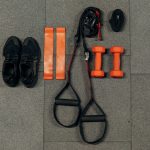

Soccer demands a rare blend of speed, stamina, power and agility, and the way a player trains for these qualities often decides whether they can compete at the highest level. Modern training programs break down the game’s physical requirements into measurable components, allowing athletes to target weaknesses with precision. Coaches now rely on data from heart‑rate monitors, GPS trackers and video analysis to shape each session, while players benefit from science‑backed routines that translate directly onto the pitch. Understanding the anatomy of a soccer workout is the first step toward building a body that can sprint, endure, and recover day after day.
Speed and sprint training for the decisive breakaway
Short, high‑intensity sprints form the backbone of any soccer speed program because match‑winning chances often arise within a ten‑meter burst. A typical protocol includes 10 repetitions of 20 to 30 meters at near‑maximum effort, followed by a rest interval that lasts twice the sprint duration; this ratio forces the neuromuscular system to adapt while preserving technique under fatigue. Coaches monitor split times with timing gates or smartphone apps, aiming for improvements of 0.05 seconds per session as a realistic benchmark. Incorporating resisted runs with sleds or parachutes adds load without sacrificing the quick footwork essential for a clean acceleration.
Beyond raw acceleration, repeated sprint ability mirrors the stop‑and‑go nature of a match. Drills such as the 6‑by‑6 test, six sprints of 30 meters with 20 seconds recovery, challenge both aerobic and anaerobic pathways, pushing the player’s lactate threshold higher each week. Research shows that athletes who train this way can maintain a higher percentage of their top speed late into the second half, a factor that separates elite teams from their opponents. Pairing sprint work with proper activation exercises, like dynamic lunges and high‑knees, ensures that muscles fire in the correct sequence, reducing the risk of hamstring strains.
Aerobic endurance to dominate the full 90 minutes
While sprints decide moments, the ability to sustain effort for the full duration of a match rests on a solid aerobic base. Most professional squads prescribe two to three steady‑state runs per week, each lasting 45 to 60 minutes at 70 to 80 percent of maximal heart rate. This intensity keeps the cardiovascular system efficient without overly taxing the musculoskeletal system, allowing players to recover quickly between high‑intensity bursts. Periodized plans often alternate between longer, lower‑intensity sessions and shorter, higher‑intensity intervals to avoid monotony and promote progressive overload.
High‑intensity interval training (HIIT) bridges the gap between endurance and sprint work by simulating the intermittent demands of a game. A common format involves 4 minutes of play‑like activity, such as small‑sided games or shuttle runs, followed by a two‑minute active recovery, repeated five times. Studies indicate that this approach can improve VO2 max by up to 10 percent in eight weeks, translating to a noticeable reduction in perceived exertion during the later stages of a match. Complementary cross‑training activities like swimming or cycling provide variety while still targeting the same aerobic pathways.
Power development for explosive jumps and tackles
Power in soccer is not limited to the ability to jump for a header; it also influences the force behind a tackle, the speed of a change of direction, and the strength of a shot. Plyometric exercises such as squat jumps, bounding and lateral hops train the stretch‑shortening cycle, enabling muscles to store and release energy more efficiently. A typical regimen calls for three sets of eight to ten repetitions, with ample rest between sets to preserve explosiveness. Athletes who integrate plyometrics report measurable gains in vertical jump height and sprint acceleration within a month.

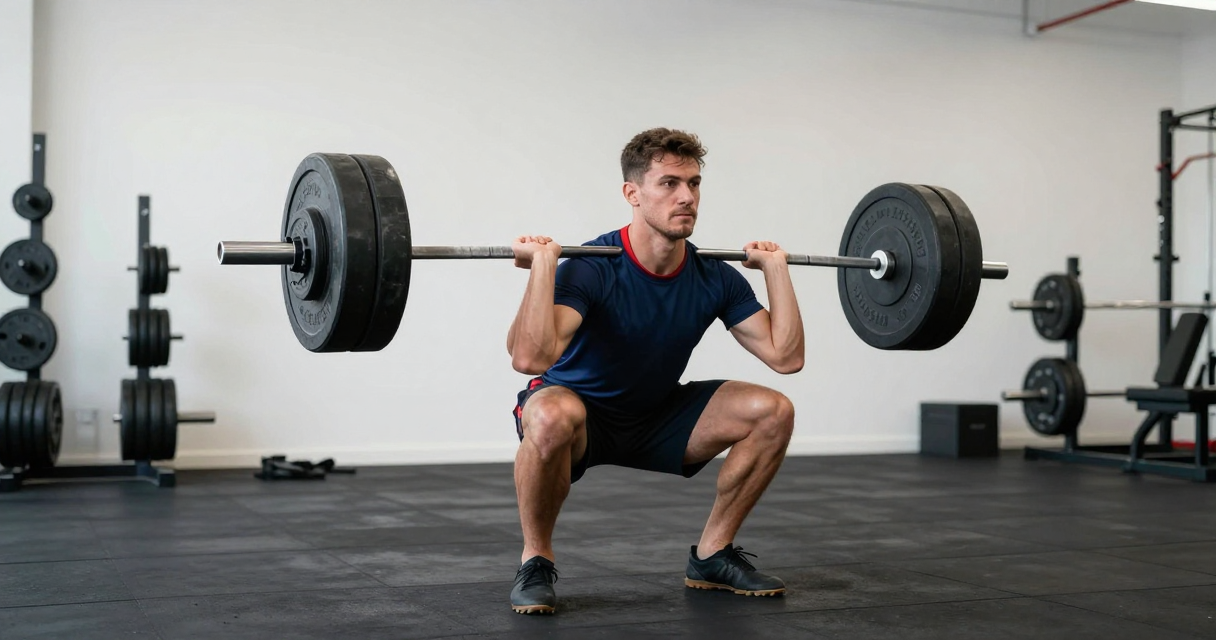
Weight training complements plyometrics by building the raw strength needed to convert that speed into force. Compound lifts like back squats, deadlifts and lunges, performed at 70 to 85 percent of one‑rep max for three to five sets, develop the lower‑body musculature essential for powerful strides. Upper‑body power also matters for shielding opponents and delivering long passes; therefore, medicine‑ball throws and push‑press variations are included in most routines. Periodization ensures that heavy strength phases alternate with power‑focused phases, preventing plateaus and keeping the athlete’s nervous system primed for rapid output.
Balance and change of direction drills to sharpen agility
Balance training has moved from a peripheral concern to a central pillar of soccer conditioning, especially after studies showed that young male players who combined balance work with change‑of‑direction drills improved overall fitness more than those who trained each component in isolation. Simple tools like wobble boards, BOSU balls and single‑leg stands challenge proprioception, while dynamic movements such as the T‑test and Illinois agility drill translate directly onto the field. Performing three to four sets of each drill, with a focus on maintaining posture and minimizing ground contact time, refines the neuromuscular patterns required for quick pivots.
Change of direction ability hinges on both strength and technique. Athletes are taught to load the opposite leg before planting, creating a powerful push‑off that maximizes acceleration out of a turn. Incorporating cone‑based drills that require rapid 90‑degree and 180‑degree cuts helps embed this motor pattern under fatigue. Research indicates that players who train these movements twice a week see a reduction in change‑of‑direction time by 0.1 to 0.2 seconds after six weeks, a margin that can determine whether a defender catches a forward or lets a pass slip through.
Position‑specific strength routines for tailored performance
Not all soccer positions demand the same physical profile, so strength programs are often customized to match the role’s unique stresses. Central defenders benefit from heavier loads that enhance tackling power and aerial duels; their sessions typically include heavier squats, deadlifts and core presses at 80 to 90 percent of one‑rep max. Wide midfielders, who cover the most ground, prioritize a blend of endurance and plyometrics, emphasizing lighter loads with higher velocity to sustain speed over long distances. For strikers, explosive hip extension is key, so exercises like kettlebell swings and hip thrusts dominate their weekly plan.
Even within a single position, individual differences dictate adjustments. A player recovering from a hamstring strain may temporarily shift focus to upper‑body work and low‑impact conditioning while maintaining overall strength. Conversely, a younger talent with a high ceiling in speed might receive additional sprint‑specific drills and neuromuscular training. Coaches use regular testing, such as 30‑meter sprint times, vertical jump measurements and functional movement screens, to fine‑tune each athlete’s program, ensuring that training load aligns with performance goals and injury risk.
Recovery, nutrition and injury prevention as the foundation of progress
Without adequate recovery, the gains from any training session dissolve quickly, and the risk of overuse injuries rises sharply. Elite clubs schedule active recovery days that feature low‑intensity cycling, swimming or yoga, allowing blood flow to flush metabolic waste while maintaining mobility. Sleep hygiene is equally important; athletes who achieve seven to nine hours of quality sleep per night display improved reaction times and hormonal balance, both of which support muscle repair. Monitoring tools like heart‑rate variability provide insight into an individual’s readiness, guiding coaches on when to scale back intensity.
Nutrition fuels the demanding training schedule and accelerates regeneration. A balanced diet rich in complex carbohydrates, lean proteins and healthy fats supplies the energy needed for prolonged aerobic work and the amino acids required for muscle repair. Timing meals around training, carbohydrate‑protein combos within thirty minutes after a session, optimizes glycogen replenishment and protein synthesis. Hydration strategies that replace electrolytes lost through sweat further protect against cramps and fatigue. When these recovery pillars are consistently applied, players can train harder, longer and with fewer setbacks, keeping them competitive throughout the season.

I’ve been kicking a ball around since I could walk, and the strategy behind the beautiful game never stops fascinating me. I love breaking down match tactics and sharing the stories of players who make football unforgettable.