Understanding Team Shape in Soccer
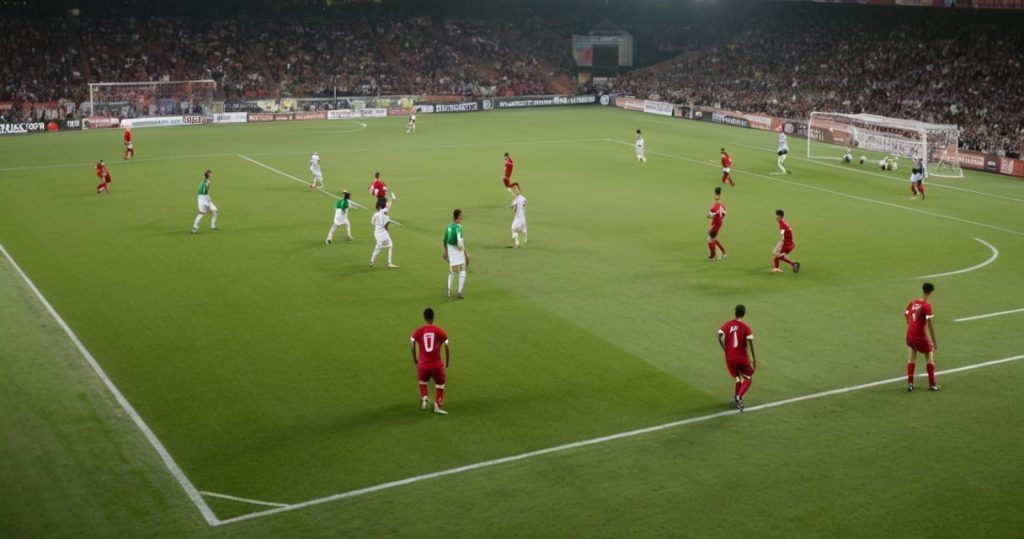
Team shape soccer represents the organized positioning and spacing of players across the pitch, ensuring structural integrity whether the team is attacking or defending. This concept goes beyond static setups, adapting fluidly as play unfolds to maintain balance and connectivity between units.
[We] changed shape in the second half, showed, the boys settled, started to play football, a little bit better football. It actually worked in some ways, even the man down.
Rob Shaw, coach of Brisbane Knights FC — en.wikinews.org
At its core, soccer formations such as 4-3-3 or 4-2-3-1 establish the initial blueprint for how players align, but true team shape emerges through movement, pressing triggers, and transitional phases that keep the squad compact or stretched as needed.
The team shape importance lies in its direct impact on overall performance, enabling better ball retention, coordinated pressing, and efficient transitions that prevent gaps opponents can exploit during high-tempo matches.
Within broader football tactics, mastering team shape allows coaches to dictate tempo, create overloads in key areas, and neutralize threats by maintaining vertical and horizontal compactness that supports both defensive resilience and fluid attacking patterns.
Effective team shape soccer fosters synergy among defenders, midfielders, and forwards, reducing isolation and enhancing collective decision-making under pressure. Teams that prioritize this element often sustain longer periods of dominance because every player understands their role in preserving width, depth, and passing lanes.
Coaches emphasize drills that reinforce awareness of spacing so players can shift shape seamlessly, whether dropping into a compact block or expanding to stretch play. This adaptability proves decisive in modern soccer where opponents constantly probe for structural weaknesses.
Ultimately, integrating strong team shape principles elevates strategy execution, turning individual talent into cohesive unit performance that consistently delivers results across varying match scenarios.
Popular Soccer Formations and Team Shapes
The world of soccer relies heavily on common soccer shapes to dictate gameplay and create tactical edges. One of the most enduring is the 4-4-2 formation. This structure consists of four defenders forming a solid backline, four midfielders providing both defensive cover and forward support, and two forwards leading the attack. Its strengths include excellent balance, making it hard for opponents to break down while offering routes to goal through midfield dominance. In matches, the 4-4-2 formation is often employed by teams that prefer a traditional, no-nonsense approach, especially in leagues where physicality plays a key role.
Another popular option is 4-3-3 soccer. Here, the team lines up with four at the back, three in midfield for control, and three attackers to stretch the play. The strengths of 4-3-3 soccer lie in its attacking flair and ability to press high up the pitch. Typical use cases involve possession-oriented teams that want to dominate games with width and creativity, often seen in European competitions where fluid attacking transitions are vital.
For more defensive-minded sides, the 5-3-2 team shape provides a fortress-like setup. With five defenders, three midfielders, and two forwards, it prioritizes shutting down opposition attacks. Strengths encompass compactness and effectiveness on the counter. This formation sees use in matches against favorites, helping teams grind out results through discipline and organization.
Overall, understanding these common soccer shapes allows coaches to tailor strategies. Whether adapting the 4-4-2 formation for balance, utilizing 4-3-3 soccer for attack, or opting for the 5-3-2 team shape for defense, each has its place in competitive soccer. Teams must choose wisely based on their squad and the specific demands of each fixture to maximize success on the pitch.
Impact of Team Shape on Game Dynamics
In soccer strategy, the team shape influence is crucial as it governs the spatial organization and movement patterns of players on the field. Teams that adopt a compact defensive shape soccer can effectively close down passing lanes and limit the opposition’s attacking options. This structured approach often results in fewer goals conceded and more controlled performances.
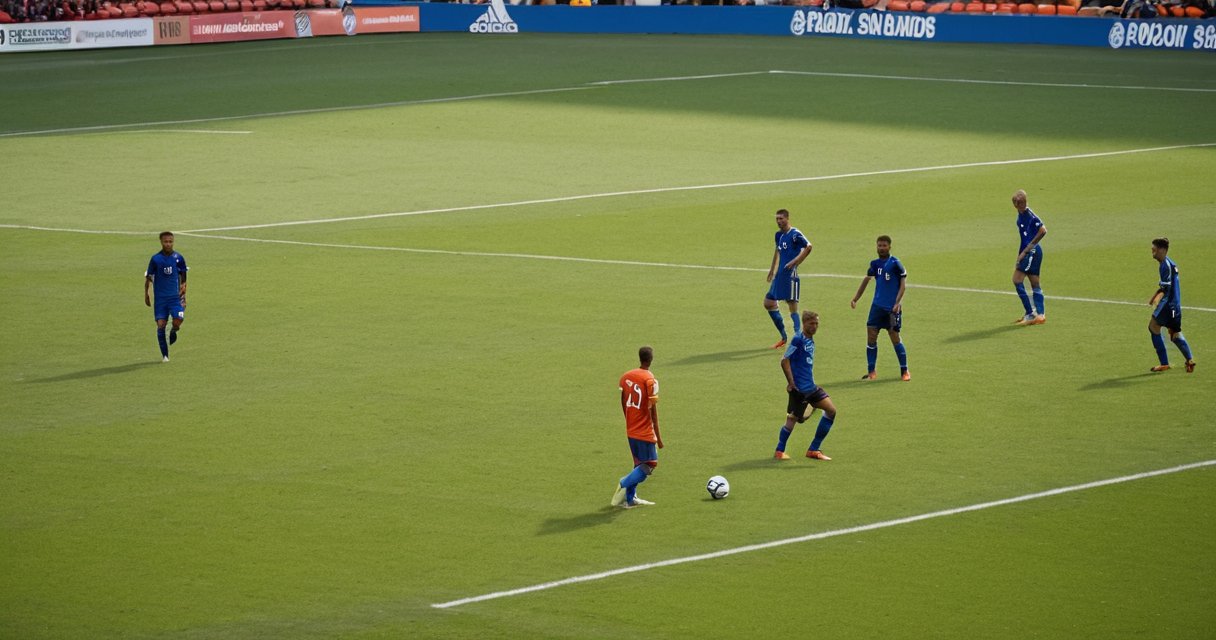
Attacking formations like 4-2-3-1 allow for fluid movement and exploitation of wide areas. Players position themselves to create overloads in midfield, facilitating better ball progression. The team shape influence here promotes creativity and chance creation, directly affecting the likelihood of scoring and winning matches.
Defensive shape soccer emphasizes compactness and communication among defenders to maintain a strong backline. When combined with flexible attacking formations, teams can switch seamlessly between phases. This adaptability is key in modern soccer for handling various opponents and game situations.
Overall match outcomes depend heavily on how well the team shape is executed. Poor positioning can lead to vulnerabilities, while optimal shapes enhance both attack and defense. Coaches focus on training these aspects to improve tactical awareness and performance consistency.
By understanding team shape influence, teams gain an edge in soccer strategy. It affects everything from set pieces to open play, ensuring that player positioning supports collective goals. Successful implementation translates to better results and dominance in competitions.
Choosing the Right Team Shape for Your Squad
Selecting the appropriate team shape is essential for any soccer coach aiming to achieve success on the field. Soccer coaching tips highlight the importance of matching the formation to the unique attributes of your players. By carefully assessing strengths and weaknesses, you can select team formation that enhances overall team performance and cohesion while creating balance across all areas of the pitch.
Understanding player roles in shape is fundamental when building your strategy. Each position carries specific responsibilities, and assigning players to roles that suit their abilities leads to better execution during matches. This tailored approach maximizes individual contributions while maintaining a solid team structure that supports both defensive stability and attacking fluidity.
Opponent analysis provides critical insights for making informed decisions. Observing how rivals set up their defense and attack enables you to adapt team shape accordingly. For example, against a high-pressing team, a more compact formation might be necessary to avoid turnovers in dangerous areas and maintain possession under pressure.
In dynamic match situations, flexibility becomes key. Coaches must be ready to adapt team shape mid-game based on the scoreline or changes in momentum. Soccer coaching tips suggest having predefined adjustments ready to implement swiftly without disrupting the team’s rhythm, ensuring the squad remains competitive from start to finish.
Training sessions should focus on practicing various formations to ensure players are comfortable with different setups. This preparation allows seamless transitions and helps in selecting team formation that counters specific challenges effectively. Regular drills involving player roles in shape build familiarity and confidence among the entire squad.
Finally, continuous evaluation and feedback are vital. After matches, review what worked and refine your approach. By integrating these elements, you create a robust system that adapts to any circumstance, leading to consistent results throughout the season.
Examples of Team Shape in Professional Soccer
Premier League formations have long showcased how pro team shapes influence match outcomes across top divisions. Manchester City frequently deploys a flexible 4-3-3 that morphs into a 3-2-4-1 during build-up, creating numerical superiorities in midfield and stretching defenses wide. This approach has delivered consistent results, including multiple title wins, by enabling quick transitions and sustained pressure.
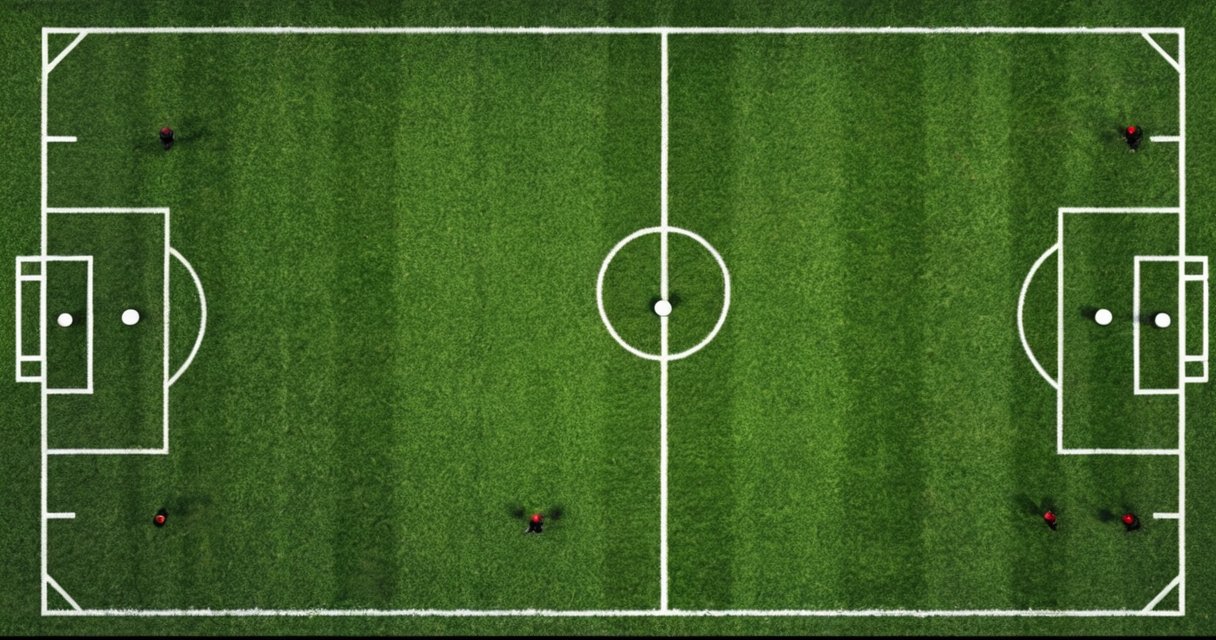
Tactical analysis soccer of Liverpool’s campaigns highlights another effective pro team shapes model. Their 4-3-3 setup features fullbacks pushing high to form a temporary back three, allowing the midfield to dominate central areas. In notable match examples against Manchester United and Chelsea, this structure generated high turnovers and led to decisive victories through coordinated pressing and width exploitation.
Arsenal’s recent evolution toward a 4-2-3-1 shape further illustrates adaptive premier league formations. By positioning inverted wingers and a deep-lying playmaker, the team maintains compactness while launching rapid attacks. Tactical analysis soccer of their encounters with Tottenham and Newcastle demonstrates improved defensive stability and higher goal tallies when these pro team shapes are executed with discipline.
Across these match examples, successful teams adjust shapes based on opponent weaknesses, often shifting from compact mid-blocks to aggressive high lines. Such flexibility in premier league formations underscores why detailed tactical analysis soccer remains essential for understanding modern pro team shapes and their direct impact on league standings.

I’ve been kicking a ball around since I could walk, and the strategy behind the beautiful game never stops fascinating me. I love breaking down match tactics and sharing the stories of players who make football unforgettable.