Overview of the 3-5-2 Formation
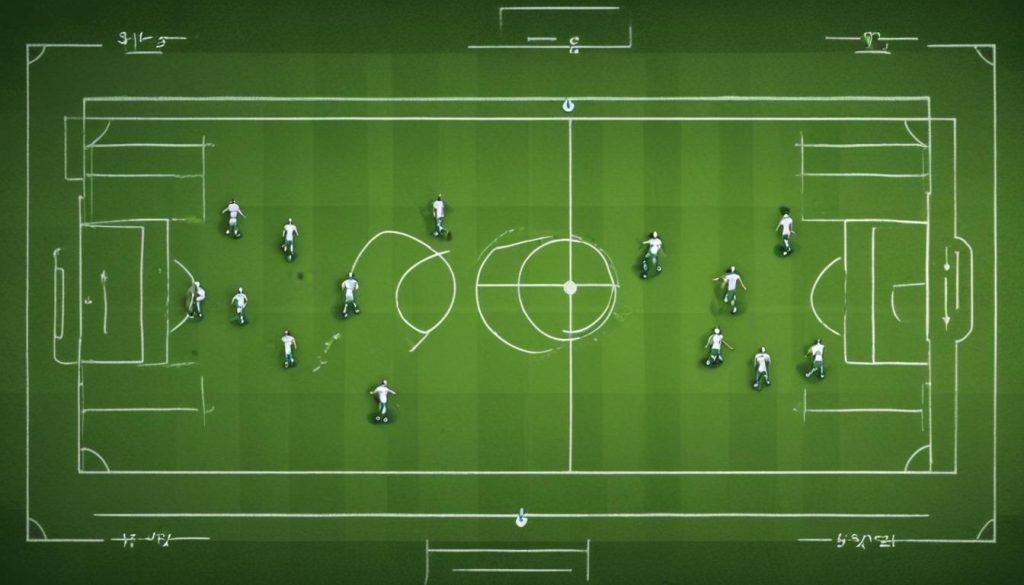
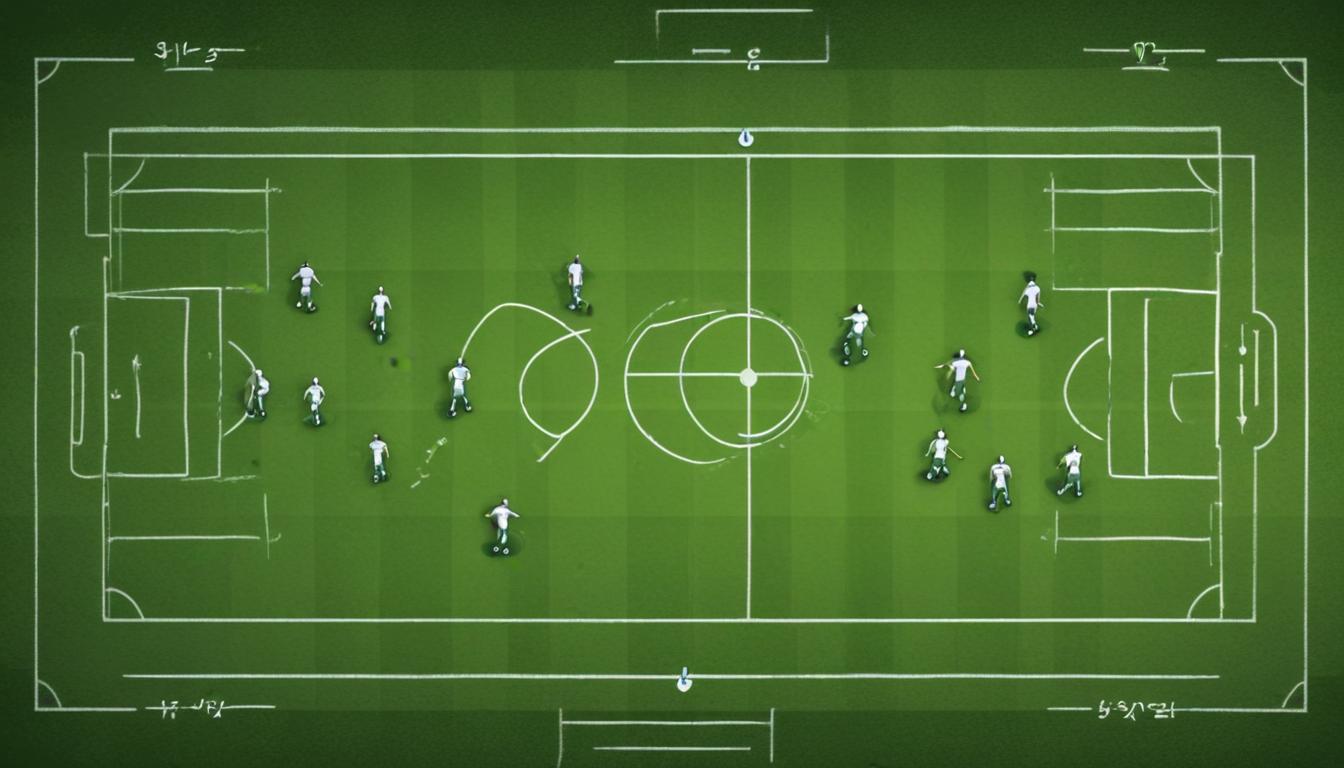
The 3-5-2 formation is a popular soccer tactics setup used by many football teams worldwide to create a balanced and flexible team strategy. This football formation consists of three central defenders, five midfielders, and two forwards. The primary objective of the 3-5-2 formation is to provide defensive solidity through the three defenders while simultaneously controlling the midfield with a dense line of five players, thereby supporting both defense and attack effectively.
At its core, the 3-5-2 formation allows teams to maintain a strong defensive foundation without sacrificing offensive opportunities. The three defenders usually consist of a central defender flanked by two wing-backs who also support the midfield and attack. The five midfielders often include a combination of central midfielders and wide players who contribute to ball possession, distribution, and creating chances for the two forwards. The two strikers are responsible for finishing scoring opportunities and pressuring the opposition’s defense.
Historically, the 3-5-2 formation gained prominence in the 1990s when several top football clubs and national teams started adopting it to counter the widespread use of the traditional 4-4-2 formation. Its flexibility intrigued coaches as it could be adapted to suit different team strengths, allowing teams to switch between defensive and attacking styles seamlessly within matches. The formation was popularized notably in Italy, where its strategic build-up and compact defensive shape fit well with the country’s tactical approach to soccer.
Since then, the 3-5-2 formation has been a staple in many football formations globally and continues to be a favored team strategy for coaches looking to dominate the midfield while maintaining a resilient defensive block. Its emphasis on midfield control and fluid transition between defense and attack makes it one of the most dynamic and effective soccer tactics in modern football.
Players’ Role in 3-5-2 Formation
In the 3-5-2 formation, each player’s role and positioning are crucial to the overall success of the team. The formation is built around three center-backs who form the defensive backbone, providing stability and coverage against opposing attacks. These center-backs must be strong in tackling, aerial duels, and positional awareness to effectively shield the defense.
The wing-backs play a dual role in this setup, acting as wide midfielders when attacking and full-backs when defending. Their positioning requires exceptional stamina and speed as they shuttle up and down the sidelines, providing width in offense and support to the backline in defense. They are responsible for delivering crosses into the box and tracking back to mark opponents.
Midfielders in the 3-5-2 formation have versatile roles ranging from defensive duties to playmaking. Central midfielders orchestrate the game, distributing the ball and maintaining possession, while also helping to disrupt opposition plays. Their positioning is vital for controlling the game’s tempo and linking defense with the forwards.
The two forwards are primarily responsible for scoring goals and applying pressure on the opponent’s defense. They must coordinate closely, with one often playing as a target man holding up the ball, while the other looks to exploit spaces and make runs behind the defensive line. This partnership demands excellent communication and understanding.
Advantages and Disadvantages
The 3-5-2 formation offers a mix of tactical flexibility and unique strategic advantages, making it a popular choice for teams looking to balance attack and defense efficiently. One of the key formation advantages is its ability to dominate the midfield with five players, allowing better control of the game’s tempo and enhanced ball possession. This setup facilitates quick transitions from defense to attack, supporting dual strikers upfront to capitalize on scoring opportunities. The wing-backs play a crucial dual role, offering both width in attack and defensive coverage.
However, the formation disadvantages are also significant and must be addressed for successful implementation. Despite its strong midfield presence, the 3-5-2 can expose defensive vulnerabilities, particularly on the flanks if wing-backs are caught out of position. This can leave the back three defenders stretched and vulnerable to wide attacks and crosses, making it a challenge against teams with fast wingers. Additionally, the reliance on wing-backs requires exceptionally fit and disciplined players to cover large areas of the pitch effectively.
In summary, a 3-5-2 review reveals several pros and cons that coaches need to weigh carefully. Its tactical flexibility allows teams to adapt fluidly during matches, shifting into defensive or offensive shapes as required. Yet, this formation demands a high level of coordination and stamina from the squad. When executed well, the 3-5-2 can dominate midfield battles and create multiple attacking avenues, but it also requires vigilance against potential defensive lapses on the sides.
Tactical Strategies Using the 3-5-2 Formation
The 3-5-2 formation is a versatile setup that allows teams to adapt their tactical strategies effectively during a match. One of the primary tactical strategies involves the use of wing-backs to provide width in attack and defense. This allows the team to maintain a compact shape centrally while exploiting the flanks for crosses and overlapping runs. The wing-backs operate high up the pitch when in possession, contributing to the game plan by stretching the opposition’s defense and creating space for midfielders and forwards.
Another key tactical approach using 3-5-2 tactics is controlling the midfield triangle formed by the three central midfielders. This setup provides solid ball retention and passing options, enabling the team to dominate possession and control the tempo of the match. Teams can adjust their midfield focus depending on the opposition, either emphasizing defensive coverage to break up play or pushing forward to support attacks, which is essential for tailoring a match approach that fits the opponent’s weaknesses.
Defensively, the 3-5-2 formation offers a strong backline of three center-backs who work in unison to cover wide and central areas. Tactical strategies often include shifting into a 5-3-2 shape when out of possession, where the wing-backs drop back to form a five-man defense. This adaptiveness improves resilience against counterattacks and crosses, ensuring the team is well-prepared for various match situations. This dynamic defensive alignment is a core element of the overall game plan.
The 3-5-2 formation also facilitates quick transitions from defense to attack. The two forwards can play off each other, combining pace and strength to exploit gaps in the opposition’s defense. Coaches often instruct one striker to drop deeper, linking with the midfield, while the other remains a target player in the box. This balanced attacking tactic complements the overall 3-5-2 tactics, making the team unpredictable and difficult to defend against.
In summary, the game plan when deploying the 3-5-2 formation revolves around maintaining structural balance, maximizing wing-back contributions, and controlling the midfield space. By alternating between defensive solidity and attacking width, teams can adjust their match approach according to the strengths and weaknesses of their opponents, making the 3-5-2 a flexible and effective tactical strategy in modern football.
Offensive Tactics in 3-5-2
The 3-5-2 formation offers a dynamic platform for offensive tactics, capitalizing on the unique strengths of wing-backs and striker partnerships to enhance attacking play. One of the primary offensive tactics in this setup is the exploitation of wing-backs. These players operate as crucial wide outlets, providing width and crossing options that stretch the opposition’s defense. Their ability to advance aggressively along the flanks allows the team to maintain constant pressure and create multiple scoring opportunities from wide areas.
Another vital aspect of the attacking play is the synergy between the two forwards. The striker partnership in a 3-5-2 formation is designed to complement each other’s movements—one forward often drops deeper to link play and create space, while the other makes forward runs into the box. This forward movement confuses defenders, opens gaps, and increases the chances of penetrating the defensive line effectively. Together, the wing-backs and strikers provide a balanced threat across the pitch, enabling fluid transitions from midfield to attack.
By combining the overlapping runs of wing-backs with the intelligent positioning and movements of the forwards, teams using the 3-5-2 formation can exploit wide channels and central spaces. This combination fosters creative attacking play and maximizes goal-scoring potential by generating variety and unpredictability in the final third, making it challenging for defenses to contain all threats simultaneously.
Defensive Tactics and Transitions
In the 3-5-2 formation, defensive tactics are centered around maintaining a solid defensive shape that effectively shields the backline while allowing flexibility for quick transitions. The three central defenders form a compact trio that efficiently covers the defensive zone, making it difficult for opponents to penetrate through the middle. The wing-backs play a crucial role in this defensive setup, dropping back to provide width and support, ensuring the team remains balanced and resilient against wide attacks.
When the team faces a counterattack, the 3-5-2 adapts by quickly shifting into a more defensive posture. The midfielders track back rapidly, helping to congest the central areas and limit the opposition’s space. This defensive shape slows down the counterattack, giving defenders time to retreat and reposition. The wing-backs also tuck in closer to the defenders, effectively creating a five-player defensive line temporarily. This flexibility is essential to withstand fast breaks and regain control of the game.
Transition play in this formation emphasizes rapid movement from defense to offense. Upon winning possession, midfielders and wing-backs immediately spring into action, pushing forward to exploit spaces left by the opposing team. Quick, accurate passing is vital to launch swift counterattacks that can catch opponents off guard. The forwards coordinate runs to stretch the opposition’s defense, enabling the team to switch gears seamlessly from defending to attacking. This dynamic transition play is a hallmark of the 3-5-2, combining solid defensive tactics with potent offensive opportunities.
Implementing the 3-5-2 Formation in Modern Football
In modern football, the 3-5-2 formation has seen a notable resurgence due to its versatility and balance between defense and attack. Contemporary teams and managers employ this formation to maximize player strengths while adapting to the rapid pace and tactical demands of today’s game. The 3-5-2 implementation requires careful consideration in player selection and strategic adjustments to ensure team cohesion and effectiveness on the pitch.
One of the key elements of successfully deploying the 3-5-2 in modern football is selecting adaptable and multifunctional players. Wing-backs, for example, must possess remarkable stamina and the ability to contribute both offensively and defensively. Their dual role in this formation is crucial, as they provide width going forward while falling back to form a three-player defensive line when needed. Midfielders chosen for this system need to be technically skilled, with a capacity to control the game’s tempo and execute precise passing to support both defense and attack.
From a managerial perspective, the 3-5-2 offers strategic flexibility that can be tailored to exploit opponents’ weaknesses. Managers often adapt their team’s shape dynamically during matches to transition smoothly between defensive solidity and attacking pressure. The three central defenders provide a strong backbone, allowing midfielders and forwards to press high or fall back based on the game situation. This adaptability is particularly vital in modern play styles which demand quick transitions and high-intensity pressing.
Additionally, modern team adaptation to the 3-5-2 involves integrating data analytics and performance tracking to optimize player roles and conditioning. Coaches use these tools to identify which players can best fulfill dual roles and how to manage in-game tactics based on opposition analysis. The 3-5-2 formation, when implemented with these contemporary strategies, can balance defensive resilience with attacking dynamism, making it a powerful tactical option in the current football landscape.
In summary, the 3-5-2 implementation in modern football revolves around intelligent player selection and ongoing tactical adaptation. Managers who can harness the formation’s intrinsic flexibility while aligning it with their team’s style are poised to maximize performance, blending traditional defensive strengths with the fluidity and creativity demanded in today’s game.
Famous Teams and Managers Using 3-5-2
The 3-5-2 formation has been effectively employed by several famous teams and notable managers, showcasing its tactical versatility and strengths in competitive play. One of the most iconic examples is Juventus under Antonio Conte. Conte’s implementation of the 3-5-2 emphasized a solid defensive base combined with dynamic wing-backs providing width and attacking options. This tactical approach helped Juventus secure multiple Serie A titles during his tenure.
Another prominent 3-5-2 user is the Italian national team, famously utilizing this formation in the early 2000s under managers like Giovanni Trapattoni and Marcello Lippi. Their tactical discipline and fluid midfield control were key to winning the 2006 FIFA World Cup. This formation allowed Italy to be defensively robust while still maintaining creativity in attack through midfield runners and overlapping wing-backs.
Furthermore, Diego Simeone’s Atletico Madrid has also occasionally deployed the 3-5-2 with great success in La Liga and European competitions. Simeone’s tactical examples highlight the formation’s capability to balance defensive organization and quick counter-attacks.
These famous teams and notable managers demonstrate the 3-5-2 formation’s effectiveness when tailored to players’ strengths and match situations. By solidifying the defense and empowering midfield control, the 3-5-2 remains a valuable tactical option in modern football.
Training and Drills for 3-5-2 Success
To master the 3-5-2 formation, focusing on specialized training drills is essential. A key starting point is positional awareness drills, where players practice maintaining the correct spacing and movement patterns within the formation. This ensures defenders, midfielders, and forwards understand their roles and can fluidly adapt during gameplay.
Practice tips suggest using small-sided games that mimic the 3-5-2 structure, encouraging players to experience real-time decision-making in both attack and defense. Midfielders, particularly wing-backs, should engage in endurance and sprint drills to prepare for their dual attacking and defensive responsibilities.
Team drills focusing on transition play are crucial. For example, exercises where the team shifts quickly from defense to attack and vice versa allow players to master the rhythm and timing required in the 3-5-2 formation. Emphasizing communication during these drills boosts coordination, especially between the two strikers and the midfield five.
Additionally, practicing set-piece scenarios tailored to the 3-5-2 formation helps the team capitalize on scoring opportunities and defend effectively. Incorporating training drills that focus on overlapping runs and synchronized pressing can further enhance the overall effectiveness of the formation.

I’ve been kicking a ball around since I could walk, and the strategy behind the beautiful game never stops fascinating me. I love breaking down match tactics and sharing the stories of players who make football unforgettable.