
Blog » Substitution strategies soccer

Substitution strategies soccer

Modern technology, including GPS trackers and heart rate monitors, enables real-time monitoring of fitness levels, allowing the technical team to assess the optimal moment for a substitution. Player analysis also involves reviewing tactical impact and how well individuals execute their roles under current match conditions. This comprehensive evaluation helps in anticipating the need for fresh legs or strategic changes to maintain the team’s competitive edge.

Effective use of performance metrics not only reduces injury risk by preventing overexertion but also enhances overall team dynamics by ensuring players remain at their peak fitness. Consequently, substitution decisions are strategically timed, balancing individual wellness and team performance goals. This meticulous approach to player analysis and fitness monitoring is critical for sustained success throughout the high demands of a soccer season.

Communicating Substitutions with the Team

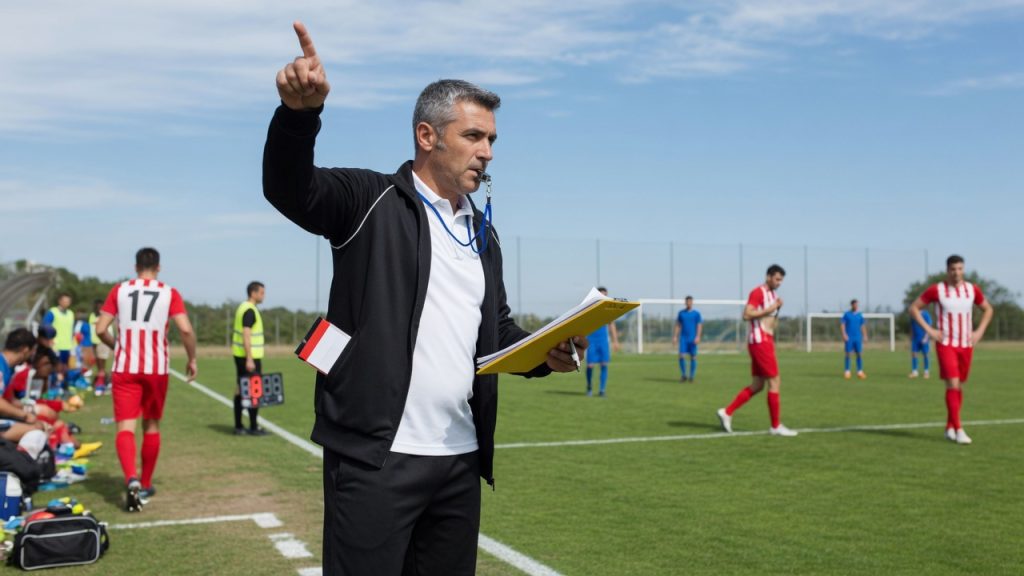
Effective team communication is crucial when managing substitutions in soccer, ensuring that players are well-informed about upcoming changes and tactical adjustments. Coaches and team leaders use clear substitution signals to minimize confusion and maintain the flow of the game. These signals often include hand gestures, verbal cues, or the use of visible substitution boards, which can quickly alert players on the field without disrupting play.

On-field instructions also play a vital role in communicating tactical changes related to substitutions. Players who are about to be substituted off may relay important information to their teammates about the current game dynamics or strategic shifts initiated by the coach. This ongoing communication helps the team adapt seamlessly to the new lineup and maintain their tactical formation. Additionally, substitutes should stay alert and ready, recognizing the substitution signals and positioning themselves accordingly for a smooth transition.

Utilizing effective substitution signals and maintaining open lines of communication not only enhances coordination but also boosts team confidence. When every player understands their role and the timing of the substitution, the entire squad can operate more cohesively. This approach helps avoid misunderstandings on the pitch and supports the team’s overall performance by allowing tactical changes to be implemented smoothly and efficiently.

Another critical reason for substitutions is injury substitution. When a player is injured, a substitution ensures that the team can continue playing without disadvantage while the injured player receives necessary medical attention. Injury substitutions are often urgent and can disrupt the coach’s original tactical plan, requiring quick readjustments.

Substitutions can also serve strategic purposes. Coaches might make tactical changes by bringing on players with specific skills that better suit the evolving state of the match. For example, adding an extra defender to protect a lead, or introducing a speedy forward to press the opposition’s defense. This form of game management is essential for adapting to the flow and demands of the match.

Additionally, substitutions are used to manage the overall workload of players, especially in congested fixture schedules. Proper substitution strategies can help prevent injuries, optimize team performance, and enhance player longevity throughout the season.

Types of Substitution Strategies

In soccer, substitution strategies play a crucial role in influencing the outcome of the game. Coaches typically employ three main types of substitutions: offensive substitutions, defensive substitutions, and those aimed at maintaining game control or game management. Offensive substitutions are used to inject fresh attacking energy into the team. This might involve bringing on faster forwards or more creative midfielders to increase goal-scoring opportunities or to break down a stubborn defense. These changes are often made when a team is chasing the game or looking to capitalize on a lead by increasing their offensive pressure.

Defensive substitutions, on the other hand, focus on strengthening the team’s defense. Coaches may introduce more disciplined defenders or defensive midfielders to protect a lead, reduce the risk of conceding goals, or stabilize the team’s structure. These substitutions are strategic in nature, aiming to close down spaces and disrupt the opponent’s attacking rhythm. They are especially common in the latter stages of a match when preserving a result is paramount.

Finally, substitutions for game management are designed to maintain control over the pace and flow of the match. These might include bringing on players who can slow down the tempo, maintain possession, or give the team a psychological edge through fresh legs and experience. This form of substitution helps manage the clock and limit the opponent’s chances, often used to conserve energy and organize the team effectively until the final whistle. Balancing these substitution strategies is key to successful game management.

Effective Timing and Impact of Substitutions

In soccer, the strategic timing of substitutions can significantly influence the dynamics and eventual outcome of a match. Understanding substitution timing is crucial for coaches aiming to maximize their team’s performance at critical moments. A well-timed substitution can alter the flow of the game, inject fresh energy, and shift momentum in favor of the team.

The timing of substitutions is often guided by the current state of play, player fatigue, tactical adjustments, or injuries. Early substitutions may catch opponents off guard, while late-game changes are frequently used to protect a lead or relentlessly pursue a goal. Each substitution has the potential to either stabilize a team’s rhythm or disrupt the opposition’s strategy, thereby impacting the overall match momentum.

One of the most impactful moments to introduce a substitute is during a lull in the game when momentum has stalled. A fresh player can reinvigorate the team, boosting morale and pressuring the opponent. Conversely, substitutions made too late may not afford the new player enough time to effect change, reducing the substitution’s match impact.

Furthermore, substitutions provide an opportunity to adjust tactics on the fly. For instance, bringing on an additional attacker when chasing a goal or introducing a defensive specialist to hold a narrow lead can decisively influence the match’s progression. Coaches must gauge the perfect moment to make these decisions, balancing risk and reward effectively.

In summary, the timing of substitutions is a powerful tool in a coach’s arsenal. It can shift the momentum of a game, enhance team performance, and ultimately affect the final result. Mastering this aspect of game management often distinguishes successful teams and underscores the art of soccer strategy.

Early vs. Late Substitutions

Understanding when to make substitutions can dramatically influence a match’s outcome. Coaches must carefully weigh the benefits of an early substitution against saving their changes for a late substitution, as each approach carries distinct advantages depending on the game phase.

An early substitution typically occurs within the first 60 minutes of play. This strategy proves advantageous when a player underperforms, picks up an injury, or when tactical adjustments are urgently needed. Making changes early allows the fresh player more time to impact the game and integrate with teammates. Additionally, an early substitution can shift momentum before the opposition gains significant control. However, the downside includes losing flexibility for unexpected situations later in the match, such as additional injuries or the need for defensive reinforcement.

Conversely, a late substitution brings fresh energy during the final game phase when opponents are fatigued. This approach is particularly effective for protecting a lead, chasing an equalizer, or introducing specialized players for set pieces. The element of surprise also works in favor of late changes, as opponents have less time to adapt. The primary disadvantage lies in the reduced time for substitutes to make meaningful contributions or find their rhythm within the team structure.

Ultimately, successful coaches recognize that neither strategy is universally superior. The decision between an early substitution and a late substitution depends on scoreline, player conditions, opponent tactics, and remaining match time. Mastering this balance separates good coaches from great ones.

Substitutions to Shift Momentum

In soccer, substitutions play a crucial role in managing the flow of the game, especially when a momentum shift is needed. Coaches strategically use in-game adjustments by introducing fresh players to influence the match’s pace and intensity. These changes are particularly vital during critical moments when the team requires a performance boost to either maintain a lead or recover from a setback.

By bringing new energy onto the field, substitutions can disrupt the opposing team’s rhythm and restore the momentum in favor of the side making the change. Fresh players often bring renewed aggression, quicker reactions, and a fresh tactical approach that can invigorate the team’s overall performance. This tactical maneuver allows the coach to address weaknesses observed during the game or exploit emerging opportunities.

Timing is everything when it comes to momentum shifts. Effective substitutions are not just about replacing tired legs; they are about thinking ahead and making precise alterations that can turn the tide in a match. Whether it’s injecting pace, shoring up defense, or adding offensive firepower, these in-game adjustments often prove decisive in the final outcome. Thus, substitutions remain one of the most powerful tools to achieve a performance boost exactly when it matters the most.

Best Practices for Planning Soccer Substitutions

Effective substitution planning is a critical aspect of soccer coaching that can significantly impact the outcome of a match. Coaches must approach substitution planning with a clear strategy, balancing player management and tactical adjustments. A well-thought-out substitution plan allows the team to maintain energy levels, adapt to changing game dynamics, and address any unforeseen challenges on the field.

One of the first steps in substitution planning is understanding the strengths and weaknesses of each player. Coaches should evaluate players not only based on their technical skills but also their physical condition, mental readiness, and suitability for various tactical roles. This comprehensive player management approach ensures that substitutions enhance team performance instead of disrupting it.

Timing is crucial in executing substitutions effectively. Coaches should avoid making changes too early, which might waste valuable substitution opportunities, or too late, which could leave the team vulnerable when players tire or face injuries. Monitoring the flow of the game and understanding when fresh legs can make a difference is a key coach strategy that can tilt the balance in favor of the team.

Another important best practice is to prepare multiple substitution scenarios before the match. This preparation involves anticipating various game situations, such as trailing, leading, or needing to defend a narrow advantage. Having contingency plans allows coaches to respond swiftly and decisively, making substitution decisions that align with the evolving needs of the match.

Communication also plays a pivotal role in successful substitution planning. Coaches should ensure that players understand their roles when coming on or off the pitch and what tactical changes the substitutions are intended to achieve. Clear and concise communication can help players adjust quickly and maintain team cohesion during transitions.

Lastly, leveraging data and performance analytics can enhance substitution planning. Coaches who use metrics related to player fatigue, performance trends, and opponent weaknesses can make more informed decisions. Incorporating technology into coach strategies offers a competitive edge by optimizing when and who to substitute.

In summary, substitution planning in soccer demands a combination of careful player management, strategic timing, clear communication, and data-driven insights. By following these best practices, coaches can maximize their substitution effectiveness, maintain team resilience, and improve their chances of achieving favorable match outcomes.

Analyzing Player Performance and Fitness

Coaches rely heavily on player analysis and fitness monitoring to make informed substitution decisions during a soccer match. By closely tracking performance metrics such as distance covered, sprint count, heart rate, and recovery times, they gain crucial insights into each player’s physical condition and overall effectiveness on the pitch. These data points allow coaches to identify signs of fatigue or decreased performance levels before they become apparent visually.

Modern technology, including GPS trackers and heart rate monitors, enables real-time monitoring of fitness levels, allowing the technical team to assess the optimal moment for a substitution. Player analysis also involves reviewing tactical impact and how well individuals execute their roles under current match conditions. This comprehensive evaluation helps in anticipating the need for fresh legs or strategic changes to maintain the team’s competitive edge.

Effective use of performance metrics not only reduces injury risk by preventing overexertion but also enhances overall team dynamics by ensuring players remain at their peak fitness. Consequently, substitution decisions are strategically timed, balancing individual wellness and team performance goals. This meticulous approach to player analysis and fitness monitoring is critical for sustained success throughout the high demands of a soccer season.

Communicating Substitutions with the Team

Effective team communication is crucial when managing substitutions in soccer, ensuring that players are well-informed about upcoming changes and tactical adjustments. Coaches and team leaders use clear substitution signals to minimize confusion and maintain the flow of the game. These signals often include hand gestures, verbal cues, or the use of visible substitution boards, which can quickly alert players on the field without disrupting play.

On-field instructions also play a vital role in communicating tactical changes related to substitutions. Players who are about to be substituted off may relay important information to their teammates about the current game dynamics or strategic shifts initiated by the coach. This ongoing communication helps the team adapt seamlessly to the new lineup and maintain their tactical formation. Additionally, substitutes should stay alert and ready, recognizing the substitution signals and positioning themselves accordingly for a smooth transition.

Utilizing effective substitution signals and maintaining open lines of communication not only enhances coordination but also boosts team confidence. When every player understands their role and the timing of the substitution, the entire squad can operate more cohesively. This approach helps avoid misunderstandings on the pitch and supports the team’s overall performance by allowing tactical changes to be implemented smoothly and efficiently.

Another critical reason for substitutions is injury substitution. When a player is injured, a substitution ensures that the team can continue playing without disadvantage while the injured player receives necessary medical attention. Injury substitutions are often urgent and can disrupt the coach’s original tactical plan, requiring quick readjustments.

Substitutions can also serve strategic purposes. Coaches might make tactical changes by bringing on players with specific skills that better suit the evolving state of the match. For example, adding an extra defender to protect a lead, or introducing a speedy forward to press the opposition’s defense. This form of game management is essential for adapting to the flow and demands of the match.

Additionally, substitutions are used to manage the overall workload of players, especially in congested fixture schedules. Proper substitution strategies can help prevent injuries, optimize team performance, and enhance player longevity throughout the season.

Types of Substitution Strategies

In soccer, substitution strategies play a crucial role in influencing the outcome of the game. Coaches typically employ three main types of substitutions: offensive substitutions, defensive substitutions, and those aimed at maintaining game control or game management. Offensive substitutions are used to inject fresh attacking energy into the team. This might involve bringing on faster forwards or more creative midfielders to increase goal-scoring opportunities or to break down a stubborn defense. These changes are often made when a team is chasing the game or looking to capitalize on a lead by increasing their offensive pressure.

Defensive substitutions, on the other hand, focus on strengthening the team’s defense. Coaches may introduce more disciplined defenders or defensive midfielders to protect a lead, reduce the risk of conceding goals, or stabilize the team’s structure. These substitutions are strategic in nature, aiming to close down spaces and disrupt the opponent’s attacking rhythm. They are especially common in the latter stages of a match when preserving a result is paramount.

Finally, substitutions for game management are designed to maintain control over the pace and flow of the match. These might include bringing on players who can slow down the tempo, maintain possession, or give the team a psychological edge through fresh legs and experience. This form of substitution helps manage the clock and limit the opponent’s chances, often used to conserve energy and organize the team effectively until the final whistle. Balancing these substitution strategies is key to successful game management.

Effective Timing and Impact of Substitutions

In soccer, the strategic timing of substitutions can significantly influence the dynamics and eventual outcome of a match. Understanding substitution timing is crucial for coaches aiming to maximize their team’s performance at critical moments. A well-timed substitution can alter the flow of the game, inject fresh energy, and shift momentum in favor of the team.

The timing of substitutions is often guided by the current state of play, player fatigue, tactical adjustments, or injuries. Early substitutions may catch opponents off guard, while late-game changes are frequently used to protect a lead or relentlessly pursue a goal. Each substitution has the potential to either stabilize a team’s rhythm or disrupt the opposition’s strategy, thereby impacting the overall match momentum.

One of the most impactful moments to introduce a substitute is during a lull in the game when momentum has stalled. A fresh player can reinvigorate the team, boosting morale and pressuring the opponent. Conversely, substitutions made too late may not afford the new player enough time to effect change, reducing the substitution’s match impact.

Furthermore, substitutions provide an opportunity to adjust tactics on the fly. For instance, bringing on an additional attacker when chasing a goal or introducing a defensive specialist to hold a narrow lead can decisively influence the match’s progression. Coaches must gauge the perfect moment to make these decisions, balancing risk and reward effectively.

In summary, the timing of substitutions is a powerful tool in a coach’s arsenal. It can shift the momentum of a game, enhance team performance, and ultimately affect the final result. Mastering this aspect of game management often distinguishes successful teams and underscores the art of soccer strategy.

Early vs. Late Substitutions

Understanding when to make substitutions can dramatically influence a match’s outcome. Coaches must carefully weigh the benefits of an early substitution against saving their changes for a late substitution, as each approach carries distinct advantages depending on the game phase.

An early substitution typically occurs within the first 60 minutes of play. This strategy proves advantageous when a player underperforms, picks up an injury, or when tactical adjustments are urgently needed. Making changes early allows the fresh player more time to impact the game and integrate with teammates. Additionally, an early substitution can shift momentum before the opposition gains significant control. However, the downside includes losing flexibility for unexpected situations later in the match, such as additional injuries or the need for defensive reinforcement.

Conversely, a late substitution brings fresh energy during the final game phase when opponents are fatigued. This approach is particularly effective for protecting a lead, chasing an equalizer, or introducing specialized players for set pieces. The element of surprise also works in favor of late changes, as opponents have less time to adapt. The primary disadvantage lies in the reduced time for substitutes to make meaningful contributions or find their rhythm within the team structure.

Ultimately, successful coaches recognize that neither strategy is universally superior. The decision between an early substitution and a late substitution depends on scoreline, player conditions, opponent tactics, and remaining match time. Mastering this balance separates good coaches from great ones.

Substitutions to Shift Momentum

In soccer, substitutions play a crucial role in managing the flow of the game, especially when a momentum shift is needed. Coaches strategically use in-game adjustments by introducing fresh players to influence the match’s pace and intensity. These changes are particularly vital during critical moments when the team requires a performance boost to either maintain a lead or recover from a setback.

By bringing new energy onto the field, substitutions can disrupt the opposing team’s rhythm and restore the momentum in favor of the side making the change. Fresh players often bring renewed aggression, quicker reactions, and a fresh tactical approach that can invigorate the team’s overall performance. This tactical maneuver allows the coach to address weaknesses observed during the game or exploit emerging opportunities.

Timing is everything when it comes to momentum shifts. Effective substitutions are not just about replacing tired legs; they are about thinking ahead and making precise alterations that can turn the tide in a match. Whether it’s injecting pace, shoring up defense, or adding offensive firepower, these in-game adjustments often prove decisive in the final outcome. Thus, substitutions remain one of the most powerful tools to achieve a performance boost exactly when it matters the most.

Best Practices for Planning Soccer Substitutions

Effective substitution planning is a critical aspect of soccer coaching that can significantly impact the outcome of a match. Coaches must approach substitution planning with a clear strategy, balancing player management and tactical adjustments. A well-thought-out substitution plan allows the team to maintain energy levels, adapt to changing game dynamics, and address any unforeseen challenges on the field.

One of the first steps in substitution planning is understanding the strengths and weaknesses of each player. Coaches should evaluate players not only based on their technical skills but also their physical condition, mental readiness, and suitability for various tactical roles. This comprehensive player management approach ensures that substitutions enhance team performance instead of disrupting it.

Timing is crucial in executing substitutions effectively. Coaches should avoid making changes too early, which might waste valuable substitution opportunities, or too late, which could leave the team vulnerable when players tire or face injuries. Monitoring the flow of the game and understanding when fresh legs can make a difference is a key coach strategy that can tilt the balance in favor of the team.

Another important best practice is to prepare multiple substitution scenarios before the match. This preparation involves anticipating various game situations, such as trailing, leading, or needing to defend a narrow advantage. Having contingency plans allows coaches to respond swiftly and decisively, making substitution decisions that align with the evolving needs of the match.

Communication also plays a pivotal role in successful substitution planning. Coaches should ensure that players understand their roles when coming on or off the pitch and what tactical changes the substitutions are intended to achieve. Clear and concise communication can help players adjust quickly and maintain team cohesion during transitions.

Lastly, leveraging data and performance analytics can enhance substitution planning. Coaches who use metrics related to player fatigue, performance trends, and opponent weaknesses can make more informed decisions. Incorporating technology into coach strategies offers a competitive edge by optimizing when and who to substitute.

In summary, substitution planning in soccer demands a combination of careful player management, strategic timing, clear communication, and data-driven insights. By following these best practices, coaches can maximize their substitution effectiveness, maintain team resilience, and improve their chances of achieving favorable match outcomes.

Analyzing Player Performance and Fitness

Coaches rely heavily on player analysis and fitness monitoring to make informed substitution decisions during a soccer match. By closely tracking performance metrics such as distance covered, sprint count, heart rate, and recovery times, they gain crucial insights into each player’s physical condition and overall effectiveness on the pitch. These data points allow coaches to identify signs of fatigue or decreased performance levels before they become apparent visually.

Modern technology, including GPS trackers and heart rate monitors, enables real-time monitoring of fitness levels, allowing the technical team to assess the optimal moment for a substitution. Player analysis also involves reviewing tactical impact and how well individuals execute their roles under current match conditions. This comprehensive evaluation helps in anticipating the need for fresh legs or strategic changes to maintain the team’s competitive edge.

Effective use of performance metrics not only reduces injury risk by preventing overexertion but also enhances overall team dynamics by ensuring players remain at their peak fitness. Consequently, substitution decisions are strategically timed, balancing individual wellness and team performance goals. This meticulous approach to player analysis and fitness monitoring is critical for sustained success throughout the high demands of a soccer season.

Communicating Substitutions with the Team

Effective team communication is crucial when managing substitutions in soccer, ensuring that players are well-informed about upcoming changes and tactical adjustments. Coaches and team leaders use clear substitution signals to minimize confusion and maintain the flow of the game. These signals often include hand gestures, verbal cues, or the use of visible substitution boards, which can quickly alert players on the field without disrupting play.

On-field instructions also play a vital role in communicating tactical changes related to substitutions. Players who are about to be substituted off may relay important information to their teammates about the current game dynamics or strategic shifts initiated by the coach. This ongoing communication helps the team adapt seamlessly to the new lineup and maintain their tactical formation. Additionally, substitutes should stay alert and ready, recognizing the substitution signals and positioning themselves accordingly for a smooth transition.

Utilizing effective substitution signals and maintaining open lines of communication not only enhances coordination but also boosts team confidence. When every player understands their role and the timing of the substitution, the entire squad can operate more cohesively. This approach helps avoid misunderstandings on the pitch and supports the team’s overall performance by allowing tactical changes to be implemented smoothly and efficiently.

Understanding Substitution Strategies in Soccer

Substitution strategies in soccer are an essential part of the game’s tactics, allowing coaches to influence the match dynamically. Soccer substitutions occur when a player is replaced with another from the bench, and this can happen for various reasons including fatigue, injury, performance issues, or tactical adjustments. Understanding the basics of when and why substitutions happen is key to appreciating their tactical importance within the sport.

Typically, substitutions are made at strategic points in the game, often during stoppages or at half-time. In professional soccer, teams are usually allowed a limited number of substitutions, often three during regular play, which means coaches must carefully consider each change. Substituting players can help maintain the team’s energy levels, especially as the game progresses and fatigue becomes a significant factor. Bringing in fresh legs can enhance both offensive and defensive performance.

Another critical reason for soccer substitutions is to adjust the team’s tactical approach. Coaches may decide to switch formations or players’ roles to adapt to the opposing team’s strengths or weaknesses. For example, a defensive player might be replaced by an attacker to increase offensive pressure when chasing a goal. Conversely, bringing on a defensive-minded player can help preserve a lead late in the match. This strategic use of substitutions can be decisive in controlling the flow and outcome of the game.

In addition to physical and tactical reasons, substitutions can also serve psychological purposes. Introducing a new player can boost the team’s morale or disrupt the opposition’s momentum. The timing of substitutions is often a tactical move in itself, aiming to create new dynamics on the field. Coaches use detailed analysis and real-time observations to decide the optimal moment for substitutions, making it a complex yet vital component of soccer tactics.

In conclusion, soccer substitutions are much more than simple player changes. They are strategic tools that affect the quality, pace, and direction of a match. Whether for managing player fitness, addressing tactical needs, or influencing the psychological aspect of the game, substitution strategies play a crucial role in modern soccer tactics.

Reasons for Making Substitutions

Coaches make substitutions in soccer for several key reasons, primarily to maintain the team’s performance and tactical edge. One of the most common substitution reasons is player fatigue. As the game progresses, players tire, which can affect their speed, decision-making, and overall effectiveness on the field. Introducing fresh players helps to restore energy levels and maintain the intensity of play.

Another critical reason for substitutions is injury substitution. When a player is injured, a substitution ensures that the team can continue playing without disadvantage while the injured player receives necessary medical attention. Injury substitutions are often urgent and can disrupt the coach’s original tactical plan, requiring quick readjustments.

Substitutions can also serve strategic purposes. Coaches might make tactical changes by bringing on players with specific skills that better suit the evolving state of the match. For example, adding an extra defender to protect a lead, or introducing a speedy forward to press the opposition’s defense. This form of game management is essential for adapting to the flow and demands of the match.

Additionally, substitutions are used to manage the overall workload of players, especially in congested fixture schedules. Proper substitution strategies can help prevent injuries, optimize team performance, and enhance player longevity throughout the season.

Types of Substitution Strategies

In soccer, substitution strategies play a crucial role in influencing the outcome of the game. Coaches typically employ three main types of substitutions: offensive substitutions, defensive substitutions, and those aimed at maintaining game control or game management. Offensive substitutions are used to inject fresh attacking energy into the team. This might involve bringing on faster forwards or more creative midfielders to increase goal-scoring opportunities or to break down a stubborn defense. These changes are often made when a team is chasing the game or looking to capitalize on a lead by increasing their offensive pressure.

Defensive substitutions, on the other hand, focus on strengthening the team’s defense. Coaches may introduce more disciplined defenders or defensive midfielders to protect a lead, reduce the risk of conceding goals, or stabilize the team’s structure. These substitutions are strategic in nature, aiming to close down spaces and disrupt the opponent’s attacking rhythm. They are especially common in the latter stages of a match when preserving a result is paramount.

Finally, substitutions for game management are designed to maintain control over the pace and flow of the match. These might include bringing on players who can slow down the tempo, maintain possession, or give the team a psychological edge through fresh legs and experience. This form of substitution helps manage the clock and limit the opponent’s chances, often used to conserve energy and organize the team effectively until the final whistle. Balancing these substitution strategies is key to successful game management.

Effective Timing and Impact of Substitutions

In soccer, the strategic timing of substitutions can significantly influence the dynamics and eventual outcome of a match. Understanding substitution timing is crucial for coaches aiming to maximize their team’s performance at critical moments. A well-timed substitution can alter the flow of the game, inject fresh energy, and shift momentum in favor of the team.

The timing of substitutions is often guided by the current state of play, player fatigue, tactical adjustments, or injuries. Early substitutions may catch opponents off guard, while late-game changes are frequently used to protect a lead or relentlessly pursue a goal. Each substitution has the potential to either stabilize a team’s rhythm or disrupt the opposition’s strategy, thereby impacting the overall match momentum.

One of the most impactful moments to introduce a substitute is during a lull in the game when momentum has stalled. A fresh player can reinvigorate the team, boosting morale and pressuring the opponent. Conversely, substitutions made too late may not afford the new player enough time to effect change, reducing the substitution’s match impact.

Furthermore, substitutions provide an opportunity to adjust tactics on the fly. For instance, bringing on an additional attacker when chasing a goal or introducing a defensive specialist to hold a narrow lead can decisively influence the match’s progression. Coaches must gauge the perfect moment to make these decisions, balancing risk and reward effectively.

In summary, the timing of substitutions is a powerful tool in a coach’s arsenal. It can shift the momentum of a game, enhance team performance, and ultimately affect the final result. Mastering this aspect of game management often distinguishes successful teams and underscores the art of soccer strategy.

Early vs. Late Substitutions

Understanding when to make substitutions can dramatically influence a match’s outcome. Coaches must carefully weigh the benefits of an early substitution against saving their changes for a late substitution, as each approach carries distinct advantages depending on the game phase.

An early substitution typically occurs within the first 60 minutes of play. This strategy proves advantageous when a player underperforms, picks up an injury, or when tactical adjustments are urgently needed. Making changes early allows the fresh player more time to impact the game and integrate with teammates. Additionally, an early substitution can shift momentum before the opposition gains significant control. However, the downside includes losing flexibility for unexpected situations later in the match, such as additional injuries or the need for defensive reinforcement.

Conversely, a late substitution brings fresh energy during the final game phase when opponents are fatigued. This approach is particularly effective for protecting a lead, chasing an equalizer, or introducing specialized players for set pieces. The element of surprise also works in favor of late changes, as opponents have less time to adapt. The primary disadvantage lies in the reduced time for substitutes to make meaningful contributions or find their rhythm within the team structure.

Ultimately, successful coaches recognize that neither strategy is universally superior. The decision between an early substitution and a late substitution depends on scoreline, player conditions, opponent tactics, and remaining match time. Mastering this balance separates good coaches from great ones.

Substitutions to Shift Momentum

In soccer, substitutions play a crucial role in managing the flow of the game, especially when a momentum shift is needed. Coaches strategically use in-game adjustments by introducing fresh players to influence the match’s pace and intensity. These changes are particularly vital during critical moments when the team requires a performance boost to either maintain a lead or recover from a setback.

By bringing new energy onto the field, substitutions can disrupt the opposing team’s rhythm and restore the momentum in favor of the side making the change. Fresh players often bring renewed aggression, quicker reactions, and a fresh tactical approach that can invigorate the team’s overall performance. This tactical maneuver allows the coach to address weaknesses observed during the game or exploit emerging opportunities.

Timing is everything when it comes to momentum shifts. Effective substitutions are not just about replacing tired legs; they are about thinking ahead and making precise alterations that can turn the tide in a match. Whether it’s injecting pace, shoring up defense, or adding offensive firepower, these in-game adjustments often prove decisive in the final outcome. Thus, substitutions remain one of the most powerful tools to achieve a performance boost exactly when it matters the most.

Best Practices for Planning Soccer Substitutions

Effective substitution planning is a critical aspect of soccer coaching that can significantly impact the outcome of a match. Coaches must approach substitution planning with a clear strategy, balancing player management and tactical adjustments. A well-thought-out substitution plan allows the team to maintain energy levels, adapt to changing game dynamics, and address any unforeseen challenges on the field.

One of the first steps in substitution planning is understanding the strengths and weaknesses of each player. Coaches should evaluate players not only based on their technical skills but also their physical condition, mental readiness, and suitability for various tactical roles. This comprehensive player management approach ensures that substitutions enhance team performance instead of disrupting it.

Timing is crucial in executing substitutions effectively. Coaches should avoid making changes too early, which might waste valuable substitution opportunities, or too late, which could leave the team vulnerable when players tire or face injuries. Monitoring the flow of the game and understanding when fresh legs can make a difference is a key coach strategy that can tilt the balance in favor of the team.

Another important best practice is to prepare multiple substitution scenarios before the match. This preparation involves anticipating various game situations, such as trailing, leading, or needing to defend a narrow advantage. Having contingency plans allows coaches to respond swiftly and decisively, making substitution decisions that align with the evolving needs of the match.

Communication also plays a pivotal role in successful substitution planning. Coaches should ensure that players understand their roles when coming on or off the pitch and what tactical changes the substitutions are intended to achieve. Clear and concise communication can help players adjust quickly and maintain team cohesion during transitions.

Lastly, leveraging data and performance analytics can enhance substitution planning. Coaches who use metrics related to player fatigue, performance trends, and opponent weaknesses can make more informed decisions. Incorporating technology into coach strategies offers a competitive edge by optimizing when and who to substitute.

In summary, substitution planning in soccer demands a combination of careful player management, strategic timing, clear communication, and data-driven insights. By following these best practices, coaches can maximize their substitution effectiveness, maintain team resilience, and improve their chances of achieving favorable match outcomes.

Analyzing Player Performance and Fitness

Coaches rely heavily on player analysis and fitness monitoring to make informed substitution decisions during a soccer match. By closely tracking performance metrics such as distance covered, sprint count, heart rate, and recovery times, they gain crucial insights into each player’s physical condition and overall effectiveness on the pitch. These data points allow coaches to identify signs of fatigue or decreased performance levels before they become apparent visually.

Modern technology, including GPS trackers and heart rate monitors, enables real-time monitoring of fitness levels, allowing the technical team to assess the optimal moment for a substitution. Player analysis also involves reviewing tactical impact and how well individuals execute their roles under current match conditions. This comprehensive evaluation helps in anticipating the need for fresh legs or strategic changes to maintain the team’s competitive edge.

Effective use of performance metrics not only reduces injury risk by preventing overexertion but also enhances overall team dynamics by ensuring players remain at their peak fitness. Consequently, substitution decisions are strategically timed, balancing individual wellness and team performance goals. This meticulous approach to player analysis and fitness monitoring is critical for sustained success throughout the high demands of a soccer season.

Communicating Substitutions with the Team

Effective team communication is crucial when managing substitutions in soccer, ensuring that players are well-informed about upcoming changes and tactical adjustments. Coaches and team leaders use clear substitution signals to minimize confusion and maintain the flow of the game. These signals often include hand gestures, verbal cues, or the use of visible substitution boards, which can quickly alert players on the field without disrupting play.

On-field instructions also play a vital role in communicating tactical changes related to substitutions. Players who are about to be substituted off may relay important information to their teammates about the current game dynamics or strategic shifts initiated by the coach. This ongoing communication helps the team adapt seamlessly to the new lineup and maintain their tactical formation. Additionally, substitutes should stay alert and ready, recognizing the substitution signals and positioning themselves accordingly for a smooth transition.

Utilizing effective substitution signals and maintaining open lines of communication not only enhances coordination but also boosts team confidence. When every player understands their role and the timing of the substitution, the entire squad can operate more cohesively. This approach helps avoid misunderstandings on the pitch and supports the team’s overall performance by allowing tactical changes to be implemented smoothly and efficiently.

Another critical reason for substitutions is injury substitution. When a player is injured, a substitution ensures that the team can continue playing without disadvantage while the injured player receives necessary medical attention. Injury substitutions are often urgent and can disrupt the coach’s original tactical plan, requiring quick readjustments.

Substitutions can also serve strategic purposes. Coaches might make tactical changes by bringing on players with specific skills that better suit the evolving state of the match. For example, adding an extra defender to protect a lead, or introducing a speedy forward to press the opposition’s defense. This form of game management is essential for adapting to the flow and demands of the match.

Additionally, substitutions are used to manage the overall workload of players, especially in congested fixture schedules. Proper substitution strategies can help prevent injuries, optimize team performance, and enhance player longevity throughout the season.

Types of Substitution Strategies

In soccer, substitution strategies play a crucial role in influencing the outcome of the game. Coaches typically employ three main types of substitutions: offensive substitutions, defensive substitutions, and those aimed at maintaining game control or game management. Offensive substitutions are used to inject fresh attacking energy into the team. This might involve bringing on faster forwards or more creative midfielders to increase goal-scoring opportunities or to break down a stubborn defense. These changes are often made when a team is chasing the game or looking to capitalize on a lead by increasing their offensive pressure.

Defensive substitutions, on the other hand, focus on strengthening the team’s defense. Coaches may introduce more disciplined defenders or defensive midfielders to protect a lead, reduce the risk of conceding goals, or stabilize the team’s structure. These substitutions are strategic in nature, aiming to close down spaces and disrupt the opponent’s attacking rhythm. They are especially common in the latter stages of a match when preserving a result is paramount.

Finally, substitutions for game management are designed to maintain control over the pace and flow of the match. These might include bringing on players who can slow down the tempo, maintain possession, or give the team a psychological edge through fresh legs and experience. This form of substitution helps manage the clock and limit the opponent’s chances, often used to conserve energy and organize the team effectively until the final whistle. Balancing these substitution strategies is key to successful game management.

Effective Timing and Impact of Substitutions

In soccer, the strategic timing of substitutions can significantly influence the dynamics and eventual outcome of a match. Understanding substitution timing is crucial for coaches aiming to maximize their team’s performance at critical moments. A well-timed substitution can alter the flow of the game, inject fresh energy, and shift momentum in favor of the team.

The timing of substitutions is often guided by the current state of play, player fatigue, tactical adjustments, or injuries. Early substitutions may catch opponents off guard, while late-game changes are frequently used to protect a lead or relentlessly pursue a goal. Each substitution has the potential to either stabilize a team’s rhythm or disrupt the opposition’s strategy, thereby impacting the overall match momentum.

One of the most impactful moments to introduce a substitute is during a lull in the game when momentum has stalled. A fresh player can reinvigorate the team, boosting morale and pressuring the opponent. Conversely, substitutions made too late may not afford the new player enough time to effect change, reducing the substitution’s match impact.

Furthermore, substitutions provide an opportunity to adjust tactics on the fly. For instance, bringing on an additional attacker when chasing a goal or introducing a defensive specialist to hold a narrow lead can decisively influence the match’s progression. Coaches must gauge the perfect moment to make these decisions, balancing risk and reward effectively.

In summary, the timing of substitutions is a powerful tool in a coach’s arsenal. It can shift the momentum of a game, enhance team performance, and ultimately affect the final result. Mastering this aspect of game management often distinguishes successful teams and underscores the art of soccer strategy.

Early vs. Late Substitutions

Understanding when to make substitutions can dramatically influence a match’s outcome. Coaches must carefully weigh the benefits of an early substitution against saving their changes for a late substitution, as each approach carries distinct advantages depending on the game phase.

An early substitution typically occurs within the first 60 minutes of play. This strategy proves advantageous when a player underperforms, picks up an injury, or when tactical adjustments are urgently needed. Making changes early allows the fresh player more time to impact the game and integrate with teammates. Additionally, an early substitution can shift momentum before the opposition gains significant control. However, the downside includes losing flexibility for unexpected situations later in the match, such as additional injuries or the need for defensive reinforcement.

Conversely, a late substitution brings fresh energy during the final game phase when opponents are fatigued. This approach is particularly effective for protecting a lead, chasing an equalizer, or introducing specialized players for set pieces. The element of surprise also works in favor of late changes, as opponents have less time to adapt. The primary disadvantage lies in the reduced time for substitutes to make meaningful contributions or find their rhythm within the team structure.

Ultimately, successful coaches recognize that neither strategy is universally superior. The decision between an early substitution and a late substitution depends on scoreline, player conditions, opponent tactics, and remaining match time. Mastering this balance separates good coaches from great ones.

Substitutions to Shift Momentum

In soccer, substitutions play a crucial role in managing the flow of the game, especially when a momentum shift is needed. Coaches strategically use in-game adjustments by introducing fresh players to influence the match’s pace and intensity. These changes are particularly vital during critical moments when the team requires a performance boost to either maintain a lead or recover from a setback.

By bringing new energy onto the field, substitutions can disrupt the opposing team’s rhythm and restore the momentum in favor of the side making the change. Fresh players often bring renewed aggression, quicker reactions, and a fresh tactical approach that can invigorate the team’s overall performance. This tactical maneuver allows the coach to address weaknesses observed during the game or exploit emerging opportunities.

Timing is everything when it comes to momentum shifts. Effective substitutions are not just about replacing tired legs; they are about thinking ahead and making precise alterations that can turn the tide in a match. Whether it’s injecting pace, shoring up defense, or adding offensive firepower, these in-game adjustments often prove decisive in the final outcome. Thus, substitutions remain one of the most powerful tools to achieve a performance boost exactly when it matters the most.

Best Practices for Planning Soccer Substitutions

Effective substitution planning is a critical aspect of soccer coaching that can significantly impact the outcome of a match. Coaches must approach substitution planning with a clear strategy, balancing player management and tactical adjustments. A well-thought-out substitution plan allows the team to maintain energy levels, adapt to changing game dynamics, and address any unforeseen challenges on the field.

One of the first steps in substitution planning is understanding the strengths and weaknesses of each player. Coaches should evaluate players not only based on their technical skills but also their physical condition, mental readiness, and suitability for various tactical roles. This comprehensive player management approach ensures that substitutions enhance team performance instead of disrupting it.

Timing is crucial in executing substitutions effectively. Coaches should avoid making changes too early, which might waste valuable substitution opportunities, or too late, which could leave the team vulnerable when players tire or face injuries. Monitoring the flow of the game and understanding when fresh legs can make a difference is a key coach strategy that can tilt the balance in favor of the team.

Another important best practice is to prepare multiple substitution scenarios before the match. This preparation involves anticipating various game situations, such as trailing, leading, or needing to defend a narrow advantage. Having contingency plans allows coaches to respond swiftly and decisively, making substitution decisions that align with the evolving needs of the match.

Communication also plays a pivotal role in successful substitution planning. Coaches should ensure that players understand their roles when coming on or off the pitch and what tactical changes the substitutions are intended to achieve. Clear and concise communication can help players adjust quickly and maintain team cohesion during transitions.

Lastly, leveraging data and performance analytics can enhance substitution planning. Coaches who use metrics related to player fatigue, performance trends, and opponent weaknesses can make more informed decisions. Incorporating technology into coach strategies offers a competitive edge by optimizing when and who to substitute.

In summary, substitution planning in soccer demands a combination of careful player management, strategic timing, clear communication, and data-driven insights. By following these best practices, coaches can maximize their substitution effectiveness, maintain team resilience, and improve their chances of achieving favorable match outcomes.

Analyzing Player Performance and Fitness

Coaches rely heavily on player analysis and fitness monitoring to make informed substitution decisions during a soccer match. By closely tracking performance metrics such as distance covered, sprint count, heart rate, and recovery times, they gain crucial insights into each player’s physical condition and overall effectiveness on the pitch. These data points allow coaches to identify signs of fatigue or decreased performance levels before they become apparent visually.

Modern technology, including GPS trackers and heart rate monitors, enables real-time monitoring of fitness levels, allowing the technical team to assess the optimal moment for a substitution. Player analysis also involves reviewing tactical impact and how well individuals execute their roles under current match conditions. This comprehensive evaluation helps in anticipating the need for fresh legs or strategic changes to maintain the team’s competitive edge.

Effective use of performance metrics not only reduces injury risk by preventing overexertion but also enhances overall team dynamics by ensuring players remain at their peak fitness. Consequently, substitution decisions are strategically timed, balancing individual wellness and team performance goals. This meticulous approach to player analysis and fitness monitoring is critical for sustained success throughout the high demands of a soccer season.

Communicating Substitutions with the Team

Effective team communication is crucial when managing substitutions in soccer, ensuring that players are well-informed about upcoming changes and tactical adjustments. Coaches and team leaders use clear substitution signals to minimize confusion and maintain the flow of the game. These signals often include hand gestures, verbal cues, or the use of visible substitution boards, which can quickly alert players on the field without disrupting play.

On-field instructions also play a vital role in communicating tactical changes related to substitutions. Players who are about to be substituted off may relay important information to their teammates about the current game dynamics or strategic shifts initiated by the coach. This ongoing communication helps the team adapt seamlessly to the new lineup and maintain their tactical formation. Additionally, substitutes should stay alert and ready, recognizing the substitution signals and positioning themselves accordingly for a smooth transition.

Utilizing effective substitution signals and maintaining open lines of communication not only enhances coordination but also boosts team confidence. When every player understands their role and the timing of the substitution, the entire squad can operate more cohesively. This approach helps avoid misunderstandings on the pitch and supports the team’s overall performance by allowing tactical changes to be implemented smoothly and efficiently.

Understanding Substitution Strategies in Soccer

Substitution strategies in soccer are an essential part of the game’s tactics, allowing coaches to influence the match dynamically. Soccer substitutions occur when a player is replaced with another from the bench, and this can happen for various reasons including fatigue, injury, performance issues, or tactical adjustments. Understanding the basics of when and why substitutions happen is key to appreciating their tactical importance within the sport.

Typically, substitutions are made at strategic points in the game, often during stoppages or at half-time. In professional soccer, teams are usually allowed a limited number of substitutions, often three during regular play, which means coaches must carefully consider each change. Substituting players can help maintain the team’s energy levels, especially as the game progresses and fatigue becomes a significant factor. Bringing in fresh legs can enhance both offensive and defensive performance.

Another critical reason for soccer substitutions is to adjust the team’s tactical approach. Coaches may decide to switch formations or players’ roles to adapt to the opposing team’s strengths or weaknesses. For example, a defensive player might be replaced by an attacker to increase offensive pressure when chasing a goal. Conversely, bringing on a defensive-minded player can help preserve a lead late in the match. This strategic use of substitutions can be decisive in controlling the flow and outcome of the game.

In addition to physical and tactical reasons, substitutions can also serve psychological purposes. Introducing a new player can boost the team’s morale or disrupt the opposition’s momentum. The timing of substitutions is often a tactical move in itself, aiming to create new dynamics on the field. Coaches use detailed analysis and real-time observations to decide the optimal moment for substitutions, making it a complex yet vital component of soccer tactics.

In conclusion, soccer substitutions are much more than simple player changes. They are strategic tools that affect the quality, pace, and direction of a match. Whether for managing player fitness, addressing tactical needs, or influencing the psychological aspect of the game, substitution strategies play a crucial role in modern soccer tactics.

Reasons for Making Substitutions

Coaches make substitutions in soccer for several key reasons, primarily to maintain the team’s performance and tactical edge. One of the most common substitution reasons is player fatigue. As the game progresses, players tire, which can affect their speed, decision-making, and overall effectiveness on the field. Introducing fresh players helps to restore energy levels and maintain the intensity of play.

Another critical reason for substitutions is injury substitution. When a player is injured, a substitution ensures that the team can continue playing without disadvantage while the injured player receives necessary medical attention. Injury substitutions are often urgent and can disrupt the coach’s original tactical plan, requiring quick readjustments.

Substitutions can also serve strategic purposes. Coaches might make tactical changes by bringing on players with specific skills that better suit the evolving state of the match. For example, adding an extra defender to protect a lead, or introducing a speedy forward to press the opposition’s defense. This form of game management is essential for adapting to the flow and demands of the match.

Additionally, substitutions are used to manage the overall workload of players, especially in congested fixture schedules. Proper substitution strategies can help prevent injuries, optimize team performance, and enhance player longevity throughout the season.

Types of Substitution Strategies

In soccer, substitution strategies play a crucial role in influencing the outcome of the game. Coaches typically employ three main types of substitutions: offensive substitutions, defensive substitutions, and those aimed at maintaining game control or game management. Offensive substitutions are used to inject fresh attacking energy into the team. This might involve bringing on faster forwards or more creative midfielders to increase goal-scoring opportunities or to break down a stubborn defense. These changes are often made when a team is chasing the game or looking to capitalize on a lead by increasing their offensive pressure.

Defensive substitutions, on the other hand, focus on strengthening the team’s defense. Coaches may introduce more disciplined defenders or defensive midfielders to protect a lead, reduce the risk of conceding goals, or stabilize the team’s structure. These substitutions are strategic in nature, aiming to close down spaces and disrupt the opponent’s attacking rhythm. They are especially common in the latter stages of a match when preserving a result is paramount.

Finally, substitutions for game management are designed to maintain control over the pace and flow of the match. These might include bringing on players who can slow down the tempo, maintain possession, or give the team a psychological edge through fresh legs and experience. This form of substitution helps manage the clock and limit the opponent’s chances, often used to conserve energy and organize the team effectively until the final whistle. Balancing these substitution strategies is key to successful game management.

Effective Timing and Impact of Substitutions

In soccer, the strategic timing of substitutions can significantly influence the dynamics and eventual outcome of a match. Understanding substitution timing is crucial for coaches aiming to maximize their team’s performance at critical moments. A well-timed substitution can alter the flow of the game, inject fresh energy, and shift momentum in favor of the team.

The timing of substitutions is often guided by the current state of play, player fatigue, tactical adjustments, or injuries. Early substitutions may catch opponents off guard, while late-game changes are frequently used to protect a lead or relentlessly pursue a goal. Each substitution has the potential to either stabilize a team’s rhythm or disrupt the opposition’s strategy, thereby impacting the overall match momentum.

One of the most impactful moments to introduce a substitute is during a lull in the game when momentum has stalled. A fresh player can reinvigorate the team, boosting morale and pressuring the opponent. Conversely, substitutions made too late may not afford the new player enough time to effect change, reducing the substitution’s match impact.

Furthermore, substitutions provide an opportunity to adjust tactics on the fly. For instance, bringing on an additional attacker when chasing a goal or introducing a defensive specialist to hold a narrow lead can decisively influence the match’s progression. Coaches must gauge the perfect moment to make these decisions, balancing risk and reward effectively.

In summary, the timing of substitutions is a powerful tool in a coach’s arsenal. It can shift the momentum of a game, enhance team performance, and ultimately affect the final result. Mastering this aspect of game management often distinguishes successful teams and underscores the art of soccer strategy.

Early vs. Late Substitutions

Understanding when to make substitutions can dramatically influence a match’s outcome. Coaches must carefully weigh the benefits of an early substitution against saving their changes for a late substitution, as each approach carries distinct advantages depending on the game phase.

An early substitution typically occurs within the first 60 minutes of play. This strategy proves advantageous when a player underperforms, picks up an injury, or when tactical adjustments are urgently needed. Making changes early allows the fresh player more time to impact the game and integrate with teammates. Additionally, an early substitution can shift momentum before the opposition gains significant control. However, the downside includes losing flexibility for unexpected situations later in the match, such as additional injuries or the need for defensive reinforcement.

Conversely, a late substitution brings fresh energy during the final game phase when opponents are fatigued. This approach is particularly effective for protecting a lead, chasing an equalizer, or introducing specialized players for set pieces. The element of surprise also works in favor of late changes, as opponents have less time to adapt. The primary disadvantage lies in the reduced time for substitutes to make meaningful contributions or find their rhythm within the team structure.

Ultimately, successful coaches recognize that neither strategy is universally superior. The decision between an early substitution and a late substitution depends on scoreline, player conditions, opponent tactics, and remaining match time. Mastering this balance separates good coaches from great ones.

Substitutions to Shift Momentum

In soccer, substitutions play a crucial role in managing the flow of the game, especially when a momentum shift is needed. Coaches strategically use in-game adjustments by introducing fresh players to influence the match’s pace and intensity. These changes are particularly vital during critical moments when the team requires a performance boost to either maintain a lead or recover from a setback.

By bringing new energy onto the field, substitutions can disrupt the opposing team’s rhythm and restore the momentum in favor of the side making the change. Fresh players often bring renewed aggression, quicker reactions, and a fresh tactical approach that can invigorate the team’s overall performance. This tactical maneuver allows the coach to address weaknesses observed during the game or exploit emerging opportunities.

Timing is everything when it comes to momentum shifts. Effective substitutions are not just about replacing tired legs; they are about thinking ahead and making precise alterations that can turn the tide in a match. Whether it’s injecting pace, shoring up defense, or adding offensive firepower, these in-game adjustments often prove decisive in the final outcome. Thus, substitutions remain one of the most powerful tools to achieve a performance boost exactly when it matters the most.

Best Practices for Planning Soccer Substitutions

Effective substitution planning is a critical aspect of soccer coaching that can significantly impact the outcome of a match. Coaches must approach substitution planning with a clear strategy, balancing player management and tactical adjustments. A well-thought-out substitution plan allows the team to maintain energy levels, adapt to changing game dynamics, and address any unforeseen challenges on the field.

One of the first steps in substitution planning is understanding the strengths and weaknesses of each player. Coaches should evaluate players not only based on their technical skills but also their physical condition, mental readiness, and suitability for various tactical roles. This comprehensive player management approach ensures that substitutions enhance team performance instead of disrupting it.

Timing is crucial in executing substitutions effectively. Coaches should avoid making changes too early, which might waste valuable substitution opportunities, or too late, which could leave the team vulnerable when players tire or face injuries. Monitoring the flow of the game and understanding when fresh legs can make a difference is a key coach strategy that can tilt the balance in favor of the team.

Another important best practice is to prepare multiple substitution scenarios before the match. This preparation involves anticipating various game situations, such as trailing, leading, or needing to defend a narrow advantage. Having contingency plans allows coaches to respond swiftly and decisively, making substitution decisions that align with the evolving needs of the match.

Communication also plays a pivotal role in successful substitution planning. Coaches should ensure that players understand their roles when coming on or off the pitch and what tactical changes the substitutions are intended to achieve. Clear and concise communication can help players adjust quickly and maintain team cohesion during transitions.

Lastly, leveraging data and performance analytics can enhance substitution planning. Coaches who use metrics related to player fatigue, performance trends, and opponent weaknesses can make more informed decisions. Incorporating technology into coach strategies offers a competitive edge by optimizing when and who to substitute.

In summary, substitution planning in soccer demands a combination of careful player management, strategic timing, clear communication, and data-driven insights. By following these best practices, coaches can maximize their substitution effectiveness, maintain team resilience, and improve their chances of achieving favorable match outcomes.

Analyzing Player Performance and Fitness

Coaches rely heavily on player analysis and fitness monitoring to make informed substitution decisions during a soccer match. By closely tracking performance metrics such as distance covered, sprint count, heart rate, and recovery times, they gain crucial insights into each player’s physical condition and overall effectiveness on the pitch. These data points allow coaches to identify signs of fatigue or decreased performance levels before they become apparent visually.

Modern technology, including GPS trackers and heart rate monitors, enables real-time monitoring of fitness levels, allowing the technical team to assess the optimal moment for a substitution. Player analysis also involves reviewing tactical impact and how well individuals execute their roles under current match conditions. This comprehensive evaluation helps in anticipating the need for fresh legs or strategic changes to maintain the team’s competitive edge.

Effective use of performance metrics not only reduces injury risk by preventing overexertion but also enhances overall team dynamics by ensuring players remain at their peak fitness. Consequently, substitution decisions are strategically timed, balancing individual wellness and team performance goals. This meticulous approach to player analysis and fitness monitoring is critical for sustained success throughout the high demands of a soccer season.

Communicating Substitutions with the Team

Effective team communication is crucial when managing substitutions in soccer, ensuring that players are well-informed about upcoming changes and tactical adjustments. Coaches and team leaders use clear substitution signals to minimize confusion and maintain the flow of the game. These signals often include hand gestures, verbal cues, or the use of visible substitution boards, which can quickly alert players on the field without disrupting play.

On-field instructions also play a vital role in communicating tactical changes related to substitutions. Players who are about to be substituted off may relay important information to their teammates about the current game dynamics or strategic shifts initiated by the coach. This ongoing communication helps the team adapt seamlessly to the new lineup and maintain their tactical formation. Additionally, substitutes should stay alert and ready, recognizing the substitution signals and positioning themselves accordingly for a smooth transition.

Utilizing effective substitution signals and maintaining open lines of communication not only enhances coordination but also boosts team confidence. When every player understands their role and the timing of the substitution, the entire squad can operate more cohesively. This approach helps avoid misunderstandings on the pitch and supports the team’s overall performance by allowing tactical changes to be implemented smoothly and efficiently.

Another critical reason for substitutions is injury substitution. When a player is injured, a substitution ensures that the team can continue playing without disadvantage while the injured player receives necessary medical attention. Injury substitutions are often urgent and can disrupt the coach’s original tactical plan, requiring quick readjustments.

Substitutions can also serve strategic purposes. Coaches might make tactical changes by bringing on players with specific skills that better suit the evolving state of the match. For example, adding an extra defender to protect a lead, or introducing a speedy forward to press the opposition’s defense. This form of game management is essential for adapting to the flow and demands of the match.

Additionally, substitutions are used to manage the overall workload of players, especially in congested fixture schedules. Proper substitution strategies can help prevent injuries, optimize team performance, and enhance player longevity throughout the season.

Types of Substitution Strategies

In soccer, substitution strategies play a crucial role in influencing the outcome of the game. Coaches typically employ three main types of substitutions: offensive substitutions, defensive substitutions, and those aimed at maintaining game control or game management. Offensive substitutions are used to inject fresh attacking energy into the team. This might involve bringing on faster forwards or more creative midfielders to increase goal-scoring opportunities or to break down a stubborn defense. These changes are often made when a team is chasing the game or looking to capitalize on a lead by increasing their offensive pressure.

Defensive substitutions, on the other hand, focus on strengthening the team’s defense. Coaches may introduce more disciplined defenders or defensive midfielders to protect a lead, reduce the risk of conceding goals, or stabilize the team’s structure. These substitutions are strategic in nature, aiming to close down spaces and disrupt the opponent’s attacking rhythm. They are especially common in the latter stages of a match when preserving a result is paramount.

Finally, substitutions for game management are designed to maintain control over the pace and flow of the match. These might include bringing on players who can slow down the tempo, maintain possession, or give the team a psychological edge through fresh legs and experience. This form of substitution helps manage the clock and limit the opponent’s chances, often used to conserve energy and organize the team effectively until the final whistle. Balancing these substitution strategies is key to successful game management.

Effective Timing and Impact of Substitutions

In soccer, the strategic timing of substitutions can significantly influence the dynamics and eventual outcome of a match. Understanding substitution timing is crucial for coaches aiming to maximize their team’s performance at critical moments. A well-timed substitution can alter the flow of the game, inject fresh energy, and shift momentum in favor of the team.

The timing of substitutions is often guided by the current state of play, player fatigue, tactical adjustments, or injuries. Early substitutions may catch opponents off guard, while late-game changes are frequently used to protect a lead or relentlessly pursue a goal. Each substitution has the potential to either stabilize a team’s rhythm or disrupt the opposition’s strategy, thereby impacting the overall match momentum.

One of the most impactful moments to introduce a substitute is during a lull in the game when momentum has stalled. A fresh player can reinvigorate the team, boosting morale and pressuring the opponent. Conversely, substitutions made too late may not afford the new player enough time to effect change, reducing the substitution’s match impact.

Furthermore, substitutions provide an opportunity to adjust tactics on the fly. For instance, bringing on an additional attacker when chasing a goal or introducing a defensive specialist to hold a narrow lead can decisively influence the match’s progression. Coaches must gauge the perfect moment to make these decisions, balancing risk and reward effectively.

In summary, the timing of substitutions is a powerful tool in a coach’s arsenal. It can shift the momentum of a game, enhance team performance, and ultimately affect the final result. Mastering this aspect of game management often distinguishes successful teams and underscores the art of soccer strategy.

Early vs. Late Substitutions

Understanding when to make substitutions can dramatically influence a match’s outcome. Coaches must carefully weigh the benefits of an early substitution against saving their changes for a late substitution, as each approach carries distinct advantages depending on the game phase.

An early substitution typically occurs within the first 60 minutes of play. This strategy proves advantageous when a player underperforms, picks up an injury, or when tactical adjustments are urgently needed. Making changes early allows the fresh player more time to impact the game and integrate with teammates. Additionally, an early substitution can shift momentum before the opposition gains significant control. However, the downside includes losing flexibility for unexpected situations later in the match, such as additional injuries or the need for defensive reinforcement.

Conversely, a late substitution brings fresh energy during the final game phase when opponents are fatigued. This approach is particularly effective for protecting a lead, chasing an equalizer, or introducing specialized players for set pieces. The element of surprise also works in favor of late changes, as opponents have less time to adapt. The primary disadvantage lies in the reduced time for substitutes to make meaningful contributions or find their rhythm within the team structure.

Ultimately, successful coaches recognize that neither strategy is universally superior. The decision between an early substitution and a late substitution depends on scoreline, player conditions, opponent tactics, and remaining match time. Mastering this balance separates good coaches from great ones.

Substitutions to Shift Momentum

In soccer, substitutions play a crucial role in managing the flow of the game, especially when a momentum shift is needed. Coaches strategically use in-game adjustments by introducing fresh players to influence the match’s pace and intensity. These changes are particularly vital during critical moments when the team requires a performance boost to either maintain a lead or recover from a setback.

By bringing new energy onto the field, substitutions can disrupt the opposing team’s rhythm and restore the momentum in favor of the side making the change. Fresh players often bring renewed aggression, quicker reactions, and a fresh tactical approach that can invigorate the team’s overall performance. This tactical maneuver allows the coach to address weaknesses observed during the game or exploit emerging opportunities.

Timing is everything when it comes to momentum shifts. Effective substitutions are not just about replacing tired legs; they are about thinking ahead and making precise alterations that can turn the tide in a match. Whether it’s injecting pace, shoring up defense, or adding offensive firepower, these in-game adjustments often prove decisive in the final outcome. Thus, substitutions remain one of the most powerful tools to achieve a performance boost exactly when it matters the most.

Best Practices for Planning Soccer Substitutions

Effective substitution planning is a critical aspect of soccer coaching that can significantly impact the outcome of a match. Coaches must approach substitution planning with a clear strategy, balancing player management and tactical adjustments. A well-thought-out substitution plan allows the team to maintain energy levels, adapt to changing game dynamics, and address any unforeseen challenges on the field.

One of the first steps in substitution planning is understanding the strengths and weaknesses of each player. Coaches should evaluate players not only based on their technical skills but also their physical condition, mental readiness, and suitability for various tactical roles. This comprehensive player management approach ensures that substitutions enhance team performance instead of disrupting it.

Timing is crucial in executing substitutions effectively. Coaches should avoid making changes too early, which might waste valuable substitution opportunities, or too late, which could leave the team vulnerable when players tire or face injuries. Monitoring the flow of the game and understanding when fresh legs can make a difference is a key coach strategy that can tilt the balance in favor of the team.

Another important best practice is to prepare multiple substitution scenarios before the match. This preparation involves anticipating various game situations, such as trailing, leading, or needing to defend a narrow advantage. Having contingency plans allows coaches to respond swiftly and decisively, making substitution decisions that align with the evolving needs of the match.

Communication also plays a pivotal role in successful substitution planning. Coaches should ensure that players understand their roles when coming on or off the pitch and what tactical changes the substitutions are intended to achieve. Clear and concise communication can help players adjust quickly and maintain team cohesion during transitions.

Lastly, leveraging data and performance analytics can enhance substitution planning. Coaches who use metrics related to player fatigue, performance trends, and opponent weaknesses can make more informed decisions. Incorporating technology into coach strategies offers a competitive edge by optimizing when and who to substitute.

In summary, substitution planning in soccer demands a combination of careful player management, strategic timing, clear communication, and data-driven insights. By following these best practices, coaches can maximize their substitution effectiveness, maintain team resilience, and improve their chances of achieving favorable match outcomes.

Analyzing Player Performance and Fitness

Coaches rely heavily on player analysis and fitness monitoring to make informed substitution decisions during a soccer match. By closely tracking performance metrics such as distance covered, sprint count, heart rate, and recovery times, they gain crucial insights into each player’s physical condition and overall effectiveness on the pitch. These data points allow coaches to identify signs of fatigue or decreased performance levels before they become apparent visually.

Modern technology, including GPS trackers and heart rate monitors, enables real-time monitoring of fitness levels, allowing the technical team to assess the optimal moment for a substitution. Player analysis also involves reviewing tactical impact and how well individuals execute their roles under current match conditions. This comprehensive evaluation helps in anticipating the need for fresh legs or strategic changes to maintain the team’s competitive edge.

Effective use of performance metrics not only reduces injury risk by preventing overexertion but also enhances overall team dynamics by ensuring players remain at their peak fitness. Consequently, substitution decisions are strategically timed, balancing individual wellness and team performance goals. This meticulous approach to player analysis and fitness monitoring is critical for sustained success throughout the high demands of a soccer season.

Communicating Substitutions with the Team

Effective team communication is crucial when managing substitutions in soccer, ensuring that players are well-informed about upcoming changes and tactical adjustments. Coaches and team leaders use clear substitution signals to minimize confusion and maintain the flow of the game. These signals often include hand gestures, verbal cues, or the use of visible substitution boards, which can quickly alert players on the field without disrupting play.

On-field instructions also play a vital role in communicating tactical changes related to substitutions. Players who are about to be substituted off may relay important information to their teammates about the current game dynamics or strategic shifts initiated by the coach. This ongoing communication helps the team adapt seamlessly to the new lineup and maintain their tactical formation. Additionally, substitutes should stay alert and ready, recognizing the substitution signals and positioning themselves accordingly for a smooth transition.

Utilizing effective substitution signals and maintaining open lines of communication not only enhances coordination but also boosts team confidence. When every player understands their role and the timing of the substitution, the entire squad can operate more cohesively. This approach helps avoid misunderstandings on the pitch and supports the team’s overall performance by allowing tactical changes to be implemented smoothly and efficiently.

Understanding Substitution Strategies in Soccer

Substitution strategies in soccer are an essential part of the game’s tactics, allowing coaches to influence the match dynamically. Soccer substitutions occur when a player is replaced with another from the bench, and this can happen for various reasons including fatigue, injury, performance issues, or tactical adjustments. Understanding the basics of when and why substitutions happen is key to appreciating their tactical importance within the sport.

Typically, substitutions are made at strategic points in the game, often during stoppages or at half-time. In professional soccer, teams are usually allowed a limited number of substitutions, often three during regular play, which means coaches must carefully consider each change. Substituting players can help maintain the team’s energy levels, especially as the game progresses and fatigue becomes a significant factor. Bringing in fresh legs can enhance both offensive and defensive performance.

Another critical reason for soccer substitutions is to adjust the team’s tactical approach. Coaches may decide to switch formations or players’ roles to adapt to the opposing team’s strengths or weaknesses. For example, a defensive player might be replaced by an attacker to increase offensive pressure when chasing a goal. Conversely, bringing on a defensive-minded player can help preserve a lead late in the match. This strategic use of substitutions can be decisive in controlling the flow and outcome of the game.

In addition to physical and tactical reasons, substitutions can also serve psychological purposes. Introducing a new player can boost the team’s morale or disrupt the opposition’s momentum. The timing of substitutions is often a tactical move in itself, aiming to create new dynamics on the field. Coaches use detailed analysis and real-time observations to decide the optimal moment for substitutions, making it a complex yet vital component of soccer tactics.

In conclusion, soccer substitutions are much more than simple player changes. They are strategic tools that affect the quality, pace, and direction of a match. Whether for managing player fitness, addressing tactical needs, or influencing the psychological aspect of the game, substitution strategies play a crucial role in modern soccer tactics.

Reasons for Making Substitutions

Coaches make substitutions in soccer for several key reasons, primarily to maintain the team’s performance and tactical edge. One of the most common substitution reasons is player fatigue. As the game progresses, players tire, which can affect their speed, decision-making, and overall effectiveness on the field. Introducing fresh players helps to restore energy levels and maintain the intensity of play.

Another critical reason for substitutions is injury substitution. When a player is injured, a substitution ensures that the team can continue playing without disadvantage while the injured player receives necessary medical attention. Injury substitutions are often urgent and can disrupt the coach’s original tactical plan, requiring quick readjustments.

Substitutions can also serve strategic purposes. Coaches might make tactical changes by bringing on players with specific skills that better suit the evolving state of the match. For example, adding an extra defender to protect a lead, or introducing a speedy forward to press the opposition’s defense. This form of game management is essential for adapting to the flow and demands of the match.

Additionally, substitutions are used to manage the overall workload of players, especially in congested fixture schedules. Proper substitution strategies can help prevent injuries, optimize team performance, and enhance player longevity throughout the season.

Types of Substitution Strategies

In soccer, substitution strategies play a crucial role in influencing the outcome of the game. Coaches typically employ three main types of substitutions: offensive substitutions, defensive substitutions, and those aimed at maintaining game control or game management. Offensive substitutions are used to inject fresh attacking energy into the team. This might involve bringing on faster forwards or more creative midfielders to increase goal-scoring opportunities or to break down a stubborn defense. These changes are often made when a team is chasing the game or looking to capitalize on a lead by increasing their offensive pressure.

Defensive substitutions, on the other hand, focus on strengthening the team’s defense. Coaches may introduce more disciplined defenders or defensive midfielders to protect a lead, reduce the risk of conceding goals, or stabilize the team’s structure. These substitutions are strategic in nature, aiming to close down spaces and disrupt the opponent’s attacking rhythm. They are especially common in the latter stages of a match when preserving a result is paramount.

Finally, substitutions for game management are designed to maintain control over the pace and flow of the match. These might include bringing on players who can slow down the tempo, maintain possession, or give the team a psychological edge through fresh legs and experience. This form of substitution helps manage the clock and limit the opponent’s chances, often used to conserve energy and organize the team effectively until the final whistle. Balancing these substitution strategies is key to successful game management.

Effective Timing and Impact of Substitutions

In soccer, the strategic timing of substitutions can significantly influence the dynamics and eventual outcome of a match. Understanding substitution timing is crucial for coaches aiming to maximize their team’s performance at critical moments. A well-timed substitution can alter the flow of the game, inject fresh energy, and shift momentum in favor of the team.

The timing of substitutions is often guided by the current state of play, player fatigue, tactical adjustments, or injuries. Early substitutions may catch opponents off guard, while late-game changes are frequently used to protect a lead or relentlessly pursue a goal. Each substitution has the potential to either stabilize a team’s rhythm or disrupt the opposition’s strategy, thereby impacting the overall match momentum.

One of the most impactful moments to introduce a substitute is during a lull in the game when momentum has stalled. A fresh player can reinvigorate the team, boosting morale and pressuring the opponent. Conversely, substitutions made too late may not afford the new player enough time to effect change, reducing the substitution’s match impact.

Furthermore, substitutions provide an opportunity to adjust tactics on the fly. For instance, bringing on an additional attacker when chasing a goal or introducing a defensive specialist to hold a narrow lead can decisively influence the match’s progression. Coaches must gauge the perfect moment to make these decisions, balancing risk and reward effectively.

In summary, the timing of substitutions is a powerful tool in a coach’s arsenal. It can shift the momentum of a game, enhance team performance, and ultimately affect the final result. Mastering this aspect of game management often distinguishes successful teams and underscores the art of soccer strategy.

Early vs. Late Substitutions

Understanding when to make substitutions can dramatically influence a match’s outcome. Coaches must carefully weigh the benefits of an early substitution against saving their changes for a late substitution, as each approach carries distinct advantages depending on the game phase.

An early substitution typically occurs within the first 60 minutes of play. This strategy proves advantageous when a player underperforms, picks up an injury, or when tactical adjustments are urgently needed. Making changes early allows the fresh player more time to impact the game and integrate with teammates. Additionally, an early substitution can shift momentum before the opposition gains significant control. However, the downside includes losing flexibility for unexpected situations later in the match, such as additional injuries or the need for defensive reinforcement.

Conversely, a late substitution brings fresh energy during the final game phase when opponents are fatigued. This approach is particularly effective for protecting a lead, chasing an equalizer, or introducing specialized players for set pieces. The element of surprise also works in favor of late changes, as opponents have less time to adapt. The primary disadvantage lies in the reduced time for substitutes to make meaningful contributions or find their rhythm within the team structure.

Ultimately, successful coaches recognize that neither strategy is universally superior. The decision between an early substitution and a late substitution depends on scoreline, player conditions, opponent tactics, and remaining match time. Mastering this balance separates good coaches from great ones.

Substitutions to Shift Momentum

In soccer, substitutions play a crucial role in managing the flow of the game, especially when a momentum shift is needed. Coaches strategically use in-game adjustments by introducing fresh players to influence the match’s pace and intensity. These changes are particularly vital during critical moments when the team requires a performance boost to either maintain a lead or recover from a setback.

By bringing new energy onto the field, substitutions can disrupt the opposing team’s rhythm and restore the momentum in favor of the side making the change. Fresh players often bring renewed aggression, quicker reactions, and a fresh tactical approach that can invigorate the team’s overall performance. This tactical maneuver allows the coach to address weaknesses observed during the game or exploit emerging opportunities.

Timing is everything when it comes to momentum shifts. Effective substitutions are not just about replacing tired legs; they are about thinking ahead and making precise alterations that can turn the tide in a match. Whether it’s injecting pace, shoring up defense, or adding offensive firepower, these in-game adjustments often prove decisive in the final outcome. Thus, substitutions remain one of the most powerful tools to achieve a performance boost exactly when it matters the most.

Best Practices for Planning Soccer Substitutions

Effective substitution planning is a critical aspect of soccer coaching that can significantly impact the outcome of a match. Coaches must approach substitution planning with a clear strategy, balancing player management and tactical adjustments. A well-thought-out substitution plan allows the team to maintain energy levels, adapt to changing game dynamics, and address any unforeseen challenges on the field.

One of the first steps in substitution planning is understanding the strengths and weaknesses of each player. Coaches should evaluate players not only based on their technical skills but also their physical condition, mental readiness, and suitability for various tactical roles. This comprehensive player management approach ensures that substitutions enhance team performance instead of disrupting it.

Timing is crucial in executing substitutions effectively. Coaches should avoid making changes too early, which might waste valuable substitution opportunities, or too late, which could leave the team vulnerable when players tire or face injuries. Monitoring the flow of the game and understanding when fresh legs can make a difference is a key coach strategy that can tilt the balance in favor of the team.

Another important best practice is to prepare multiple substitution scenarios before the match. This preparation involves anticipating various game situations, such as trailing, leading, or needing to defend a narrow advantage. Having contingency plans allows coaches to respond swiftly and decisively, making substitution decisions that align with the evolving needs of the match.

Communication also plays a pivotal role in successful substitution planning. Coaches should ensure that players understand their roles when coming on or off the pitch and what tactical changes the substitutions are intended to achieve. Clear and concise communication can help players adjust quickly and maintain team cohesion during transitions.

Lastly, leveraging data and performance analytics can enhance substitution planning. Coaches who use metrics related to player fatigue, performance trends, and opponent weaknesses can make more informed decisions. Incorporating technology into coach strategies offers a competitive edge by optimizing when and who to substitute.

In summary, substitution planning in soccer demands a combination of careful player management, strategic timing, clear communication, and data-driven insights. By following these best practices, coaches can maximize their substitution effectiveness, maintain team resilience, and improve their chances of achieving favorable match outcomes.

Analyzing Player Performance and Fitness

Coaches rely heavily on player analysis and fitness monitoring to make informed substitution decisions during a soccer match. By closely tracking performance metrics such as distance covered, sprint count, heart rate, and recovery times, they gain crucial insights into each player’s physical condition and overall effectiveness on the pitch. These data points allow coaches to identify signs of fatigue or decreased performance levels before they become apparent visually.

Modern technology, including GPS trackers and heart rate monitors, enables real-time monitoring of fitness levels, allowing the technical team to assess the optimal moment for a substitution. Player analysis also involves reviewing tactical impact and how well individuals execute their roles under current match conditions. This comprehensive evaluation helps in anticipating the need for fresh legs or strategic changes to maintain the team’s competitive edge.

Effective use of performance metrics not only reduces injury risk by preventing overexertion but also enhances overall team dynamics by ensuring players remain at their peak fitness. Consequently, substitution decisions are strategically timed, balancing individual wellness and team performance goals. This meticulous approach to player analysis and fitness monitoring is critical for sustained success throughout the high demands of a soccer season.

Communicating Substitutions with the Team

Effective team communication is crucial when managing substitutions in soccer, ensuring that players are well-informed about upcoming changes and tactical adjustments. Coaches and team leaders use clear substitution signals to minimize confusion and maintain the flow of the game. These signals often include hand gestures, verbal cues, or the use of visible substitution boards, which can quickly alert players on the field without disrupting play.

On-field instructions also play a vital role in communicating tactical changes related to substitutions. Players who are about to be substituted off may relay important information to their teammates about the current game dynamics or strategic shifts initiated by the coach. This ongoing communication helps the team adapt seamlessly to the new lineup and maintain their tactical formation. Additionally, substitutes should stay alert and ready, recognizing the substitution signals and positioning themselves accordingly for a smooth transition.

Utilizing effective substitution signals and maintaining open lines of communication not only enhances coordination but also boosts team confidence. When every player understands their role and the timing of the substitution, the entire squad can operate more cohesively. This approach helps avoid misunderstandings on the pitch and supports the team’s overall performance by allowing tactical changes to be implemented smoothly and efficiently.

Another critical reason for substitutions is injury substitution. When a player is injured, a substitution ensures that the team can continue playing without disadvantage while the injured player receives necessary medical attention. Injury substitutions are often urgent and can disrupt the coach’s original tactical plan, requiring quick readjustments.

Substitutions can also serve strategic purposes. Coaches might make tactical changes by bringing on players with specific skills that better suit the evolving state of the match. For example, adding an extra defender to protect a lead, or introducing a speedy forward to press the opposition’s defense. This form of game management is essential for adapting to the flow and demands of the match.

Additionally, substitutions are used to manage the overall workload of players, especially in congested fixture schedules. Proper substitution strategies can help prevent injuries, optimize team performance, and enhance player longevity throughout the season.

Types of Substitution Strategies

In soccer, substitution strategies play a crucial role in influencing the outcome of the game. Coaches typically employ three main types of substitutions: offensive substitutions, defensive substitutions, and those aimed at maintaining game control or game management. Offensive substitutions are used to inject fresh attacking energy into the team. This might involve bringing on faster forwards or more creative midfielders to increase goal-scoring opportunities or to break down a stubborn defense. These changes are often made when a team is chasing the game or looking to capitalize on a lead by increasing their offensive pressure.

Defensive substitutions, on the other hand, focus on strengthening the team’s defense. Coaches may introduce more disciplined defenders or defensive midfielders to protect a lead, reduce the risk of conceding goals, or stabilize the team’s structure. These substitutions are strategic in nature, aiming to close down spaces and disrupt the opponent’s attacking rhythm. They are especially common in the latter stages of a match when preserving a result is paramount.

Finally, substitutions for game management are designed to maintain control over the pace and flow of the match. These might include bringing on players who can slow down the tempo, maintain possession, or give the team a psychological edge through fresh legs and experience. This form of substitution helps manage the clock and limit the opponent’s chances, often used to conserve energy and organize the team effectively until the final whistle. Balancing these substitution strategies is key to successful game management.

Effective Timing and Impact of Substitutions

In soccer, the strategic timing of substitutions can significantly influence the dynamics and eventual outcome of a match. Understanding substitution timing is crucial for coaches aiming to maximize their team’s performance at critical moments. A well-timed substitution can alter the flow of the game, inject fresh energy, and shift momentum in favor of the team.

The timing of substitutions is often guided by the current state of play, player fatigue, tactical adjustments, or injuries. Early substitutions may catch opponents off guard, while late-game changes are frequently used to protect a lead or relentlessly pursue a goal. Each substitution has the potential to either stabilize a team’s rhythm or disrupt the opposition’s strategy, thereby impacting the overall match momentum.

One of the most impactful moments to introduce a substitute is during a lull in the game when momentum has stalled. A fresh player can reinvigorate the team, boosting morale and pressuring the opponent. Conversely, substitutions made too late may not afford the new player enough time to effect change, reducing the substitution’s match impact.

Furthermore, substitutions provide an opportunity to adjust tactics on the fly. For instance, bringing on an additional attacker when chasing a goal or introducing a defensive specialist to hold a narrow lead can decisively influence the match’s progression. Coaches must gauge the perfect moment to make these decisions, balancing risk and reward effectively.

In summary, the timing of substitutions is a powerful tool in a coach’s arsenal. It can shift the momentum of a game, enhance team performance, and ultimately affect the final result. Mastering this aspect of game management often distinguishes successful teams and underscores the art of soccer strategy.

Early vs. Late Substitutions

Understanding when to make substitutions can dramatically influence a match’s outcome. Coaches must carefully weigh the benefits of an early substitution against saving their changes for a late substitution, as each approach carries distinct advantages depending on the game phase.

An early substitution typically occurs within the first 60 minutes of play. This strategy proves advantageous when a player underperforms, picks up an injury, or when tactical adjustments are urgently needed. Making changes early allows the fresh player more time to impact the game and integrate with teammates. Additionally, an early substitution can shift momentum before the opposition gains significant control. However, the downside includes losing flexibility for unexpected situations later in the match, such as additional injuries or the need for defensive reinforcement.

Conversely, a late substitution brings fresh energy during the final game phase when opponents are fatigued. This approach is particularly effective for protecting a lead, chasing an equalizer, or introducing specialized players for set pieces. The element of surprise also works in favor of late changes, as opponents have less time to adapt. The primary disadvantage lies in the reduced time for substitutes to make meaningful contributions or find their rhythm within the team structure.

Ultimately, successful coaches recognize that neither strategy is universally superior. The decision between an early substitution and a late substitution depends on scoreline, player conditions, opponent tactics, and remaining match time. Mastering this balance separates good coaches from great ones.

Substitutions to Shift Momentum

In soccer, substitutions play a crucial role in managing the flow of the game, especially when a momentum shift is needed. Coaches strategically use in-game adjustments by introducing fresh players to influence the match’s pace and intensity. These changes are particularly vital during critical moments when the team requires a performance boost to either maintain a lead or recover from a setback.

By bringing new energy onto the field, substitutions can disrupt the opposing team’s rhythm and restore the momentum in favor of the side making the change. Fresh players often bring renewed aggression, quicker reactions, and a fresh tactical approach that can invigorate the team’s overall performance. This tactical maneuver allows the coach to address weaknesses observed during the game or exploit emerging opportunities.

Timing is everything when it comes to momentum shifts. Effective substitutions are not just about replacing tired legs; they are about thinking ahead and making precise alterations that can turn the tide in a match. Whether it’s injecting pace, shoring up defense, or adding offensive firepower, these in-game adjustments often prove decisive in the final outcome. Thus, substitutions remain one of the most powerful tools to achieve a performance boost exactly when it matters the most.

Best Practices for Planning Soccer Substitutions

Effective substitution planning is a critical aspect of soccer coaching that can significantly impact the outcome of a match. Coaches must approach substitution planning with a clear strategy, balancing player management and tactical adjustments. A well-thought-out substitution plan allows the team to maintain energy levels, adapt to changing game dynamics, and address any unforeseen challenges on the field.

One of the first steps in substitution planning is understanding the strengths and weaknesses of each player. Coaches should evaluate players not only based on their technical skills but also their physical condition, mental readiness, and suitability for various tactical roles. This comprehensive player management approach ensures that substitutions enhance team performance instead of disrupting it.

Timing is crucial in executing substitutions effectively. Coaches should avoid making changes too early, which might waste valuable substitution opportunities, or too late, which could leave the team vulnerable when players tire or face injuries. Monitoring the flow of the game and understanding when fresh legs can make a difference is a key coach strategy that can tilt the balance in favor of the team.

Another important best practice is to prepare multiple substitution scenarios before the match. This preparation involves anticipating various game situations, such as trailing, leading, or needing to defend a narrow advantage. Having contingency plans allows coaches to respond swiftly and decisively, making substitution decisions that align with the evolving needs of the match.

Communication also plays a pivotal role in successful substitution planning. Coaches should ensure that players understand their roles when coming on or off the pitch and what tactical changes the substitutions are intended to achieve. Clear and concise communication can help players adjust quickly and maintain team cohesion during transitions.

Lastly, leveraging data and performance analytics can enhance substitution planning. Coaches who use metrics related to player fatigue, performance trends, and opponent weaknesses can make more informed decisions. Incorporating technology into coach strategies offers a competitive edge by optimizing when and who to substitute.

In summary, substitution planning in soccer demands a combination of careful player management, strategic timing, clear communication, and data-driven insights. By following these best practices, coaches can maximize their substitution effectiveness, maintain team resilience, and improve their chances of achieving favorable match outcomes.

Analyzing Player Performance and Fitness

Coaches rely heavily on player analysis and fitness monitoring to make informed substitution decisions during a soccer match. By closely tracking performance metrics such as distance covered, sprint count, heart rate, and recovery times, they gain crucial insights into each player’s physical condition and overall effectiveness on the pitch. These data points allow coaches to identify signs of fatigue or decreased performance levels before they become apparent visually.

Modern technology, including GPS trackers and heart rate monitors, enables real-time monitoring of fitness levels, allowing the technical team to assess the optimal moment for a substitution. Player analysis also involves reviewing tactical impact and how well individuals execute their roles under current match conditions. This comprehensive evaluation helps in anticipating the need for fresh legs or strategic changes to maintain the team’s competitive edge.

Effective use of performance metrics not only reduces injury risk by preventing overexertion but also enhances overall team dynamics by ensuring players remain at their peak fitness. Consequently, substitution decisions are strategically timed, balancing individual wellness and team performance goals. This meticulous approach to player analysis and fitness monitoring is critical for sustained success throughout the high demands of a soccer season.

Communicating Substitutions with the Team

Effective team communication is crucial when managing substitutions in soccer, ensuring that players are well-informed about upcoming changes and tactical adjustments. Coaches and team leaders use clear substitution signals to minimize confusion and maintain the flow of the game. These signals often include hand gestures, verbal cues, or the use of visible substitution boards, which can quickly alert players on the field without disrupting play.

On-field instructions also play a vital role in communicating tactical changes related to substitutions. Players who are about to be substituted off may relay important information to their teammates about the current game dynamics or strategic shifts initiated by the coach. This ongoing communication helps the team adapt seamlessly to the new lineup and maintain their tactical formation. Additionally, substitutes should stay alert and ready, recognizing the substitution signals and positioning themselves accordingly for a smooth transition.

Utilizing effective substitution signals and maintaining open lines of communication not only enhances coordination but also boosts team confidence. When every player understands their role and the timing of the substitution, the entire squad can operate more cohesively. This approach helps avoid misunderstandings on the pitch and supports the team’s overall performance by allowing tactical changes to be implemented smoothly and efficiently.

Another critical reason for substitutions is injury substitution. When a player is injured, a substitution ensures that the team can continue playing without disadvantage while the injured player receives necessary medical attention. Injury substitutions are often urgent and can disrupt the coach’s original tactical plan, requiring quick readjustments.

Substitutions can also serve strategic purposes. Coaches might make tactical changes by bringing on players with specific skills that better suit the evolving state of the match. For example, adding an extra defender to protect a lead, or introducing a speedy forward to press the opposition’s defense. This form of game management is essential for adapting to the flow and demands of the match.

Additionally, substitutions are used to manage the overall workload of players, especially in congested fixture schedules. Proper substitution strategies can help prevent injuries, optimize team performance, and enhance player longevity throughout the season.

Types of Substitution Strategies

In soccer, substitution strategies play a crucial role in influencing the outcome of the game. Coaches typically employ three main types of substitutions: offensive substitutions, defensive substitutions, and those aimed at maintaining game control or game management. Offensive substitutions are used to inject fresh attacking energy into the team. This might involve bringing on faster forwards or more creative midfielders to increase goal-scoring opportunities or to break down a stubborn defense. These changes are often made when a team is chasing the game or looking to capitalize on a lead by increasing their offensive pressure.

Defensive substitutions, on the other hand, focus on strengthening the team’s defense. Coaches may introduce more disciplined defenders or defensive midfielders to protect a lead, reduce the risk of conceding goals, or stabilize the team’s structure. These substitutions are strategic in nature, aiming to close down spaces and disrupt the opponent’s attacking rhythm. They are especially common in the latter stages of a match when preserving a result is paramount.

Finally, substitutions for game management are designed to maintain control over the pace and flow of the match. These might include bringing on players who can slow down the tempo, maintain possession, or give the team a psychological edge through fresh legs and experience. This form of substitution helps manage the clock and limit the opponent’s chances, often used to conserve energy and organize the team effectively until the final whistle. Balancing these substitution strategies is key to successful game management.

Effective Timing and Impact of Substitutions

In soccer, the strategic timing of substitutions can significantly influence the dynamics and eventual outcome of a match. Understanding substitution timing is crucial for coaches aiming to maximize their team’s performance at critical moments. A well-timed substitution can alter the flow of the game, inject fresh energy, and shift momentum in favor of the team.

The timing of substitutions is often guided by the current state of play, player fatigue, tactical adjustments, or injuries. Early substitutions may catch opponents off guard, while late-game changes are frequently used to protect a lead or relentlessly pursue a goal. Each substitution has the potential to either stabilize a team’s rhythm or disrupt the opposition’s strategy, thereby impacting the overall match momentum.

One of the most impactful moments to introduce a substitute is during a lull in the game when momentum has stalled. A fresh player can reinvigorate the team, boosting morale and pressuring the opponent. Conversely, substitutions made too late may not afford the new player enough time to effect change, reducing the substitution’s match impact.

Furthermore, substitutions provide an opportunity to adjust tactics on the fly. For instance, bringing on an additional attacker when chasing a goal or introducing a defensive specialist to hold a narrow lead can decisively influence the match’s progression. Coaches must gauge the perfect moment to make these decisions, balancing risk and reward effectively.

In summary, the timing of substitutions is a powerful tool in a coach’s arsenal. It can shift the momentum of a game, enhance team performance, and ultimately affect the final result. Mastering this aspect of game management often distinguishes successful teams and underscores the art of soccer strategy.

Early vs. Late Substitutions

Understanding when to make substitutions can dramatically influence a match’s outcome. Coaches must carefully weigh the benefits of an early substitution against saving their changes for a late substitution, as each approach carries distinct advantages depending on the game phase.

An early substitution typically occurs within the first 60 minutes of play. This strategy proves advantageous when a player underperforms, picks up an injury, or when tactical adjustments are urgently needed. Making changes early allows the fresh player more time to impact the game and integrate with teammates. Additionally, an early substitution can shift momentum before the opposition gains significant control. However, the downside includes losing flexibility for unexpected situations later in the match, such as additional injuries or the need for defensive reinforcement.

Conversely, a late substitution brings fresh energy during the final game phase when opponents are fatigued. This approach is particularly effective for protecting a lead, chasing an equalizer, or introducing specialized players for set pieces. The element of surprise also works in favor of late changes, as opponents have less time to adapt. The primary disadvantage lies in the reduced time for substitutes to make meaningful contributions or find their rhythm within the team structure.

Ultimately, successful coaches recognize that neither strategy is universally superior. The decision between an early substitution and a late substitution depends on scoreline, player conditions, opponent tactics, and remaining match time. Mastering this balance separates good coaches from great ones.

Substitutions to Shift Momentum

In soccer, substitutions play a crucial role in managing the flow of the game, especially when a momentum shift is needed. Coaches strategically use in-game adjustments by introducing fresh players to influence the match’s pace and intensity. These changes are particularly vital during critical moments when the team requires a performance boost to either maintain a lead or recover from a setback.

By bringing new energy onto the field, substitutions can disrupt the opposing team’s rhythm and restore the momentum in favor of the side making the change. Fresh players often bring renewed aggression, quicker reactions, and a fresh tactical approach that can invigorate the team’s overall performance. This tactical maneuver allows the coach to address weaknesses observed during the game or exploit emerging opportunities.

Timing is everything when it comes to momentum shifts. Effective substitutions are not just about replacing tired legs; they are about thinking ahead and making precise alterations that can turn the tide in a match. Whether it’s injecting pace, shoring up defense, or adding offensive firepower, these in-game adjustments often prove decisive in the final outcome. Thus, substitutions remain one of the most powerful tools to achieve a performance boost exactly when it matters the most.

Best Practices for Planning Soccer Substitutions

Effective substitution planning is a critical aspect of soccer coaching that can significantly impact the outcome of a match. Coaches must approach substitution planning with a clear strategy, balancing player management and tactical adjustments. A well-thought-out substitution plan allows the team to maintain energy levels, adapt to changing game dynamics, and address any unforeseen challenges on the field.

One of the first steps in substitution planning is understanding the strengths and weaknesses of each player. Coaches should evaluate players not only based on their technical skills but also their physical condition, mental readiness, and suitability for various tactical roles. This comprehensive player management approach ensures that substitutions enhance team performance instead of disrupting it.

Timing is crucial in executing substitutions effectively. Coaches should avoid making changes too early, which might waste valuable substitution opportunities, or too late, which could leave the team vulnerable when players tire or face injuries. Monitoring the flow of the game and understanding when fresh legs can make a difference is a key coach strategy that can tilt the balance in favor of the team.

Another important best practice is to prepare multiple substitution scenarios before the match. This preparation involves anticipating various game situations, such as trailing, leading, or needing to defend a narrow advantage. Having contingency plans allows coaches to respond swiftly and decisively, making substitution decisions that align with the evolving needs of the match.

Communication also plays a pivotal role in successful substitution planning. Coaches should ensure that players understand their roles when coming on or off the pitch and what tactical changes the substitutions are intended to achieve. Clear and concise communication can help players adjust quickly and maintain team cohesion during transitions.

Lastly, leveraging data and performance analytics can enhance substitution planning. Coaches who use metrics related to player fatigue, performance trends, and opponent weaknesses can make more informed decisions. Incorporating technology into coach strategies offers a competitive edge by optimizing when and who to substitute.

In summary, substitution planning in soccer demands a combination of careful player management, strategic timing, clear communication, and data-driven insights. By following these best practices, coaches can maximize their substitution effectiveness, maintain team resilience, and improve their chances of achieving favorable match outcomes.

Analyzing Player Performance and Fitness

Coaches rely heavily on player analysis and fitness monitoring to make informed substitution decisions during a soccer match. By closely tracking performance metrics such as distance covered, sprint count, heart rate, and recovery times, they gain crucial insights into each player’s physical condition and overall effectiveness on the pitch. These data points allow coaches to identify signs of fatigue or decreased performance levels before they become apparent visually.

Modern technology, including GPS trackers and heart rate monitors, enables real-time monitoring of fitness levels, allowing the technical team to assess the optimal moment for a substitution. Player analysis also involves reviewing tactical impact and how well individuals execute their roles under current match conditions. This comprehensive evaluation helps in anticipating the need for fresh legs or strategic changes to maintain the team’s competitive edge.

Effective use of performance metrics not only reduces injury risk by preventing overexertion but also enhances overall team dynamics by ensuring players remain at their peak fitness. Consequently, substitution decisions are strategically timed, balancing individual wellness and team performance goals. This meticulous approach to player analysis and fitness monitoring is critical for sustained success throughout the high demands of a soccer season.

Communicating Substitutions with the Team

Effective team communication is crucial when managing substitutions in soccer, ensuring that players are well-informed about upcoming changes and tactical adjustments. Coaches and team leaders use clear substitution signals to minimize confusion and maintain the flow of the game. These signals often include hand gestures, verbal cues, or the use of visible substitution boards, which can quickly alert players on the field without disrupting play.

On-field instructions also play a vital role in communicating tactical changes related to substitutions. Players who are about to be substituted off may relay important information to their teammates about the current game dynamics or strategic shifts initiated by the coach. This ongoing communication helps the team adapt seamlessly to the new lineup and maintain their tactical formation. Additionally, substitutes should stay alert and ready, recognizing the substitution signals and positioning themselves accordingly for a smooth transition.

Utilizing effective substitution signals and maintaining open lines of communication not only enhances coordination but also boosts team confidence. When every player understands their role and the timing of the substitution, the entire squad can operate more cohesively. This approach helps avoid misunderstandings on the pitch and supports the team’s overall performance by allowing tactical changes to be implemented smoothly and efficiently.

Understanding Substitution Strategies in Soccer

Substitution strategies in soccer are an essential part of the game’s tactics, allowing coaches to influence the match dynamically. Soccer substitutions occur when a player is replaced with another from the bench, and this can happen for various reasons including fatigue, injury, performance issues, or tactical adjustments. Understanding the basics of when and why substitutions happen is key to appreciating their tactical importance within the sport.

Typically, substitutions are made at strategic points in the game, often during stoppages or at half-time. In professional soccer, teams are usually allowed a limited number of substitutions, often three during regular play, which means coaches must carefully consider each change. Substituting players can help maintain the team’s energy levels, especially as the game progresses and fatigue becomes a significant factor. Bringing in fresh legs can enhance both offensive and defensive performance.

Another critical reason for soccer substitutions is to adjust the team’s tactical approach. Coaches may decide to switch formations or players’ roles to adapt to the opposing team’s strengths or weaknesses. For example, a defensive player might be replaced by an attacker to increase offensive pressure when chasing a goal. Conversely, bringing on a defensive-minded player can help preserve a lead late in the match. This strategic use of substitutions can be decisive in controlling the flow and outcome of the game.

In addition to physical and tactical reasons, substitutions can also serve psychological purposes. Introducing a new player can boost the team’s morale or disrupt the opposition’s momentum. The timing of substitutions is often a tactical move in itself, aiming to create new dynamics on the field. Coaches use detailed analysis and real-time observations to decide the optimal moment for substitutions, making it a complex yet vital component of soccer tactics.

In conclusion, soccer substitutions are much more than simple player changes. They are strategic tools that affect the quality, pace, and direction of a match. Whether for managing player fitness, addressing tactical needs, or influencing the psychological aspect of the game, substitution strategies play a crucial role in modern soccer tactics.

Reasons for Making Substitutions

Coaches make substitutions in soccer for several key reasons, primarily to maintain the team’s performance and tactical edge. One of the most common substitution reasons is player fatigue. As the game progresses, players tire, which can affect their speed, decision-making, and overall effectiveness on the field. Introducing fresh players helps to restore energy levels and maintain the intensity of play.

Another critical reason for substitutions is injury substitution. When a player is injured, a substitution ensures that the team can continue playing without disadvantage while the injured player receives necessary medical attention. Injury substitutions are often urgent and can disrupt the coach’s original tactical plan, requiring quick readjustments.

Substitutions can also serve strategic purposes. Coaches might make tactical changes by bringing on players with specific skills that better suit the evolving state of the match. For example, adding an extra defender to protect a lead, or introducing a speedy forward to press the opposition’s defense. This form of game management is essential for adapting to the flow and demands of the match.

Additionally, substitutions are used to manage the overall workload of players, especially in congested fixture schedules. Proper substitution strategies can help prevent injuries, optimize team performance, and enhance player longevity throughout the season.

Types of Substitution Strategies

In soccer, substitution strategies play a crucial role in influencing the outcome of the game. Coaches typically employ three main types of substitutions: offensive substitutions, defensive substitutions, and those aimed at maintaining game control or game management. Offensive substitutions are used to inject fresh attacking energy into the team. This might involve bringing on faster forwards or more creative midfielders to increase goal-scoring opportunities or to break down a stubborn defense. These changes are often made when a team is chasing the game or looking to capitalize on a lead by increasing their offensive pressure.

Defensive substitutions, on the other hand, focus on strengthening the team’s defense. Coaches may introduce more disciplined defenders or defensive midfielders to protect a lead, reduce the risk of conceding goals, or stabilize the team’s structure. These substitutions are strategic in nature, aiming to close down spaces and disrupt the opponent’s attacking rhythm. They are especially common in the latter stages of a match when preserving a result is paramount.

Finally, substitutions for game management are designed to maintain control over the pace and flow of the match. These might include bringing on players who can slow down the tempo, maintain possession, or give the team a psychological edge through fresh legs and experience. This form of substitution helps manage the clock and limit the opponent’s chances, often used to conserve energy and organize the team effectively until the final whistle. Balancing these substitution strategies is key to successful game management.

Effective Timing and Impact of Substitutions

In soccer, the strategic timing of substitutions can significantly influence the dynamics and eventual outcome of a match. Understanding substitution timing is crucial for coaches aiming to maximize their team’s performance at critical moments. A well-timed substitution can alter the flow of the game, inject fresh energy, and shift momentum in favor of the team.

The timing of substitutions is often guided by the current state of play, player fatigue, tactical adjustments, or injuries. Early substitutions may catch opponents off guard, while late-game changes are frequently used to protect a lead or relentlessly pursue a goal. Each substitution has the potential to either stabilize a team’s rhythm or disrupt the opposition’s strategy, thereby impacting the overall match momentum.

One of the most impactful moments to introduce a substitute is during a lull in the game when momentum has stalled. A fresh player can reinvigorate the team, boosting morale and pressuring the opponent. Conversely, substitutions made too late may not afford the new player enough time to effect change, reducing the substitution’s match impact.

Furthermore, substitutions provide an opportunity to adjust tactics on the fly. For instance, bringing on an additional attacker when chasing a goal or introducing a defensive specialist to hold a narrow lead can decisively influence the match’s progression. Coaches must gauge the perfect moment to make these decisions, balancing risk and reward effectively.

In summary, the timing of substitutions is a powerful tool in a coach’s arsenal. It can shift the momentum of a game, enhance team performance, and ultimately affect the final result. Mastering this aspect of game management often distinguishes successful teams and underscores the art of soccer strategy.

Early vs. Late Substitutions

Understanding when to make substitutions can dramatically influence a match’s outcome. Coaches must carefully weigh the benefits of an early substitution against saving their changes for a late substitution, as each approach carries distinct advantages depending on the game phase.

An early substitution typically occurs within the first 60 minutes of play. This strategy proves advantageous when a player underperforms, picks up an injury, or when tactical adjustments are urgently needed. Making changes early allows the fresh player more time to impact the game and integrate with teammates. Additionally, an early substitution can shift momentum before the opposition gains significant control. However, the downside includes losing flexibility for unexpected situations later in the match, such as additional injuries or the need for defensive reinforcement.

Conversely, a late substitution brings fresh energy during the final game phase when opponents are fatigued. This approach is particularly effective for protecting a lead, chasing an equalizer, or introducing specialized players for set pieces. The element of surprise also works in favor of late changes, as opponents have less time to adapt. The primary disadvantage lies in the reduced time for substitutes to make meaningful contributions or find their rhythm within the team structure.

Ultimately, successful coaches recognize that neither strategy is universally superior. The decision between an early substitution and a late substitution depends on scoreline, player conditions, opponent tactics, and remaining match time. Mastering this balance separates good coaches from great ones.

Substitutions to Shift Momentum

In soccer, substitutions play a crucial role in managing the flow of the game, especially when a momentum shift is needed. Coaches strategically use in-game adjustments by introducing fresh players to influence the match’s pace and intensity. These changes are particularly vital during critical moments when the team requires a performance boost to either maintain a lead or recover from a setback.

By bringing new energy onto the field, substitutions can disrupt the opposing team’s rhythm and restore the momentum in favor of the side making the change. Fresh players often bring renewed aggression, quicker reactions, and a fresh tactical approach that can invigorate the team’s overall performance. This tactical maneuver allows the coach to address weaknesses observed during the game or exploit emerging opportunities.

Timing is everything when it comes to momentum shifts. Effective substitutions are not just about replacing tired legs; they are about thinking ahead and making precise alterations that can turn the tide in a match. Whether it’s injecting pace, shoring up defense, or adding offensive firepower, these in-game adjustments often prove decisive in the final outcome. Thus, substitutions remain one of the most powerful tools to achieve a performance boost exactly when it matters the most.

Best Practices for Planning Soccer Substitutions

Effective substitution planning is a critical aspect of soccer coaching that can significantly impact the outcome of a match. Coaches must approach substitution planning with a clear strategy, balancing player management and tactical adjustments. A well-thought-out substitution plan allows the team to maintain energy levels, adapt to changing game dynamics, and address any unforeseen challenges on the field.

One of the first steps in substitution planning is understanding the strengths and weaknesses of each player. Coaches should evaluate players not only based on their technical skills but also their physical condition, mental readiness, and suitability for various tactical roles. This comprehensive player management approach ensures that substitutions enhance team performance instead of disrupting it.

Timing is crucial in executing substitutions effectively. Coaches should avoid making changes too early, which might waste valuable substitution opportunities, or too late, which could leave the team vulnerable when players tire or face injuries. Monitoring the flow of the game and understanding when fresh legs can make a difference is a key coach strategy that can tilt the balance in favor of the team.

Another important best practice is to prepare multiple substitution scenarios before the match. This preparation involves anticipating various game situations, such as trailing, leading, or needing to defend a narrow advantage. Having contingency plans allows coaches to respond swiftly and decisively, making substitution decisions that align with the evolving needs of the match.

Communication also plays a pivotal role in successful substitution planning. Coaches should ensure that players understand their roles when coming on or off the pitch and what tactical changes the substitutions are intended to achieve. Clear and concise communication can help players adjust quickly and maintain team cohesion during transitions.

Lastly, leveraging data and performance analytics can enhance substitution planning. Coaches who use metrics related to player fatigue, performance trends, and opponent weaknesses can make more informed decisions. Incorporating technology into coach strategies offers a competitive edge by optimizing when and who to substitute.

In summary, substitution planning in soccer demands a combination of careful player management, strategic timing, clear communication, and data-driven insights. By following these best practices, coaches can maximize their substitution effectiveness, maintain team resilience, and improve their chances of achieving favorable match outcomes.

Analyzing Player Performance and Fitness

Coaches rely heavily on player analysis and fitness monitoring to make informed substitution decisions during a soccer match. By closely tracking performance metrics such as distance covered, sprint count, heart rate, and recovery times, they gain crucial insights into each player’s physical condition and overall effectiveness on the pitch. These data points allow coaches to identify signs of fatigue or decreased performance levels before they become apparent visually.

Modern technology, including GPS trackers and heart rate monitors, enables real-time monitoring of fitness levels, allowing the technical team to assess the optimal moment for a substitution. Player analysis also involves reviewing tactical impact and how well individuals execute their roles under current match conditions. This comprehensive evaluation helps in anticipating the need for fresh legs or strategic changes to maintain the team’s competitive edge.

Effective use of performance metrics not only reduces injury risk by preventing overexertion but also enhances overall team dynamics by ensuring players remain at their peak fitness. Consequently, substitution decisions are strategically timed, balancing individual wellness and team performance goals. This meticulous approach to player analysis and fitness monitoring is critical for sustained success throughout the high demands of a soccer season.

Communicating Substitutions with the Team

Effective team communication is crucial when managing substitutions in soccer, ensuring that players are well-informed about upcoming changes and tactical adjustments. Coaches and team leaders use clear substitution signals to minimize confusion and maintain the flow of the game. These signals often include hand gestures, verbal cues, or the use of visible substitution boards, which can quickly alert players on the field without disrupting play.

On-field instructions also play a vital role in communicating tactical changes related to substitutions. Players who are about to be substituted off may relay important information to their teammates about the current game dynamics or strategic shifts initiated by the coach. This ongoing communication helps the team adapt seamlessly to the new lineup and maintain their tactical formation. Additionally, substitutes should stay alert and ready, recognizing the substitution signals and positioning themselves accordingly for a smooth transition.

Utilizing effective substitution signals and maintaining open lines of communication not only enhances coordination but also boosts team confidence. When every player understands their role and the timing of the substitution, the entire squad can operate more cohesively. This approach helps avoid misunderstandings on the pitch and supports the team’s overall performance by allowing tactical changes to be implemented smoothly and efficiently.

Categories: