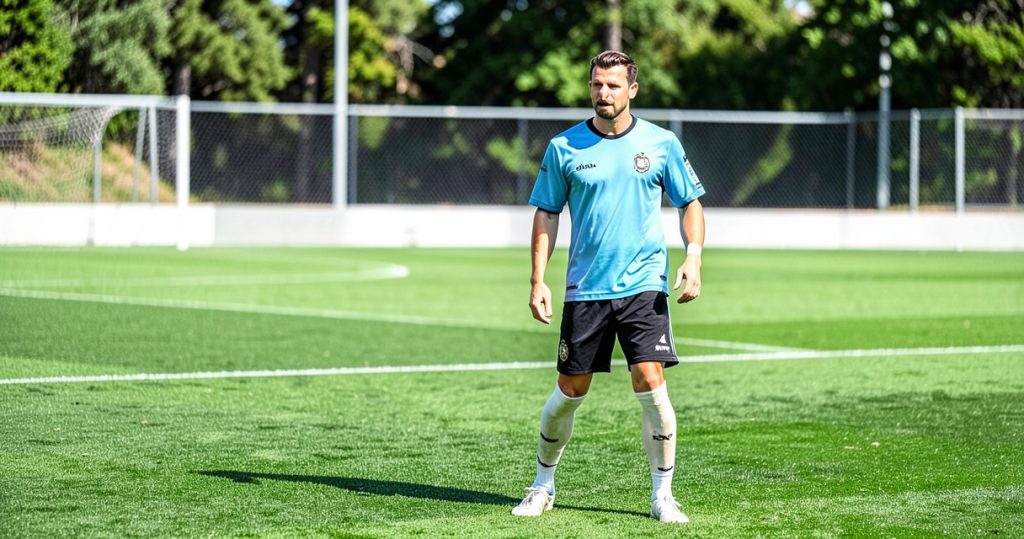
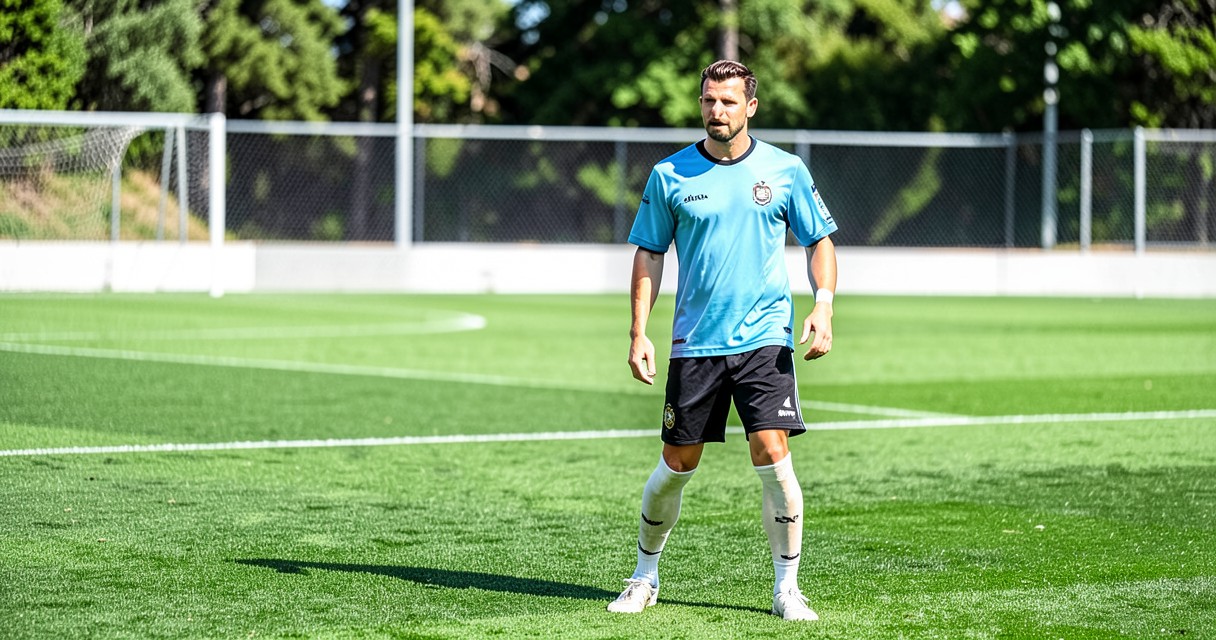
defensive soccer strategies require players to bear a unique blend of physical and mental burdens that set them apart from attackers and midfielders. A center‑back must combine aerial strength, tackling precision, and positional awareness while constantly tracking the movement of opposing forwards. Studies show that a defender typically covers 8 to 10 kilometres per match, but the intensity spikes during sprints and duels, leading to higher lactate accumulation than many other positions. This continuous pressure accelerates muscle fatigue and raises the risk of overuse injuries, especially during fixture congestion when matches are stacked in short succession. Understanding these demands is the first step toward designing effective rest strategies that keep the back line sharp throughout a season.
Why Rest Is Essential for Defensive Consistency
Rest does more than simply reduce soreness; it restores the neuromuscular coordination crucial for split‑second decision making. When a defender’s reaction time slows by even 0.1 seconds, the margin for error narrows dramatically, often resulting in lost duels or misplaced passes. Research from elite clubs indicates that a 48‑hour recovery window can improve tackle success rates by up to 12 percent compared with players who receive insufficient rest. Moreover, adequate downtime allows the body to replenish glycogen stores, repair micro‑tears in muscle fibers, and reset hormonal balances that influence focus and aggression. Neglecting these processes can turn a reliable back line into a liability during the latter stages of a tournament.
Strategic Squad Rotation to Preserve Defensive Energy
Managers increasingly rely on rotation policies that spread minutes across the defensive roster, especially during congested fixture periods. In the English Premier League, teams playing more than three matches in a ten‑day span often rotate at least one center‑back to maintain optimal performance levels. This approach not only mitigates fatigue but also creates tactical flexibility, as different defenders bring varied strengths such as speed, aerial dominance, or ball‑playing ability. A well‑planned rotation schedule can keep the average defensive workload below 90 minutes per player per week, aligning with the soccer formations guide and sports science recommendations for injury prevention.
Implementing squad rotation requires careful monitoring of player load through GPS trackers and heart‑rate monitors. Data from top‑tier clubs reveal that defenders who exceed 120 minutes of high‑intensity activity in a single week are twice as likely to sustain a hamstring strain. By adjusting training intensity and applying substitution strategies with rested defenders, coaches can keep these risk factors in check while still preserving the team’s competitive edge. The key lies in balancing continuity in defensive chemistry with the physiological need for recovery.
In‑Game Recovery Techniques for Defenders
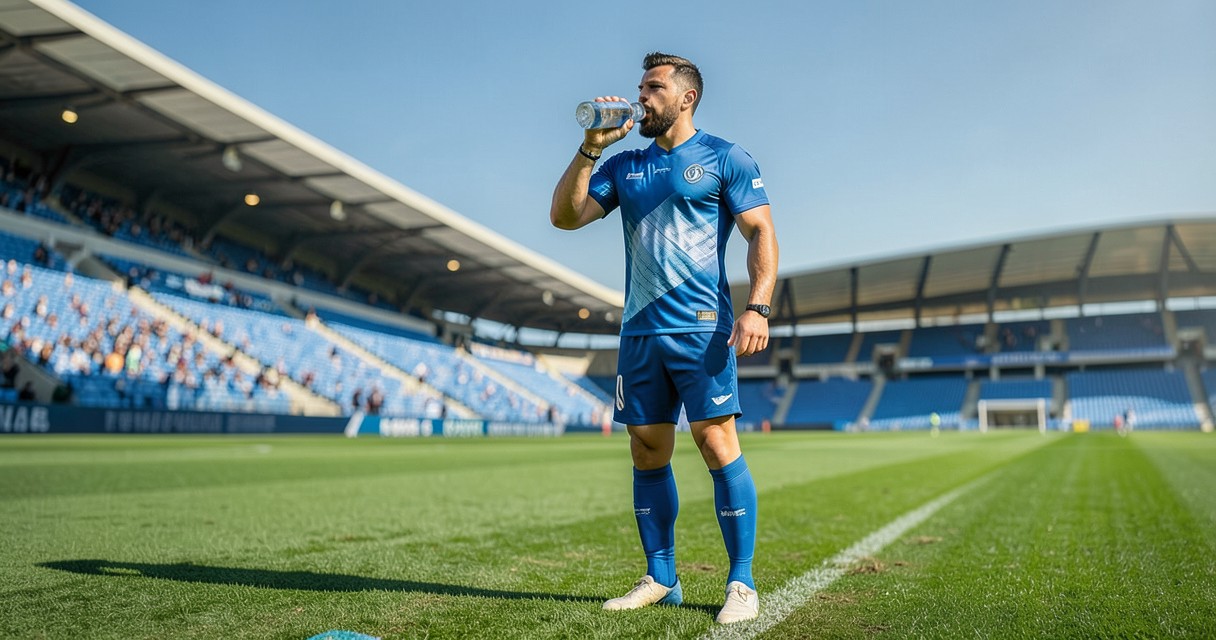
During a match, defenders can employ micro‑recovery tactics as part of soccer tactics that ease the strain of action. Simple actions such as controlled breathing, brief static stretches during stoppages, and maintaining optimal hydration can lower perceived exertion and delay the onset of fatigue. For example, a defender who drinks 250 ml of electrolyte‑rich fluid every 20 minutes can sustain plasma volume, which supports muscle oxygen delivery and reduces cramping. Additionally, positioning oneself to anticipate passes rather than reacting to them can conserve energy, as proactive movement requires less explosive effort than reactive sprints.
Fussball Coach: Football Basics: Rest-defence during own attack
Coaches also integrate brief, high‑intensity interval drills in training to simulate match‑day demands and teach players how to recover quickly between bursts. These sessions improve the body’s ability to clear lactate and restore phosphocreatine stores, enabling defenders to repeat intense actions with minimal performance drop. When combined with proper cool‑down routines, such as light jogging and foam‑rolling, these practices create a comprehensive in‑game recovery system that supports sustained defensive solidity.
Nutrition and Sleep: Foundations of Defensive Longevity
Beyond the pitch, a defender’s diet and sleep patterns lay the groundwork for long‑term resilience. Consuming a balanced mix of carbohydrates, lean proteins, and healthy fats ensures that glycogen stores are replenished after training and matches. Elite defenders often target a post‑match intake of 1.2 grams of protein per kilogram of body weight within the first hour, promoting muscle repair and reducing inflammation. Moreover, timing meals to include complex carbs can sustain energy levels throughout the day, preventing mid‑week dips in performance.
Sleep quality directly influences cognitive functions such as spatial awareness and decision‑making, which are vital for defensive duties. Research indicates that athletes who achieve seven to nine hours of uninterrupted sleep experience a 15 percent improvement in reaction speed and a lower incidence of tactical errors. Incorporating relaxation techniques, such as progressive muscle relaxation before bedtime, can enhance sleep depth, allowing defenders to enter each training session or match fully refreshed and mentally sharp.
Case Study: Cristian Romero’s Season‑Ending Rest
Tottenham Hotspur’s centre‑back Cristian Romero serves as a recent illustration of the impact of enforced rest on a defender’s career trajectory. After suffering a recurring thigh injury, the club announced that Romero would miss the remainder of the season, prioritizing his long‑term health over short‑term gains. This decision underscores the growing awareness among top clubs that playing an injured defender can exacerbate damage, leading to prolonged absences and reduced overall value. By granting Romero a full recovery period, Tottenham aims to preserve his athleticism for future campaigns, aligning with best practices in player welfare.

Romero’s situation also highlights the importance of load management for high‑profile defenders. Prior to his injury, he logged an average of 95 minutes per match across all competitions, a workload that approaches the upper limits of sustainable intensity. The club’s medical staff likely used a combination of MRI scans, functional movement assessments, and player‑reported fatigue scores as part of fatigue management to determine the optimal rest timeline. This comprehensive approach ensures that when Romero returns, he does so with restored strength, confidence, and the ability to contribute effectively to the team’s defensive structure.
Planning Rest for Youth and Amateur Teams
While professional squads benefit from sophisticated monitoring tools, youth and amateur clubs can still implement effective rest protocols with simple strategies. Scheduling at least one full rest day per week, limiting back‑to‑back matches to a maximum of two consecutive game days, and rotating defenders across training drills can reduce cumulative fatigue. Coaches should encourage players to track subjective fatigue levels using a 1‑to‑10 scale, adjusting training loads when scores exceed six. These practices foster a culture of self‑awareness and help prevent burnout in developing athletes.
Additionally, integrating educational sessions on nutrition, sleep hygiene, and recovery techniques equips young defenders with the knowledge to manage their bodies responsibly. Providing access to basic recovery tools, such as foam rollers and hydration stations, further supports their physical development. By prioritizing rest alongside skill development, grassroots programs can produce well‑rounded defenders who are prepared for the rigors of higher‑level competition, ensuring the longevity of talent across the sport.

I’ve been kicking a ball around since I could walk, and the strategy behind the beautiful game never stops fascinating me. I love breaking down match tactics and sharing the stories of players who make football unforgettable.