

Understanding Fixture Congestion in Soccer
Fixture congestion in soccer refers to a situation where teams face a tight and demanding soccer schedule, with a high frequency of matches in a short period. This phenomenon, often called fixture pile-up, occurs when multiple competitions overlap or when unexpected delays force many games to be rescheduled closely together. For example, clubs competing simultaneously in domestic leagues, national cups, and international tournaments may have to play multiple matches per week, sometimes with only days of rest in between.
The main causes of fixture congestion include weather disruptions, extended cup runs, and international breaks combined with league commitments. Additionally, modern soccer calendars are crowded with various leagues and tournaments, leaving little room for flexibility. This intensifies the fixture pile-up effect, making it difficult for teams to maintain optimal squad fitness and performance levels across all competitions.
Fixture congestion poses significant challenges for both teams and players. From a team’s perspective, managing a packed schedule requires strategic rotation of players and careful squad management to avoid fatigue and injuries. For players, the increased match frequency means less recovery time, heightened physical and mental strain, and an elevated risk of injuries. It can negatively impact individual performance and team results, putting additional pressure on coaches and medical staff to keep the squad competitive and healthy.
Furthermore, fixture congestion can affect the overall quality of the soccer played and impact set piece execution. Teams may adopt more conservative tactics to conserve energy, leading to less dynamic and exciting matches. The piling up of fixtures also disrupts training routines and preparation time, which are crucial for tactical adjustments and recovery.
In summary, fixture congestion is a critical issue in modern soccer because it impacts player welfare, team strategy, and the integrity of competitions. Addressing fixture pile-up requires cooperation between leagues, clubs, and governing bodies to optimize the soccer schedule, balancing the demands of multiple competitions with the health and performance needs of players.
Causes of Fixture Congestion
Fixture congestion in soccer primarily arises from several key causes tied to the complexities of fixture scheduling. One major factor is the overlap of multiple tournaments, where teams participate in domestic leagues, national cups, and international competitions simultaneously. This overlapping of competitions forces teams to play numerous matches within a short timeframe, intensifying the schedule.
Rescheduled matches also contribute significantly to fixture congestion. Matches can be postponed due to various reasons such as weather conditions, security issues, or unforeseen events. When these matches are rearranged, they often end up being squeezed into already packed calendars, adding pressure and reducing rest periods between games.
International breaks, during which players leave their clubs to represent their national teams, further complicate fixture scheduling. Clubs may have to make up for lost league days by rescheduling matches around these breaks. This creates uneven spacing between games and places additional strain on players and coaching staff alike.
Overall, fixture congestion results from the combination of multiple tournaments, rescheduled fixtures, and international breaks within a tightly constructed soccer calendar. These factors together create a challenging environment for teams striving to perform at their best while managing limited recovery time.
Impact on Players and Teams
Fixture congestion significantly impacts player fatigue, leading to a noticeable decline in individual and team performance. When players are required to participate in multiple matches over a short period, their bodies have limited time to recover, resulting in diminished physical fitness. This decline can manifest as slower reaction times, reduced stamina, and decreased overall effectiveness on the pitch.
As fatigue accumulates, the risk of injury rises sharply. Overworked muscles and joints become more vulnerable to strains, sprains, and chronic issues that can sideline players for extended periods. Injuries not only affect the well-being of athletes but also disrupt team dynamics, forcing coaches to adjust strategies and lineups frequently. This can lead to inconsistencies in team performance and results.
Moreover, the combination of fatigue and injury risk often leads to a cyclical pattern of performance decline, where teams struggle to maintain their competitive edge throughout congested fixture periods. Reduced training intensity and the need for squad rotation can hinder tactical cohesion, causing teams to drop valuable points or fail to progress in tournaments.
In summary, fixture congestion presents a formidable challenge to maintaining optimal player fitness and safeguarding against injury risks, both of which are critical factors in sustaining high levels of team performance and achieving consistent results on the field.
Managing and Mitigating Fixture Congestion
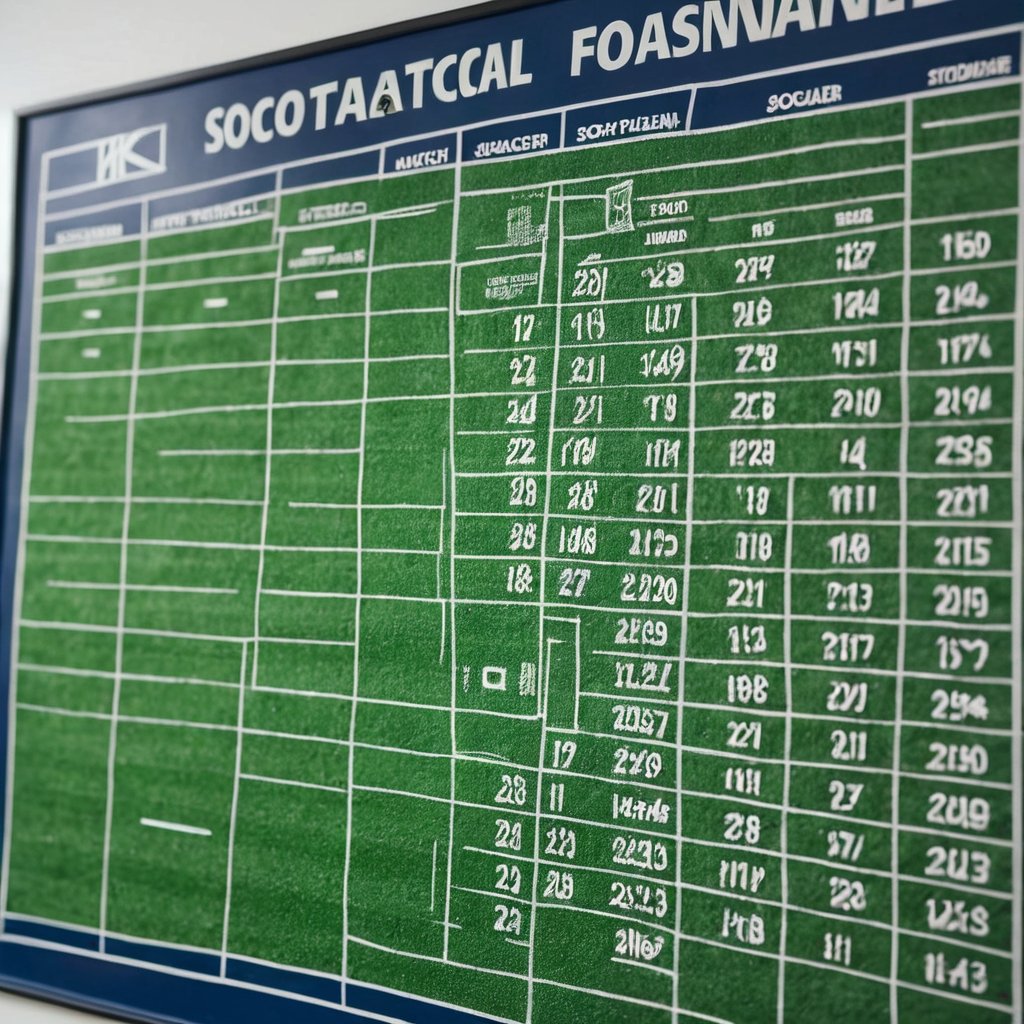
Fixture congestion presents a significant challenge for football clubs and leagues, demanding effective management strategies to maintain performance and player wellbeing. One of the primary approaches used to tackle this issue is the implementation of a rotation policy. By rotating players regularly, clubs can distribute the physical load more evenly across the squad, thus reducing the risk of injury and fatigue. This strategy not only helps keep key players fresh for crucial matches but also allows fringe players to gain valuable match experience.
Another critical component of managing fixture congestion is careful match scheduling. Leagues and governing bodies work closely with clubs to space out fixtures whenever possible and avoid back-to-back games that could exacerbate player exhaustion. This involves planning matches with adequate rest days in between and considering travel demands, which can add to fatigue if teams must traverse long distances.
Beyond rotation and scheduling, clubs adopt rigorous recovery protocols to enhance team recovery after matches. Recovery strategies include physiotherapy, hydrotherapy, nutrition plans, and sleep management—all crucial to helping players regain strength and readiness in a short time frame. The use of modern sports science and technology for monitoring training loads and player fitness levels also plays an integral role in informing recovery processes and preventing overexertion.
Combining these management strategies creates a holistic approach to fixture congestion. Squad rotation ensures players are not overburdened, while thoughtful match scheduling and robust recovery protocols support optimal performance levels throughout congested periods. Clubs that successfully implement these measures can maintain competitive edge, reduce injury rates, and improve overall team resilience against the demanding football calendar.
Squad Rotation and Player Rest
During periods of fixture congestion, effective squad rotation and rest days become essential components of successful player management. Coaches must strategically rotate their squad members to prevent fatigue, reduce injury risks, and maintain optimal performance levels throughout a demanding schedule. Utilizing a deep squad allows managers to distribute playing time more evenly, ensuring that key players receive necessary rest without compromising team competitiveness.
Rest days are carefully planned within the broader coaching strategies to ensure players recover both physically and mentally. Recovery protocols, including light training sessions and physiotherapy, complement these rest periods to maximize player freshness. Coaches analyze match intensity, player fitness data, and individual workload to decide who needs a break and when to reintroduce rested players. This tailored approach helps maintain squad balance and readiness for crucial fixtures.
Squad rotation strategies also involve adapting tactics depending on available personnel, which demands flexibility and foresight from the coaching staff. By rotating players effectively, coaches can maintain a high tempo of play and tactical sharpness while safeguarding the squad’s overall health. Ultimately, integrating squad rotation and rest days into coaching strategies is key to navigating congested schedules without compromising long-term team success.
Role of Governing Bodies and Scheduling
Football governing bodies play a critical role in fixture planning, aiming to create a balanced and manageable schedule that meets the needs of leagues, clubs, and international competitions. One of their primary responsibilities is developing scheduling solutions that consider various factors, such as player welfare, broadcast requirements, and competition integrity. The FIFA calendar serves as a foundational framework, providing designated windows for international fixtures and tournaments to minimize clashes with domestic league matches. This calendar helps coordinate the timing of events across different levels of play and regions.
Governing bodies also set league rules that influence fixture congestion by determining the number of matches and the acceptable intervals between games. These rules are designed to prevent excessive fixture density, which can compromise player performance and increase injury risks. Additionally, they work closely with leagues and clubs to identify potential conflicts and propose adjustments in the fixture list where possible. Efforts include limiting match dates during busy periods and encouraging the use of rest periods strategically throughout the season.
Through continuous dialogue and planning, football federations strive to enhance fixture scheduling, reducing congestion and ensuring a fair playing environment. Their role is vital in maintaining a sustainable football calendar that balances competitive demands with player health and audience engagement, ultimately supporting the sport’s long-term growth and success.
Consequences of Fixture Congestion on Soccer’s Future

Fixture congestion in soccer has become an increasingly pressing issue due to the crowded schedules imposed on players and teams. The long-term effects of such an intense match calendar are far-reaching, influencing player longevity, competition quality, and ultimately the sustainability of the sport as a whole.
One of the most significant concerns is the impact on player careers. Continuous exposure to a packed calendar leaves players vulnerable to injuries and premature burnout. The physical and mental strain from back-to-back fixtures without adequate recovery time shortens the overall duration of many professionals’ careers. This decline in player longevity not only affects the individuals but also deprives teams and fans of witnessing extended eras of skill and leadership on the pitch.
Fixture congestion also takes a toll on the quality of competitions. When teams have to rotate squads frequently or play key matches with fatigued players, the level of performance diminishes. Important fixtures may lack intensity and competitiveness, which can dishearten supporters and reduce the global appeal of tournaments. Over time, a decline in competition quality could lead to diminishing commercial interest, less television viewership, and weaker sponsorship deals.
From a broader perspective, fixture congestion threatens the sustainability of soccer itself. Soccer relies heavily on maintaining high standards to attract fans, investments, and nurturing young talent. Fixture overload raises ethical questions about player welfare and the sport’s responsibility toward its athletes. If stakeholders fail to address these concerns, soccer risks losing the very essence that has made it the world’s most beloved sport.
In conclusion, the long-term effects of fixture congestion present critical challenges. To preserve player longevity and uphold competition quality, the soccer community must seek innovative scheduling solutions. Ensuring soccer’s sustainability demands a balanced approach that considers the health of players, the excitement of the game, and the future prosperity of the sport worldwide.
Effect on Player Health and Career Longevity
Repeated fixture congestion in soccer significantly impacts player health and can drastically shorten career length. When players are subjected to continuous high-intensity matches with minimal recovery time, their bodies do not have adequate opportunity to heal. This results in a higher risk of chronic injuries, which can be career-threatening. The accumulation of minor injuries and muscle fatigue can evolve into long-term conditions such as tendonitis, stress fractures, and joint complications.
Player health becomes compromised as the physical demands of fixture congestion strain their musculoskeletal system and overall fitness levels. Without proper fitness management, players face the danger of overtraining, leading to burnout and diminished performance. Effective fitness management programs, including appropriate rest periods and tailored conditioning, are crucial for mitigating these risks and prolonging career longevity.
Ultimately, managing fixture congestion is essential not just for team success but for safeguarding the well-being and future of players. Clubs and coaching staff must prioritize player health monitoring and incorporate strategic rotation to reduce injury risk. By doing so, they can help extend career length and ensure players maintain optimal health throughout their professional journey.
Impact on Competition Quality and Fan Experience
Fixture congestion has a significant impact on match quality, often leading to a decline in the overall performance levels of players. When teams are forced to play multiple games in quick succession, fatigue sets in, which can reduce the intensity and sharpness of play on the field. This diminished performance ultimately lowers the entertainment value for fans, as matches may lack the usual excitement and competitive edge they expect.
Moreover, congested fixtures can negatively affect fan engagement. Supporters attend games and follow competitions with anticipation for high-quality performances and thrilling moments. However, when teams struggle with physical and mental exhaustion, the quality of football on display suffers, which may lead to less captivating matches. This drop in match quality can cause frustration and disappointment among fans, reducing their enthusiasm and interest over time.
The stress of fixture congestion not only harms individual games but also tarnishes the overall reputation of the competition. Fans want entertainment that sustains their passion and loyalty, but repetitive uninspired performances due to fixture strain can erode the fanbase. Maintaining a balanced schedule is crucial to preserving both competitive integrity and fan engagement, ensuring that each match delivers the quality and excitement that audiences crave.

I’ve been kicking a ball around since I could walk, and the strategy behind the beautiful game never stops fascinating me. I love breaking down match tactics and sharing the stories of players who make football unforgettable.