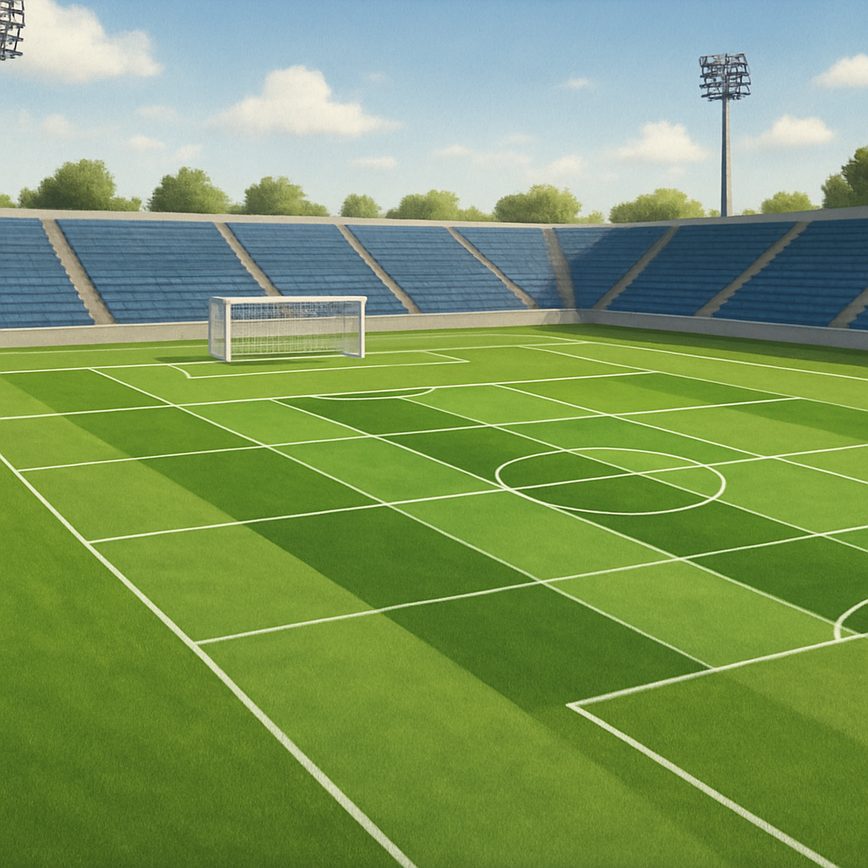
Introduction to Zonal Marking Tactics
Zonal marking is a defensive strategy widely used in football tactics that focuses on players covering specific areas of the pitch rather than marking individual opponents. The core idea behind zonal marking is to maintain structured positioning across the defensive zone, allowing teams to effectively respond to threats based on spatial awareness rather than personal duels. This approach contrasts sharply with man-to-man marking, where defenders are tasked with tracking specific opponents closely throughout the game.
In a zonal marking system, each defender is assigned a particular zone on the field. When an opposing player enters a defender’s zone, the defender engages and applies pressure. This method promotes a cohesive defensive line, reducing the chances of leaving dangerous gaps in the defense. It also allows teams to adapt fluidly to the opposition’s offensive movements, as players shift their positioning to cover evolving threats in their assigned zones.
The primary purpose of zonal marking in football is to enhance defensive solidity and control over key areas of the pitch. It emphasizes collective responsibility, ensuring that all players contribute to maintaining the team’s defensive shape. By organizing players based on zones, teams can focus on intercepting passes, blocking shooting lanes, and closing down space systematically. This tactical approach helps in frustrating opponents by limiting their options and forcing errors.
Compared to man-to-man marking, zonal marking offers greater flexibility and fewer risks of being outpaced by quick attackers. While man marking can be effective in neutralizing individual threats, it often leaves teams vulnerable to positional disarray when attackers exploit spaces between defenders. Zonal marking, however, maintains defensive discipline through spatial control, which is especially useful against teams that rely on fluid, positional soccer. It also reduces the physical and mental strain on defenders as they do not need to chase their opponents incessantly.
Soccer positioning under zonal marking requires excellent communication and awareness among defenders. Each player must understand the boundaries of their zone and work collaboratively to cover overlaps or gaps. Coaches often train their teams extensively in zonal positioning to ensure players can anticipate movements and maintain the integrity of the defensive line. In summary, zonal marking is a strategic choice in football tactics that prioritizes space control and team coordination over individual battles, playing a crucial role in modern defensive strategies.
Zonal Marking vs Man-to-Man Marking
Zonal marking and man-to-man marking are two primary marking styles used in football, each with distinct defensive differences. Zonal marking involves players defending specific areas of the pitch rather than individual opponents. This system allows defenders to cover spaces and respond collectively to offensive movements. It emphasizes teamwork and positional discipline, making it effective against teams that rely heavily on fluid attacking plays. One advantage of zonal marking is its flexibility; it can limit spaces for attackers and prevent overloads in critical areas. However, it requires excellent communication and awareness among defenders to avoid leaving opponents unmarked, which can be a disadvantage if players lose concentration or fail to coordinate.
In contrast, man-to-man marking assigns each defender an individual opponent to track throughout the game. This marking style is straightforward and allows defenders to apply constant pressure on key attacking players, potentially limiting their influence on the game. The primary advantage of man-to-man marking is the high level of accountability it creates for defenders, making it difficult for attackers to find space or receive the ball comfortably. On the downside, this approach can be physically demanding, and if one defender is beaten, it can create dangerous situations. Moreover, man-to-man marking may struggle against fast-moving or highly versatile attackers who can exploit mismatches quickly.
Overall, zonal marking offers strategic spatial control and collective defense, while man-to-man marking provides focused pressure on specific opponents. Coaches often choose marking styles based on their team’s strengths and the opposition’s tactics, balancing the advantages and disadvantages of each method.
Key Principles of Zonal Marking
Zonal marking is a defensive strategy that focuses on controlling specific areas of the field rather than marking individual opponents. One of the key principles of zonal marking is the clear division of the pitch into defensive zones, where each player is responsible for covering and protecting their assigned area. This system requires players to maintain awareness not only of the ball but also of opposing players entering their zones.
Understanding the zonal marking basics is essential for the system to function effectively. Players must communicate constantly to ensure seamless coverage and avoid gaps between zones. The defensive zones are structured so that overlapping responsibilities help in intercepting passes and pressuring attackers without losing positional discipline. This approach emphasizes collective defense rather than isolated one-on-one duels.
Player roles within zonal marking are defined by their position on the field and their specific zone assignment. Each defender is tasked with watching their zone for potential threats and reacting accordingly—whether by closing down a player who enters their zone or passing on marking responsibilities to teammates as the ball moves. Midfielders and forwards also contribute by applying pressure and cutting passing lanes, reinforcing the team’s overall defensive shape.
Ultimately, the key principles of zonal marking hinge on maintaining spatial control, fluid communication, and coordinated teamwork. When executed correctly, players defend their zones cohesively, minimizing risk and maximizing the chances of regaining possession.
Implementing Zonal Marking in Matches
To effectively implement zonal marking in football matches, teams must adopt a strategic approach that integrates clear communication, precise positioning, and disciplined execution. Zonal marking, unlike man-to-man marking, requires players to cover specific areas of the pitch rather than individual opponents, making the setup and in-game adjustments crucial to a team’s defensive solidity.
Coaches begin by establishing a structured zonal marking setup during training sessions, focusing on the spatial organization of players within defensive zones. Each defender is assigned a designated area to monitor, often coordinated with their position on the field, ensuring there are no gaps vulnerable to opposition attacks. This spatial awareness is a cornerstone of successful zonal marking tactics.
During the match, players must maintain tight control over their zones, staying alert to any opposing attackers entering their area. Effective communication between teammates ensures seamless coverage and fast reaction to movements in the attacking team, helping prevent overlaps or confusion. This collaborative effort is essential to reinforce the defensive shape and reduce the risk of conceding goals.
From a match strategy perspective, coaches adapt the zonal marking framework to suit their team’s strengths and the opponent’s style of play. For example, teams may opt for a deeper defensive line to control dangerous areas closer to their goal or push their defense higher up the pitch to compress space and initiate counterattacks. Tactical flexibility in the zonal marking setup allows teams to optimize their defensive efficiency according to game dynamics.
Furthermore, implementing zonal marking effectively demands rigorous training on positional drills and scenario analysis. This training conditions the players to anticipate attacking patterns and coordinate their movements to cover spaces, particularly during set pieces like corners and free kicks, where zonal marking can neutralize aerial threats more efficiently than individual marking.
In summary, implementing zonal marking within football tactics requires a blend of strategic planning, disciplined player roles, and adaptive match strategies. When coaches successfully set up and execute zonal marking systems, teams can maintain defensive stability and better control the flow of the game, proving this approach a valuable tool in modern football tactics.
Formations Best Suited for Zonal Marking
In football formations designed for zonal marking, tactical setups that emphasize compactness and spatial control are most effective. Popular zonal marking formations include the 4-4-2, 4-3-3, and 3-5-2, each offering distinctive advantages for maintaining team shape and fluid coverage of key zones on the pitch.
The 4-4-2 formation is traditional but highly effective for zonal marking because it provides a balanced defensive and midfield structure. Players in this formation align themselves in well-defined vertical and horizontal channels, ensuring that every zone is monitored. Defenders focus on controlling their assigned areas rather than tracking individual opponents, while midfielders aid in closing passing lanes and supporting the defense.
Meanwhile, the 4-3-3 offers more flexibility and dynamic player positioning, enabling a team shape that adapts to the flow of the game. The midfield trio forms a critical line in the center, each responsible for a zone that prevents penetration. The front three also contribute defensively, pressing opponents and narrowing the spaces in the offensive zones.
The 3-5-2 formation, favored for its compactness, places five midfielders across the pitch, creating multiple overlapping zones. This setup increases defensive density while maintaining width. Wing-backs in this formation take up wide zones and support both attack and defense, making player positioning pivotal to effective zonal marking.
Overall, successful zonal marking depends on players understanding their zones within these tactical setups, maintaining discipline, and adjusting their positioning based on ball movement and opponents’ patterns. Choosing the right football formations thus significantly enhances the effectiveness of zonal marking strategies.
Training Drills for Zonal Marking
To enhance the coordination and execution of zonal marking, specific training drills are essential. One effective exercise is the “Zone Shadowing Drill,” where players simulate defending their zones against attacking players moving through them. This drill helps players improve awareness of their zone boundaries and communication within the defensive unit.
Another valuable drill is the “Rotational Marking Exercise.” In this drill, defenders practice shifting and rotating their positions responsively as the ball moves across different areas of the pitch. This improves their ability to maintain compactness and prevent gaps between zones, which is crucial for effective zonal marking.
Integrating small-sided games focused on zonal marking principles also benefits players by encouraging real-time decision-making and teamwork. Coaches often design these games to emphasize spatial awareness and the importance of maintaining the defensive shape, reinforcing the fundamentals of zonal marking practice.
Lastly, pairing defenders in “Communication and Coverage Drills” sharpens their teamwork skills, ensuring smooth coverage transitions when opponents penetrate their zones. These defensive drills, combined with comprehensive feedback from football coaching staff, build a strong foundation for mastering zonal marking strategies.
Advantages and Challenges of Zonal Marking
Zonal marking offers several advantages that make it a popular defensive strategy in football. One of the primary benefits of zonal marking is the efficient coverage of critical areas on the pitch rather than focusing on individual opponents. This approach allows defenders to maintain their shape and spatial discipline, which can reduce the likelihood of leaving dangerous gaps. Teams employing zonal marking can better adapt to opponents’ movements, as players are responsible for zones rather than tracking specific players, thus enhancing collective defensive coordination.
Another key zonal marking benefit is improved ability to counter aerial threats during set-pieces. By assigning zones, defenders can effectively challenge crosses and clearances without losing track of their positional duties. This system also encourages better communication and understanding among teammates, ensuring that defensive transitions are smoother and less prone to errors. Moreover, zonal marking helps in managing stamina and energy across the defensive line, since players conserve effort by holding positions instead of constantly chasing opponents.
Despite these advantages, zonal marking presents its own set of challenges and potential defensive weaknesses. One common issue is the risk of confusion or hesitation when marking responsibilities overlap or are unclear. If defenders fail to communicate effectively, attackers might exploit gaps between zones or slip through at the boundaries where marking responsibility shifts from one player to another. Additionally, zonal marking can be vulnerable to teams that use frequent player rotations and smart runs to disorganize the defensive shape.
Another challenge is that zonal marking requires high tactical awareness and discipline from each player. Inexperienced or less communicative defenders may struggle to maintain their assigned zones, leading to positional mistakes and vulnerabilities. Furthermore, zonal marking can sometimes limit the ability to apply intense pressure on key offensive players, as defenders are more focused on spatial coverage than man-to-man contests, potentially allowing creative attackers more time and space to make plays.
In conclusion, while the advantages of zonal marking lie in its structured coverage and collective defensive strength, teams must carefully address its challenges to mitigate defensive weaknesses. Success with zonal marking hinges on clear communication, tactical discipline, and adaptability, enabling defenders to maximize the system’s benefits while minimizing its vulnerabilities.
Common Weaknesses and How to Overcome Them
Zonal marking, while an effective defensive tactic, comes with its own set of weaknesses that teams must address to maintain a solid backline. One common vulnerability is the potential for players to lose track of opponents when multiple attackers enter a single zone, leading to confusion and defensive gaps. Additionally, quick and well-coordinated attacking moves can exploit the space between zones, exposing defensive challenges that require immediate adjustment.
To counter these zonal marking weaknesses, teams often employ specific counter strategies. Communication and constant vigilance are critical, ensuring defenders maintain awareness not only of their zone but also of incoming players shifting from adjacent areas. Coaches emphasize the importance of sliding and shifting as a unit to close down space swiftly and prevent attackers from exploiting open lanes.
Another crucial adjustment involves strategic team adjustments, such as assigning man-marking responsibilities to supplement zonal coverage during critical moments, particularly against opponents who use swift interchanges and overload tactics. Midfielders and defenders also work in tandem to press the ball and force attackers wide, reducing the risk of breakthroughs in the central zones.
In conclusion, understanding zonal marking weaknesses and implementing strong communication, coordinated sliding, and hybrid marking systems help teams overcome defensive challenges effectively. These approaches ensure a flexible and resilient defense prepared to adapt to dynamic attacking threats.
Successful Teams Using Zonal Marking
Zonal marking has been a cornerstone of tactical success for numerous football clubs and coaches around the world. Notable teams that have implemented zonal marking examples effectively demonstrate how this defensive strategy can transform team performance, enhancing organization and minimizing vulnerabilities.
One of the most iconic teams known for their use of zonal marking is the Italian club AC Milan during the late 1980s and early 1990s under coach Arrigo Sacchi. Sacchi’s revolutionary approach emphasized collective defensive responsibility through zonal marking, which significantly helped Milan dominate European football. This method allowed the team to control space and limit opposing attackers’ freedom, leading to multiple Serie A and European Cup titles.
Another notable example is the Spanish club Barcelona under Pep Guardiola. Guardiola adapted zonal marking within his tactical framework, blending it with possession-based football to disrupt opponents’ attacking rhythms and quickly regain defensive shape. Barcelona’s consistent success domestically and internationally during this era underscores the impact of disciplined zonal marking combined with tactical innovation.
These successful teams showcase how zonal marking examples are not just about defending space but also about coordinated team effort and understanding tactical nuances. Football clubs that master this approach often see improved defensive resilience and overall tactical success.
| Team/Coach | Era | Zonal Marking Impact | Achievements |
|---|---|---|---|
| AC Milan / Arrigo Sacchi | Late 1980s – Early 1990s | Enhanced defensive organization and spatial control | Multiple Serie A titles, European Cups |
| Barcelona / Pep Guardiola | 2008-2012 | Integrated zonal marking with possession play for high tactical efficiency | La Liga and UEFA Champions League titles |

I’ve been kicking a ball around since I could walk, and the strategy behind the beautiful game never stops fascinating me. I love breaking down match tactics and sharing the stories of players who make football unforgettable.