
Understanding Wide Play in Soccer
Wide play in soccer is a fundamental aspect of the game that focuses on utilizing the flanks or wings of the field to create attacking opportunities. This approach involves wingers or wide midfielders stretching the opponent’s defense horizontally, opening up space and providing key passing options. By leveraging the width of the pitch, teams can exploit gaps in the opposition’s formation, making wide play soccer an essential component of many soccer tactics.
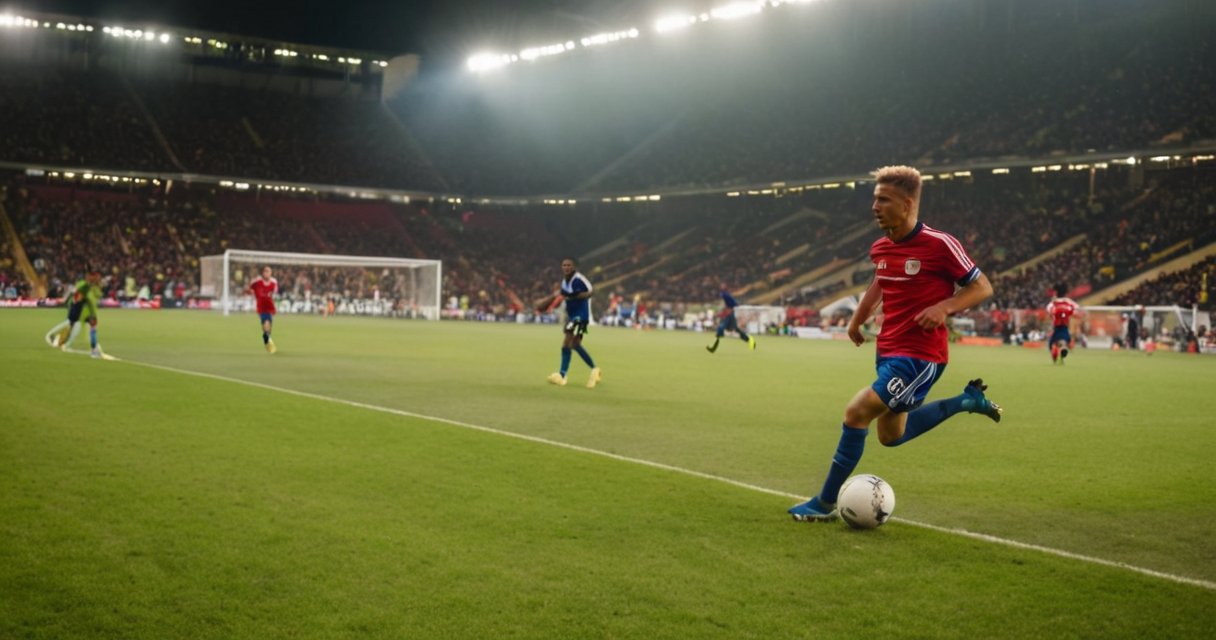
In the context of soccer strategy, wide play serves multiple purposes. It helps to destabilize compact defensive setups by forcing defenders to cover more ground. This can lead to breakdowns in defensive shape, allowing teammates to penetrate central areas or deliver crosses into the penalty box. Using wing play effectively requires skillful players capable of dribbling, accurate crossing, and quick decision-making to capitalize on the space created along the sidelines.
Soccer tactics that emphasize wide play often prioritize speed and creativity on the flanks, encouraging teams to transition quickly from defense to attack. Teams adopting this strategy typically position wingers high and wide, inviting overlaps from fullbacks to overload the opposition’s defense. This multi-dimensional use of the wings can overwhelm opponents by creating numerical advantages and opening up passing lanes for through balls or cutbacks.
Moreover, wide play soccer is not only about attacking but also plays a crucial role defensively. Wide players are responsible for tracking back and supporting their fullbacks to prevent counter-attacks down the wings. Effective wing play demands teamwork, communication, and tactical discipline, making it a vital element in the overall soccer strategy of any competitive team.
In conclusion, understanding and mastering wide play is key for coaches and players aiming to implement versatile and dynamic soccer tactics. By incorporating wing play into their game plan, teams can maximize space utilization, diversify their attacking options, and maintain defensive solidity, ultimately gaining a strategic advantage on the field.
What is Wide Play in Soccer?
Wide play in soccer refers to a tactical approach that emphasizes utilizing the full width of the field to create space and generate attacking opportunities. This strategy involves players positioning themselves near the sidelines, stretching the opposition’s defense horizontally. By doing so, teams can exploit gaps, deliver crosses, and create one-on-one situations against defenders. The wide play definition revolves around maximizing the use of the flanks to maintain better ball circulation and open up central areas.
Wingers soccer players typically take on the key role in wide play. Positioned on the left or right side of the pitch, wingers use their speed, dribbling skills, and crossing ability to challenge defenders and deliver precise balls into the penalty area. Modern wingers often cut inside to shoot or link up with forwards, but their primary responsibility remains playing wide to stretch defenses and provide width.
Playing wide is heavily influenced by soccer formations. Formations like the 4-3-3 or 4-2-3-1 often incorporate dedicated wide players to maintain width and balance in attack. In contrast, narrower formations might require midfielders or full-backs to push out wide to support offensive plays. Coaches use these formations strategically to ensure that wide play contributes effectively to both creating chances and controlling the pace of the game.
Benefits of Wide Play in Soccer Offense
Wide play is a crucial component of modern offensive tactics in soccer attack. By utilizing the width of the field, teams can effectively stretch the opposing defense, creating valuable space for their attackers to exploit. This approach not only disrupts defensive formations but also opens up multiple channels for advancing the ball toward the goal.
One of the primary wing play advantages lies in its ability to pull defenders out of position. When wingers stay wide and hold their width, central defenders are forced to cover more ground, which can lead to gaps between them. These gaps are perfect for midfielders and forwards to run into, increasing the likelihood of creating goal-scoring opportunities.
Additionally, wide play facilitates quick transitions and crossing opportunities. Skilled wingers can deliver precise passes into the penalty area, allowing strikers to capitalize on cutbacks or direct shots. This dynamic movement keeps the defense guessing, adding unpredictability to the soccer attack.
In summary, incorporating wide play into offensive tactics enhances a team’s ability to control the pitch, create space, and generate high-quality chances. The wing play advantages not only make attacking more versatile but also increase the overall threat posed to the opposition’s defense.
Techniques and Skills for Effective Wide Play
Mastering wide play in soccer requires a distinct set of techniques and skills that enable players to exploit the flanks effectively. One of the most fundamental abilities is proficient soccer dribbling. Wingers must be capable of controlling the ball at high speeds, maneuvering past defenders with agility and precision. Quick footwork combined with close ball control allows wide players to create space and maintain possession under pressure.
Crossing techniques are another cornerstone of successful wide play. Delivering accurate and well-timed crosses into the opponent’s penalty area can significantly increase a team’s goal-scoring opportunities. Players need to master both driven and lofted crosses, adapting their delivery based on the positioning of teammates and defenders. This skill demands not only technical ability but also excellent vision and decision-making on the pitch.
Essential winger skills extend beyond dribbling and crossing. Speed and endurance are critical, enabling players to make repeated runs up and down the flank throughout the match. Additionally, wingers must develop strong positional awareness to exploit gaps in the opposition’s defense, combined with defensive responsibility to support their fullbacks when out of possession. Versatility in attacking moves, such as cutting inside to shoot or playing quick give-and-go passes, further enhances their effectiveness on the wide areas.
To cultivate these abilities, consistent wide play drills are indispensable. Drills focused on dribbling through cones, practicing various crossing scenarios, and conditioning exercises for stamina all contribute to a winger’s overall performance. Small-sided games and one-on-one attacking exercises help replicate match conditions, sharpening decision-making and situational awareness. Coaches often incorporate these drills into training sessions to ensure players become comfortable and confident when operating along the flanks.
In summary, effective wide play hinges on a combination of technical prowess in soccer dribbling and crossing techniques, robust winger skills including speed and tactical understanding, and regular practice through targeted wide play drills. When these elements come together, wide players can become decisive factors in breaking down defenses and creating scoring chances for their teams.
Key Dribbling and Crossing Techniques
Mastering dribbling wide is crucial for any winger aiming to exploit the full width of the pitch. Effective winger techniques involve quick changes of direction, close ball control, and the ability to beat defenders in one-on-one situations. Moves like the step-over, body feint, and the cut inside help players create space and maintain momentum down the flank. These dribbling skills set up ideal opportunities to deliver accurate crossing soccer balls into the penalty area.
When it comes to crossing soccer, timing and technique are everything. Players should focus on delivering whipped or lofted balls that are tailored to their teammates’ attacking runs. The driven cross is effective for fast-paced attacks, while the curved in-swinging cross can confuse defenders and goalkeepers alike. Practicing different variations of crosses ensures a winger can adapt their soccer passes based on the game situation and the positioning of their teammates.
Incorporating quick dribbling wide with precise crossing soccer passes allows wingers to stretch the opposition’s defense and create scoring chances. Combining speed with skillful ball control and accurate delivery elevates winger techniques to a new level, making the wide play a powerful weapon for any soccer team.
Implementing Wide Play in Different Soccer Formations
Wide play is a fundamental aspect of modern soccer that significantly influences team dynamics and attacking efficiency. Depending on the soccer formations employed, wing play tactics can vary widely. Understanding how wide play fits into popular formations allows coaches and players to maximize their use of space and create scoring opportunities. In particular, the choice of wide play formation directly impacts soccer positioning and the team’s overall approach to controlling the flanks.
Sky Sports Retro: Play, Possession, Position – Pep Guardiola's tactics explained by Thierry Henry

One of the most classic formations, the 4-4-2, incorporates wide play by utilizing traditional wingers in the midfield line. These wide midfielders hug the touchlines, stretching the opposition’s defense and providing crosses into the area. The 4-4-2 relies heavily on effective wing play tactics, where the wide players must combine pace, dribbling, and precise crossing to supply the two forwards. This formation emphasizes a balanced approach, facilitating both defensive coverage and attacking width through soccer positioning that keeps players wide and ready to exploit space.
In contrast, the 4-3-3 formation offers a more aggressive wide play formation by positioning dedicated wingers high up the pitch as part of the front three. Wing play tactics in this setup are focused on fast transitions and one-on-one duels against full-backs. This formation demands that the wide forwards stay wide to stretch the opponent’s backline, creating channels for midfield runners. Soccer positioning is crucial here; effective wide play allows the team to overload flanks and deliver dangerous balls into the penalty area or cut inside for shots on goal.
Another formation where wide play is integral is the 3-5-2, which uses wing-backs to provide width rather than traditional wingers. The wing-backs embody the wide play formation by combining defensive and offensive duties, patrolling the entire sideline. In this system, wing play tactics depend heavily on the wing-backs’ stamina and crossing ability, as they support both the back three defensively and the forward players in attack. Precise soccer positioning is vital, as these players must time their runs to ensure the team maintains shape without leaving gaps on the flanks.
Lastly, the 4-2-3-1 formation integrates wide play through attacking midfielders or wingers that operate behind the striker. Wing play tactics in this setup often utilize quick interplay and diagonal runs to disorganize defenses. The flexibility of this wide play formation allows players to cut inside and shoot or stay wide to deliver crosses, making soccer positioning highly adaptable depending on the team’s strategy. The result is a dynamic approach to wide play that enhances both creativity and width in attack.
In summary, wide play is integral across various soccer formations and wing play tactics must be tailored to suit the unique demands of each setup. Whether through traditional wingers, wing-backs, or forward wide players, effective wide play formations enhance team width, create space, and open new attacking avenues by carefully managing soccer positioning on the field.

I’ve been kicking a ball around since I could walk, and the strategy behind the beautiful game never stops fascinating me. I love breaking down match tactics and sharing the stories of players who make football unforgettable.