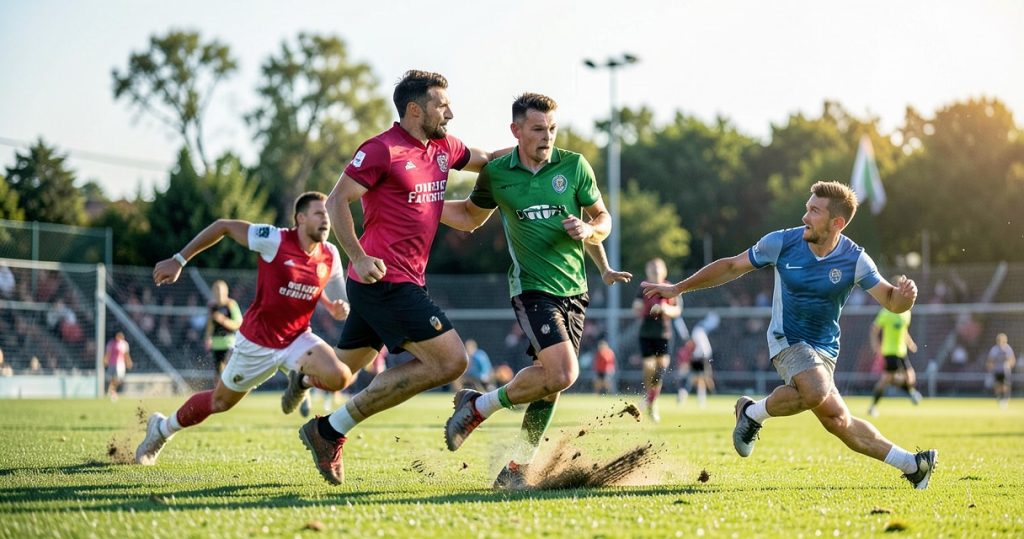
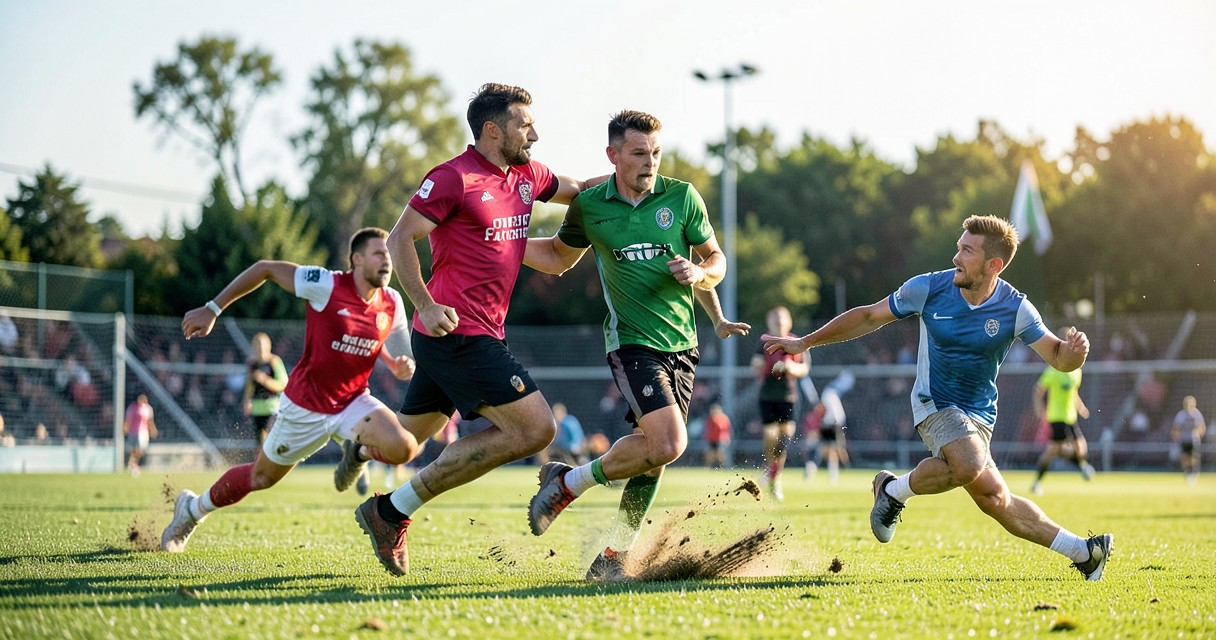
Why Soccer Speed Separates Good Players from Great Ones
High pressing in soccer requires more than just linear running speed. The best players combine explosive acceleration, sharp changes of direction, and the ability to maintain high velocity while dribbling or tracking an opponent. A winger who can burst past a fullback in the final third or a center back who recovers quickly to cut out a through ball relies on soccer-specific speed. This type of speed is built through targeted training that mimics the unpredictable movements of a match, not generic sprint drills. Players who focus only on raw sprint times often struggle when the game demands quick reactions, tight turns, or sudden stops. The difference between a 10-yard sprint in training and a 10-yard sprint under pressure is what defines elite performance.
A player’s body efficiency significantly impacts Crossing effectiveness in soccer. Technique matters as much as effort. A player with poor running mechanics will waste energy and slow down faster, even if they have strong legs. Coaches often overlook the role of arm drive, knee lift, and foot placement in acceleration. These details become critical when a player needs to explode out of a defensive stance or chase down a loose ball. The best speed training programs address these technical flaws while also building the physical capacity to repeat high-intensity efforts throughout a 90-minute match.
Acceleration Drills That Mirror Game Scenarios
Acceleration is the first step in any soccer speed sequence. A player might need to sprint 5 yards to close down a passing lane or 20 yards to beat an opponent to the ball. The key is training the body to reach top speed as quickly as possible. One effective drill is the “3-cone start,” where a player begins in a low athletic stance between two cones, then explodes forward to a third cone 10 yards away. The focus is on driving the knees, pumping the arms, and pushing off the ground with maximum force. This drill replicates the sudden bursts required when reacting to a loose ball or breaking into space.
Another useful exercise is the “defensive shuffle to sprint,” which combines lateral movement with forward acceleration. The player starts in a defensive stance, shuffles sideways for 3-5 yards, then immediately transitions into a full sprint. This mimics the movement of a fullback tracking an opponent down the wing before bursting forward to support an attack. Coaches should emphasize staying low during the shuffle and exploding upward when transitioning to the sprint. Timing these drills with a stopwatch helps players track progress, but the real test is how quickly they can execute the movement in a game situation.
For advanced players, adding a ball to acceleration drills forces them to maintain speed while under control. A simple progression is the “pass and sprint,” where a player receives a pass, takes one touch to set the ball, and then accelerates past a defender. This drill trains the brain to process information quickly while the body executes a high-speed movement. The best players can accelerate while scanning the field, making split-second decisions that leave defenders flat-footed.
Agility Training for Soccer-Specific Movement Patterns
Proper Big match preparation in soccer ensures agility is used strategically, not just for show. It’s about changing direction efficiently while maintaining balance and control. The T-drill is a widely used soccer agility exercise that improves on-field performance. Players sprint forward 10 yards, shuffle left 5 yards, shuffle right 10 yards, then backpedal 5 yards to the starting point. The drill forces quick transitions between forward, lateral, and backward movements, all of which are common in a match. Coaches should emphasize short, choppy steps during the shuffles and a strong push-off when changing direction.
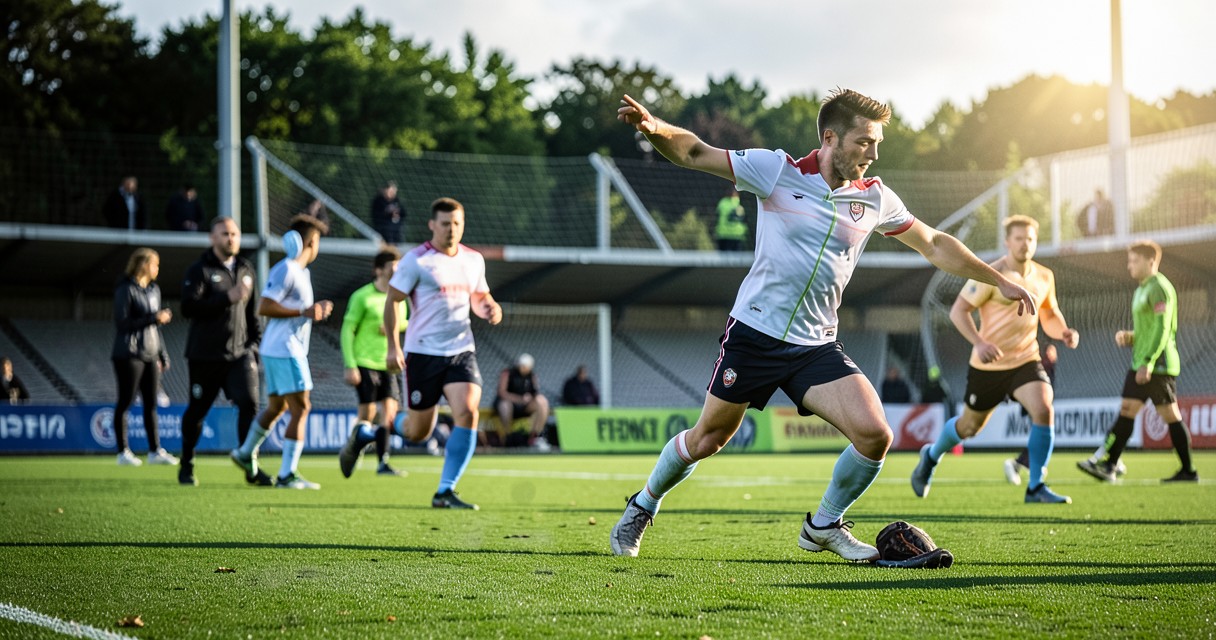
Reactive agility drills take this a step further by adding an unpredictable element. In the “coach’s signal drill,” a player faces the coach and reacts to a hand signal or verbal cue, sprinting to one of four cones placed around them. This trains the player to read and respond to visual cues, just as they would when reacting to an opponent’s movement or a teammate’s pass. Studies have shown that reactive agility training improves decision-making speed, which is often the difference between intercepting a pass and getting beaten to the ball.
Another effective drill is the “zig-zag cone sprint,” where players weave through a series of cones spaced 5 yards apart. The key is to lean into each turn without losing speed. Many players slow down before changing direction, but the best ones maintain velocity by dropping their hips and driving off the outside foot. This technique is crucial for dribbling past defenders or recovering position in defense. Adding a ball to the drill forces players to combine agility with ball control, making the exercise even more game-realistic.
Plyometrics for Explosive Soccer Speed
Plyometric training builds the explosive power needed for quick bursts of speed. The “depth jump” is one of the most effective plyometric exercises for soccer players. A player steps off a box 12-24 inches high, lands softly with bent knees, and immediately explodes upward into a vertical jump. The goal is to minimize ground contact time, which trains the muscles to generate force quickly. This translates directly to faster acceleration on the field, as the same muscle groups are used when pushing off to sprint.
Another valuable exercise is the “single-leg bound,” where a player hops forward on one leg, focusing on covering as much distance as possible with each jump. This drill improves unilateral power, which is essential for soccer players who often need to sprint or change direction while favoring one leg. Coaches should emphasize landing softly to reduce injury risk and maximize the stretch-shortening cycle, which is the key to explosive movements. A common mistake is allowing the knee to cave inward during landing, which can lead to injuries and reduces power output.
For players looking to add resistance to their plyometric training, weighted vests or resistance bands can be used during jumps and bounds. However, the weight should be light enough to maintain proper technique. A 10-20 pound vest is sufficient for most players, as the goal is to improve power, not strength. Plyometrics should be performed early in a training session when the muscles are fresh, and recovery time between sets should be at least 60 seconds to ensure quality repetitions.
Endurance Training That Supports High-Speed Efforts
Soccer speed is not just about sprinting fast in short bursts. Players must also recover quickly between efforts to maintain performance throughout a match. Interval training is the most effective way to build this type of endurance. A common method is the “30-30 drill,” where players sprint for 30 seconds and then jog or walk for 30 seconds, repeating the cycle 10-15 times. This mimics the stop-and-start nature of soccer and trains the body to clear lactic acid quickly. Coaches should adjust the work-to-rest ratio based on the player’s position, with forwards often needing shorter rest periods than defenders.
Another useful interval format is the “15-15-30 drill,” where players sprint for 15 seconds, jog for 15 seconds, then sprint again for 30 seconds before walking for 30 seconds. This variation prevents the body from adapting to a single pattern and better replicates the unpredictable demands of a game. For advanced players, adding a ball to these drills forces them to maintain speed while under fatigue. A simple progression is the “dribble and sprint,” where a player dribbles through a cone course for 30 seconds, then sprints to a designated spot before repeating the cycle.
Longer endurance sessions should focus on maintaining a high work rate rather than just covering distance. The “Yo-Yo Intermittent Recovery Test” is a popular soccer-specific endurance drill. Players run 20-meter shuttles at increasing speeds, with a 10-second recovery between each shuttle. The test continues until the player can no longer keep up with the required pace. This drill not only builds aerobic capacity but also trains players to recover quickly between high-intensity efforts, which is critical for maintaining speed in the later stages of a match.
Strength Training for Faster Soccer Players
Strength training is often overlooked in soccer speed programs, but it’s a critical component. The “trap bar deadlift” is one of the best exercises for building the posterior chain, which includes the glutes, hamstrings, and lower back. These muscles are responsible for generating the power needed for acceleration and sprinting. Players should focus on lifting with control, keeping the back flat, and driving through the heels. A common mistake is rounding the back, which reduces power and increases injury risk.
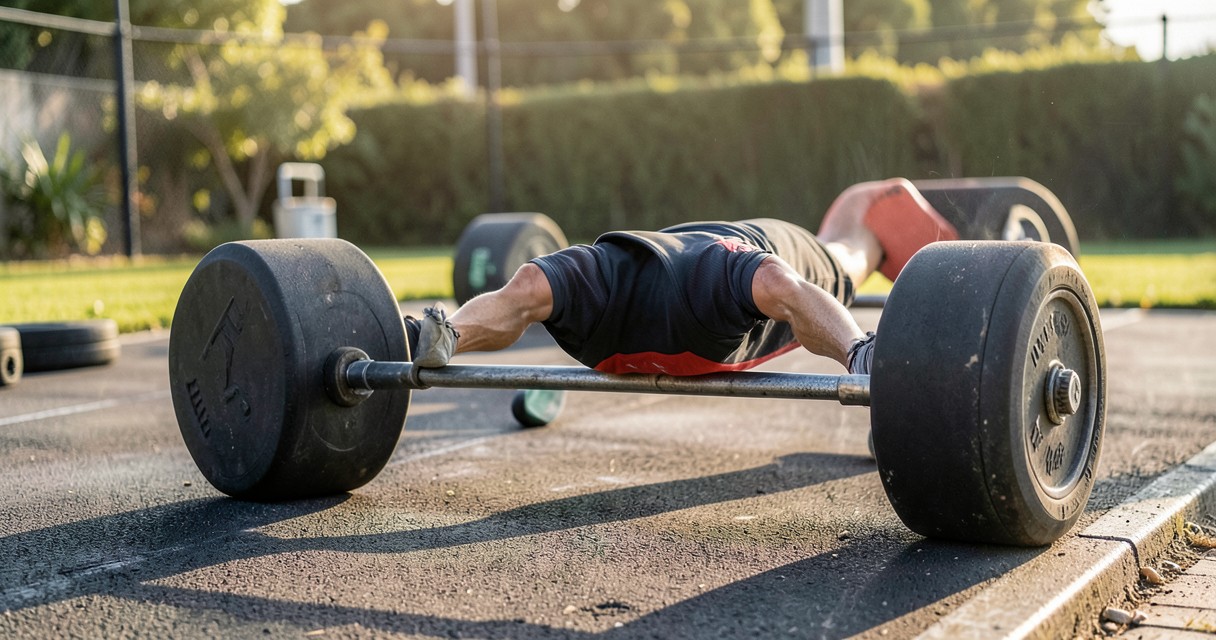
Another essential exercise is the “single-leg Romanian deadlift,” which strengthens the hamstrings and glutes while improving balance. This unilateral movement is particularly useful for soccer players, who often need to generate power from one leg. Coaches should emphasize keeping the hips level and the knee slightly bent to protect the joint. For added difficulty, players can hold dumbbells or kettlebells in each hand, but the focus should remain on proper form rather than heavy weights.
Upper body strength also plays a role in soccer speed, particularly in arm drive and core stability. The “medicine ball rotational throw” is an effective exercise for building rotational power, which is used when changing direction or shielding the ball. Players stand sideways to a wall, rotate their torso, and throw the ball against the wall with both hands. The goal is to generate as much power as possible from the hips and core, not just the arms. This exercise also improves coordination between the upper and lower body, which is essential for efficient running mechanics.
Game-Like Speed Drills for Match Realism
Speed training is only effective if it translates to the field. The “1v1 pressure drill” is one of the best ways to train speed under game conditions. Two players start 20 yards apart, with one player acting as the attacker and the other as the defender. The attacker must dribble past the defender and reach a designated line before the defender can touch the ball. This drill forces the attacker to accelerate quickly while under pressure, just as they would in a match. Coaches should rotate roles so both players get experience in attack and defense.
Another realistic drill is the “overload sprint,” where a player starts with their back to the goal and must turn and sprint to receive a pass. This replicates the movement of a forward checking back to receive the ball before turning and attacking. The key is to accelerate as soon as the pass is played, not after receiving it. This small detail can be the difference between beating a defender to the ball and losing possession. Adding a defender to the drill increases the pressure and makes the exercise even more game-like.
The “small-sided game with speed zones” is a great way to incorporate speed training into team sessions. Coaches set up a small field with designated speed zones, where players must sprint to enter or exit. For example, a player might need to sprint through a 10-yard zone before receiving the ball, forcing them to accelerate into space. This drill trains players to recognize when and where to use their speed in a game, rather than just running fast for the sake of it. The best speed training programs blend physical conditioning with tactical awareness, ensuring that players can execute high-speed movements when it matters most.

I’ve been kicking a ball around since I could walk, and the strategy behind the beautiful game never stops fascinating me. I love breaking down match tactics and sharing the stories of players who make football unforgettable.