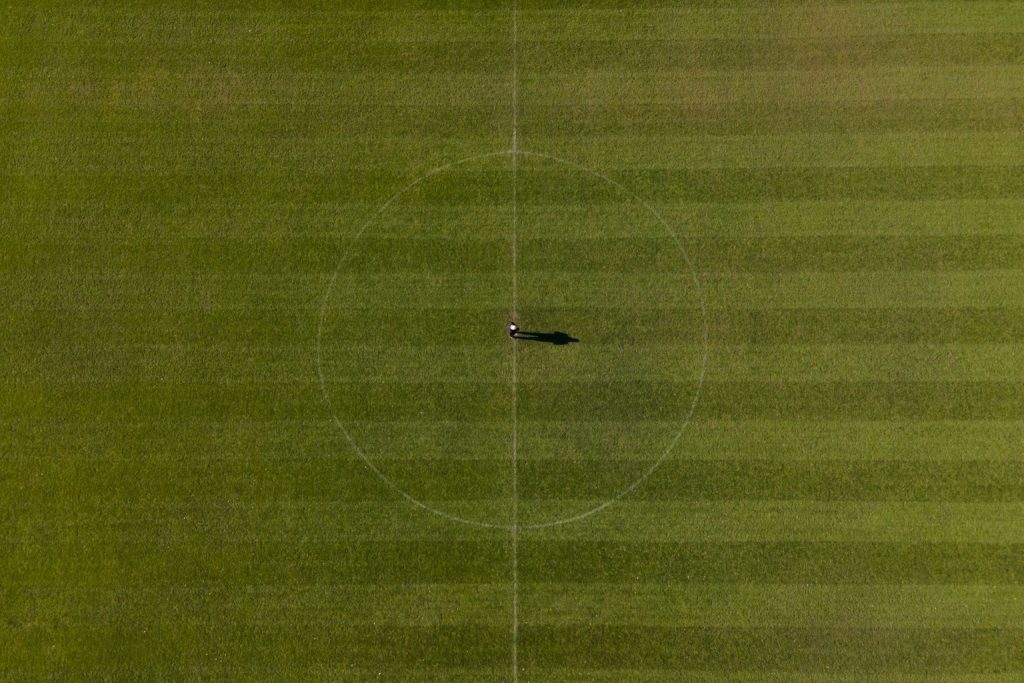
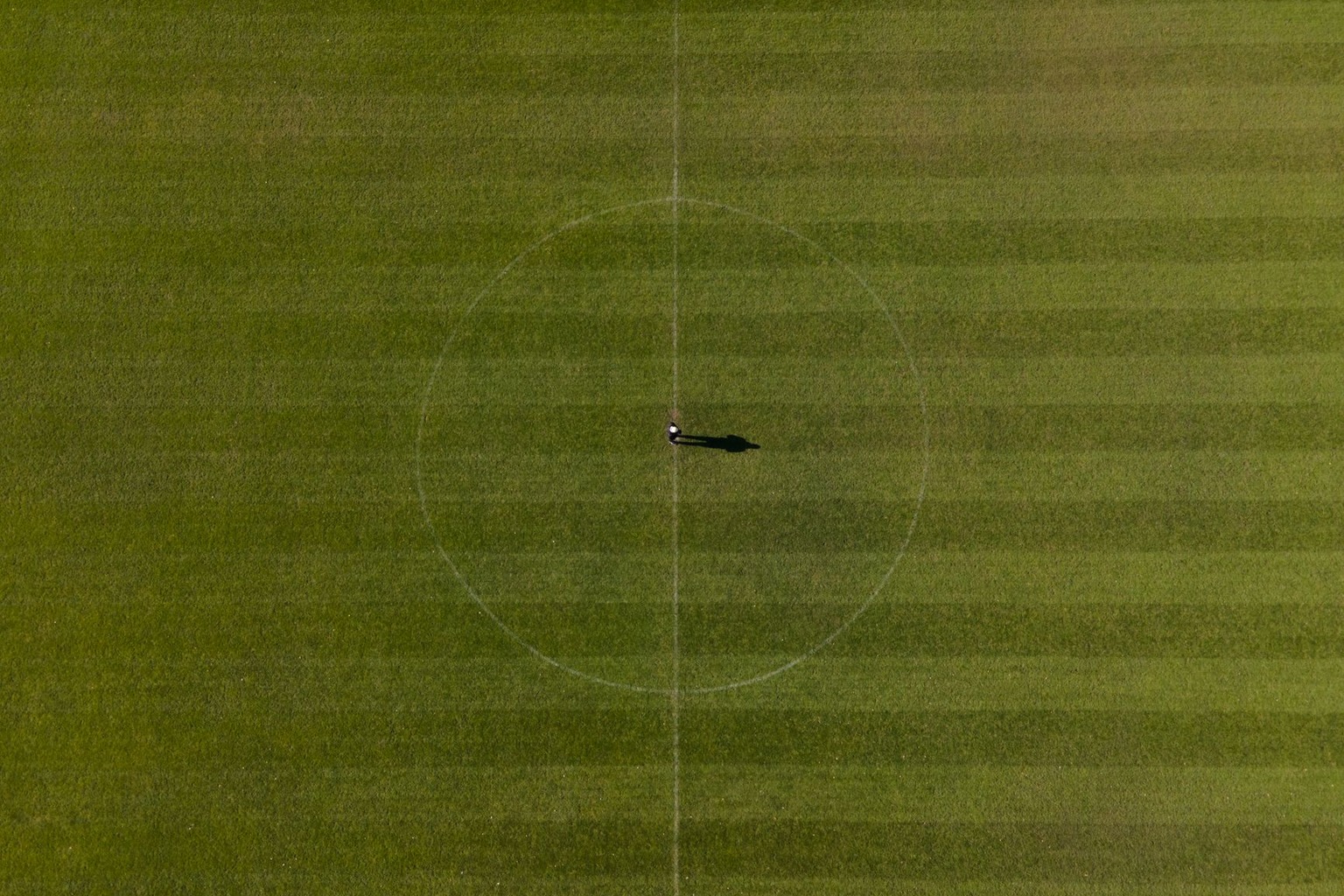
Football matches are rarely decided in the penalty boxes because the real battleground sits right in the middle of the grass where every transition starts and dies. Controlling this territory requires a very specific type of player who can orchestrate tempo, break up opposition attacks, and distribute the ball with surgical precision under intense pressure. Managers build their entire tactical systems around this engine room position because the entire team relies on their spatial awareness and decision-making speed. Finding the right talent for this zone often dictates whether a club lifts trophies or struggles to maintain possession against high-pressing opponents. Analyzing how these athletes operate demands a close look at their tactical responsibilities, physical demands, and psychological traits.
Tactical Awareness and Spatial Control
Positioning in the center of the pitch is less about running the furthest distance and more about being in the exact right spot before the ball even arrives. A top tier engine room operator constantly scans the surroundings, checking shoulders and mapping the movement of both teammates and adversaries. This habit of constant observation creates extra time on the ball, allowing the player to scan options and execute passes that bypass defensive blocks. Without this acute spatial awareness, teams quickly lose structural integrity and expose their backline to swift counterattacks from opponents. Coaches value players who read the game three steps ahead because they prevent fires before they even start to burn.
Controlling the tempo of a match is a subtle art that separates average performers from genuine world class metronomes who dictate the rhythm. When the opposition applies suffocating pressure, these smart operators slow the pace down with short, safe sideways passes to retain possession and frustrate the runners. Conversely, as soon as a gap appears in the defensive shell, they accelerate the attack with vertical balls that catch the opposition completely out of shape. Managing these fluctuations in speed requires immense emotional intelligence and composure on the ball, especially during the final ten minutes of a tight fixture. Squads that lack this steady heartbeat usually panic under pressure and surrender possession cheaply.
Defensive positioning requires immense discipline, particularly when the opponent transitions quickly from a defensive block into a fast counterattack. The ideal central midfielder must anticipate where the second ball will drop, positioning themselves in the passing lanes to intercept forward passes before they reach dangerous attacking players. This duty involves blocking passing angles rather than diving into reckless tackles that leave massive gaps behind the midfield line. Modern managers demand defensive solidity from every player in the engine room, turning technical playmakers into tactically sound disruptors who break up opposition momentum consistently.
Physical Demands and Endurance Metrics
Modern soccer matches require athletes to cover upwards of twelve kilometers per game while executing high intensity sprints every few minutes. The engine room occupant bears the brunt of this physical burden, shuttling constantly between their own penalty box and the final third of the pitch. Aerobic capacity must be exceptional because fatigue leads to mental lapses, poor passing accuracy, and missed defensive assignments during critical phases of the contest. Training sessions for these positions focus heavily on interval running and recovery drills to simulate the erratic bursts of energy demanded during real match scenarios.
Duels in the congested center of the pitch are fiercely physical, requiring core strength and balance to shield the ball from aggressive tacklers. Players cannot rely solely on finesse anymore, as opponents will crowd them out and use legal body contact to win back possession in dangerous areas. Developing a low center of gravity helps smaller athletes protect the ball under pressure, while taller players use their frame to fend off challenges effectively. This combination of stamina and physical resilience allows the player to remain a dominant presence from the opening whistle to the final stoppage time minute.
Technical Mastery under Intense Pressure
Receiving a pass with two opponents closing down at high speed demands an exceptional first touch that guides the ball away from danger instantly. Players at this level spend countless hours perfecting their receiving techniques, using their body shape to hide their intentions until the very last second. A clean trap opens up the entire pitch, whereas a heavy touch invites immediate challenges and can trigger a disastrous turnover in possession. This technical foundation is non-negotiable for anyone operating in the tactical core of a top professional club.
For a deeper dive into movement and positioning, watch this helpful breakdown from The Intelligent Footballer right here.

Passing range is another vital component, requiring the ability to switch play with sweeping cross field balls or slide delicate through balls between compact defenders. Executing these passes accurately requires precise weight distribution and spin, ensuring the teammate can control the ball without breaking stride. A diverse passing repertoire keeps the opposition guessing, preventing them from simply sitting in a predictable block and cutting off standard passing lanes. Coaches evaluate potential signings based on their completion percentage under pressure and their willingness to attempt high risk vertical passes.
Psychological Resilience and Leadership
The mental fortitude required to demand the ball when things are going wrong separates true leaders from passengers who hide during difficult moments. When a team is trailing away from home and the crowd is hostile, the engine room maestro must show the courage to ask for possession and calm the nerves of nervous teammates. This mental toughness prevents the entire squad from collapsing under pressure and helps maintain the tactical game plan designed by the coaching staff. Leadership in this area of the pitch is communicated through body language, vocal direction, and consistent actions on the grass.
Dealing with referee decisions, trash talking opponents, and the immense weight of expectations requires thick skin and absolute emotional control throughout the ninety minutes. A rash reaction or a frustrated retaliation can easily result in a red card that leaves the team a player down and ruins the entire match strategy. Exceptional athletes channel their aggression into winning tackles and chasing lost causes rather than arguing with officials or losing their focus. This emotional maturity takes years of top level experience to cultivate, making veteran presence invaluable during high stakes cup fixtures.
Adaptability Across Different Formations
Tactical trends shift constantly, forcing modern players to adapt their roles depending on whether their manager employs a flat double pivot or a dynamic three man combination. In a two man partnership, each player must shoulder an equal share of both defensive dirty work and creative output without relying on a third teammate for cover. Meanwhile, operating in a trio often allows for specialized assignments where one player holds position while the other two roam forward to support the attack. Understanding these shifting dynamics is essential for any athlete looking to succeed under multiple different managers throughout a long career.

Facing different tactical setups means the player must recognize opposition weaknesses on the fly and adjust their positioning without needing instructions from the sideline. If an opponent marks man to man, the midfielder has to drag their marker out of position to create space for overlapping fullbacks or surging wingers. This tactical fluidity transforms the individual into a coach on the pitch, capable of solving complex defensive puzzles within seconds of kickoff. Such versatility ensures that the team remains unpredictable and dangerous regardless of how the opponent chooses to line up.
The Evolution of the Modern Playmaker
Gone are the days when a central midfielder could simply afford to be a luxury playmaker who walked around waiting for the ball to arrive at their feet. Today’s game demands a complete hybrid athlete who combines the defensive work rate of a destroyer with the vision and elegance of a classic number ten. This evolution has changed recruitment strategies across Europe, as sporting directors hunt for multi-functional talents who can excel in multiple phases of play without any obvious weaknesses. Scouting reports now heavily emphasize defensive recovery metrics alongside progressive passing statistics to measure true value.
Analyzing individual performance data has also revolutionized how these athletes train and prepare for upcoming opponents during the grueling weekly schedule. GPS tracking vests and video analysis sessions highlight exact positioning errors, allowing players to refine their movement and make better decisions under pressure during actual matches. This marriage of traditional coaching wisdom and modern sports science creates players who are sharper, faster, and more tactically astute than ever before in the history of the sport.

I’ve been kicking a ball around since I could walk, and the strategy behind the beautiful game never stops fascinating me. I love breaking down match tactics and sharing the stories of players who make football unforgettable.