Knee injuries in soccer aren’t just a nuisance, they’re career interrupters. Whether it’s a torn ACL from a reckless slide tackle or chronic pain from overuse, the knee takes more punishment than any other joint in the game. The problem isn’t just bad luck; studies show adolescent players face a 30% higher risk of ACL tears when their recovery quality is poor, and that’s before factoring in the relentless lateral movements that define the modern game. The good news is that prevention isn’t about luck, it’s about targeted drills that strengthen the right muscles, improve landing mechanics, and teach players how to absorb force without collapsing their knees. Below, we’ll break down how to build a knee-proof training regimen, starting with the criteria for picking the right drills and ending with how to adapt them for different positions and fitness levels.
What Makes a Soccer Injury Prevention Drill Effective?
The best knee protection drills don’t just isolate the quadriceps, they work the hamstrings, glutes, and calves in sync, because that’s how the knee stabilizes in real-game scenarios. Research on adolescent soccer players highlights that recovery quality (how well muscles rebound after fatigue) directly correlates with injury risk, so drills should mimic the fatigue players experience in matches. For example, a single-leg squat is useless if it’s done at 50% body weight; the knee needs to handle the full load of a 180-degree turn while fatigued. Another key is variability, repeating the same landing pattern over and over trains muscle memory for disaster, not resilience. The drills should force players to adjust mid-movement, just like they do during a chaotic press or a last-ditch slide challenge. Finally, the drill should be position-specific; a striker’s knee demands different stability than a defender’s, so one-size-fits-all routines fail. Look for exercises that address these three factors: load, fatigue, and adaptability.
The Single-Leg Romanian Deadlift with Band Resistance
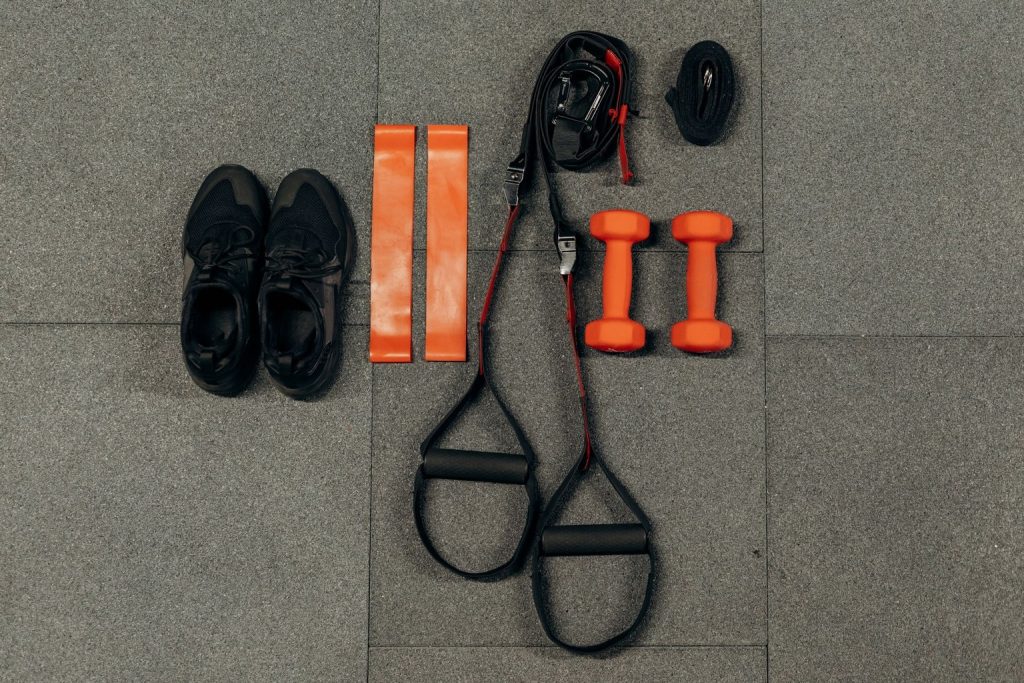
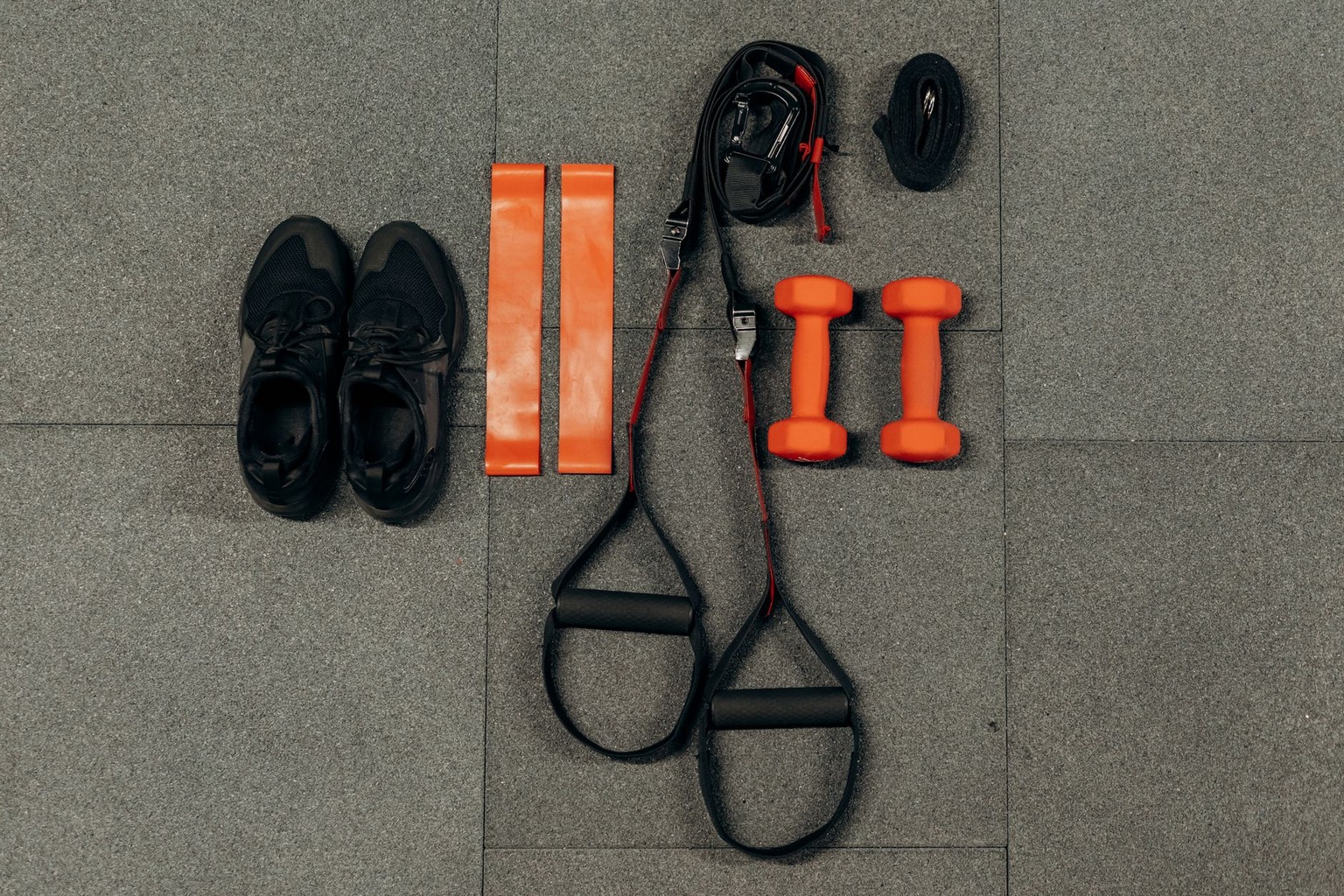
This isn’t your grandfather’s hamstring curl. The Romanian deadlift (RDL) with a resistance band targets the posterior chain, the glutes and hamstrings, while the single-leg component forces the knee to stabilize under eccentric load, which is where most soccer injuries happen. The band adds an unpredictable resistance that simulates the sudden deceleration of a defender checking a through ball. Start with 10-12 reps per leg, using a band anchored at mid-calf height; the tension should be light enough to challenge balance but heavy enough to make the glutes fire before the knee caves inward. The key is control: players should lower the heel toward the ground while keeping the torso upright, then drive through the heel to return to standing. This drill is perfect for defenders and midfielders who spend games braking sharply, but strikers can modify it by adding a slight hop at the top to mimic the explosive takeoff before a shot. The band resistance also teaches players to resist valgus collapse (the inward roll of the knee), a common fault in ACL injuries.
Lateral Hop-and-Land with Counter Movement
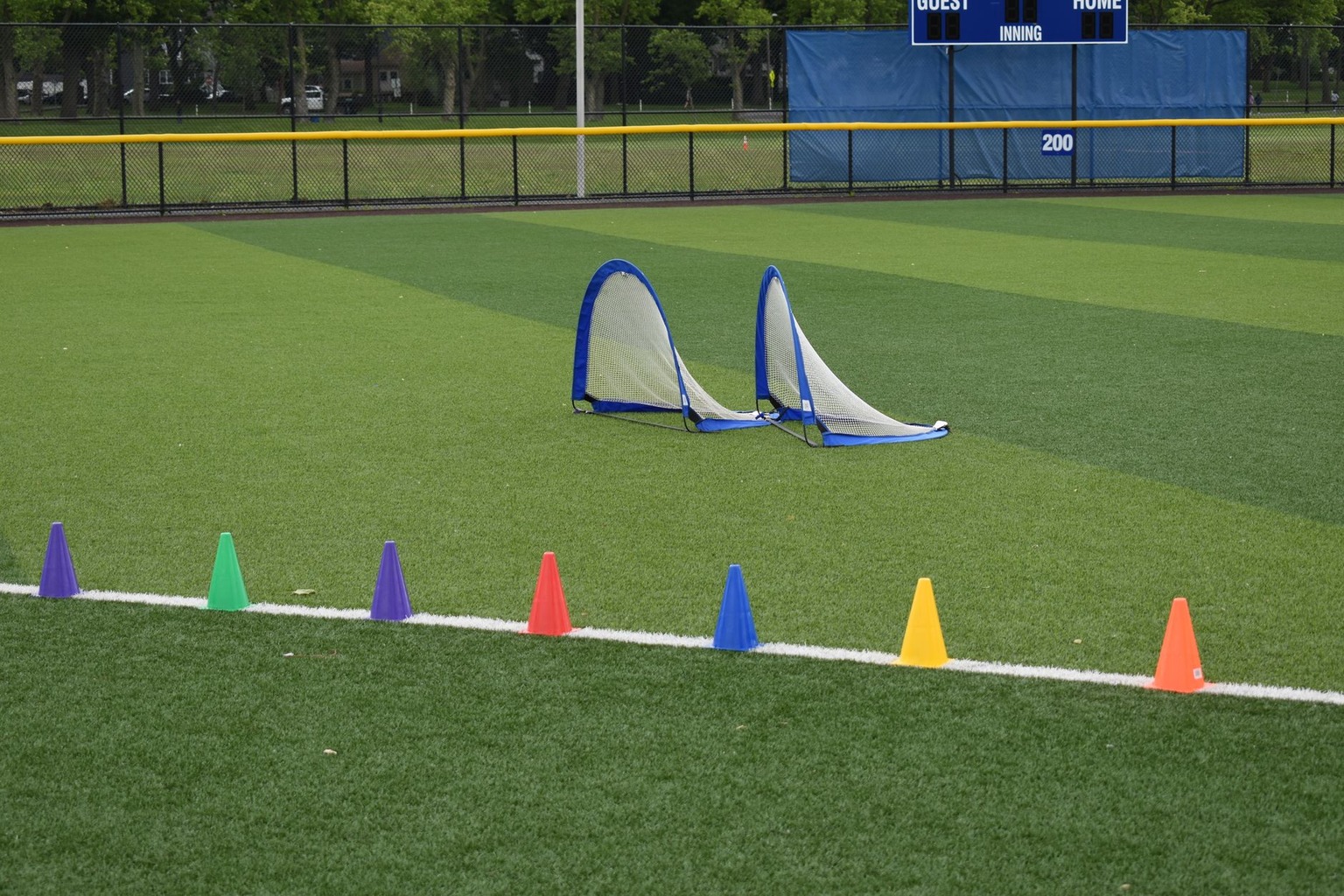
Soccer knees aren’t just vertical, they’re lateral. This drill forces players to land from a hop and immediately transition into a counter movement, like a defender reacting to a wide pass. Set up cones 3-4 feet apart and have players hop laterally from one to the other, landing softly on the balls of their feet before immediately squatting into a defensive stance. The counter movement is critical: players should land and push off into a low, athletic position in one fluid motion, not letting the knee buckle under the impact. Use a metronome to keep the tempo at 90-100 beats per minute to simulate match intensity. Studies on adolescent players show that those who land with their knees aligned over their toes (rather than collapsing inward) reduce ACL injury risk by 40%. This drill is brutal for the quads but builds resilience in the hip abductors, which are often underdeveloped in soccer players. For extra challenge, add a ball strike after landing, like a one-touch pass, to force the knee to stabilize under dynamic load.
Plyometric Box Jumps with Depth Jumps
Box jumps aren’t just for vertical leap training; they’re a brutal test of knee and ankle stability when combined with depth jumps. Start with a 12-18 inch box (adjust height based on player fitness) and have players explode upward, landing softly and immediately dropping into a depth jump, stepping off the box and landing in a half-squat. The depth jump teaches the knee to absorb force quickly, which is exactly what happens during a slide tackle or a collision in the box. The key is to land with the knees slightly forward of the toes and immediately drive back up, not letting the body collapse. Perform 3 sets of 5 reps per leg, with 2 minutes of rest between sets. This drill is ideal for players who rely on explosive movements, like strikers and wingers, but defenders should focus on landing with a wider stance to protect the knee from lateral forces. The depth component also mimics the fatigue players feel in the second half, when injuries are most likely to occur.
Resisted Sled Pushes for Eccentric Control
Sled pushes might sound like a strength-training cliché, but they’re one of the most underrated tools for soccer knee protection. The resistance forces players to control the eccentric (lengthening) phase of the movement, which is where most knee injuries happen during deceleration. Load a sled with 20-40% of the player’s body weight and have them push it forward in a controlled, low-squat position, focusing on driving through the heels. The key is to slow the descent, players should take 3-4 seconds to lower into the push, then explode upward in 1 second. This teaches the quadriceps and hamstrings to work in harmony, reducing the shear force on the knee. The drill is particularly useful for defenders and goalkeepers, who spend games pushing against opponents or sliding to their right. For an extra challenge, add a lateral component by pushing the sled in a zigzag pattern, which mimics the unpredictable directions of a match. The sled’s weight also simulates the fatigue of a full 90-minute game.
How to Choose the Right Drills for Your Position
The best knee protection routine isn’t a one-size-fits-all approach, it’s tailored to the demands of each position. Strikers and wingers, who rely on explosive vertical jumps and quick changes of direction, should prioritize plyometric drills like the box jumps and lateral hops. Their focus should be on landing softly and immediately transitioning into a counter movement, as their knees endure high-impact forces during shots and headers. Defenders, on the other hand, need to emphasize resisted sled pushes and single-leg RDLs to handle the lateral forces of checking through balls and sliding tackles. Goalkeepers fall somewhere in between, requiring both vertical stability for dives and lateral control for lateral movements. The key is to assess the player’s movement patterns: if a defender consistently collapses their knee inward during slides, they need more valgus-resistance work, like the banded RDLs. Similarly, a striker who lands with their knees caving in after jumps needs plyometric drills that reinforce proper landing mechanics.
When to Use These Drills in Training
Timing matters as much as the drills themselves. Research on adolescent soccer players shows that recovery quality, how well muscles rebound after fatigue, directly impacts injury risk, so these drills should be integrated into the warm-up, not just the cool-down. Start with 10-15 minutes of dynamic mobility (like leg swings and lunges) to prime the muscles, then hit the plyometric and resistance drills before the main session. This primes the nervous system for explosive movements and reduces the risk of overuse injuries later in training. For match-day preparation, use the sled pushes and banded RDLs as part of the pre-game routine to simulate the fatigue players will feel in the second half. The goal isn’t to exhaust the players, it’s to condition their bodies to handle the demands of the game without breaking down. Avoid doing these drills on consecutive days; instead, rotate them to allow for recovery and prevent overuse injuries. For example, plyometrics one day, resisted sled work the next, and single-leg drills on the third. This rotation ensures the knee stays resilient without accumulating fatigue.

I’ve been kicking a ball around since I could walk, and the strategy behind the beautiful game never stops fascinating me. I love breaking down match tactics and sharing the stories of players who make football unforgettable.