Understanding Overlapping Fullbacks in Soccer
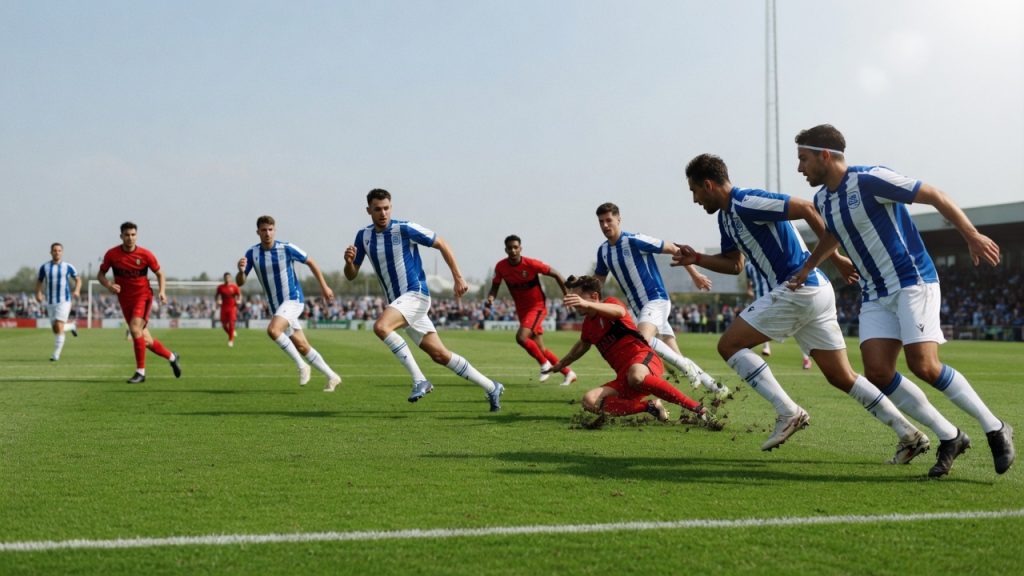
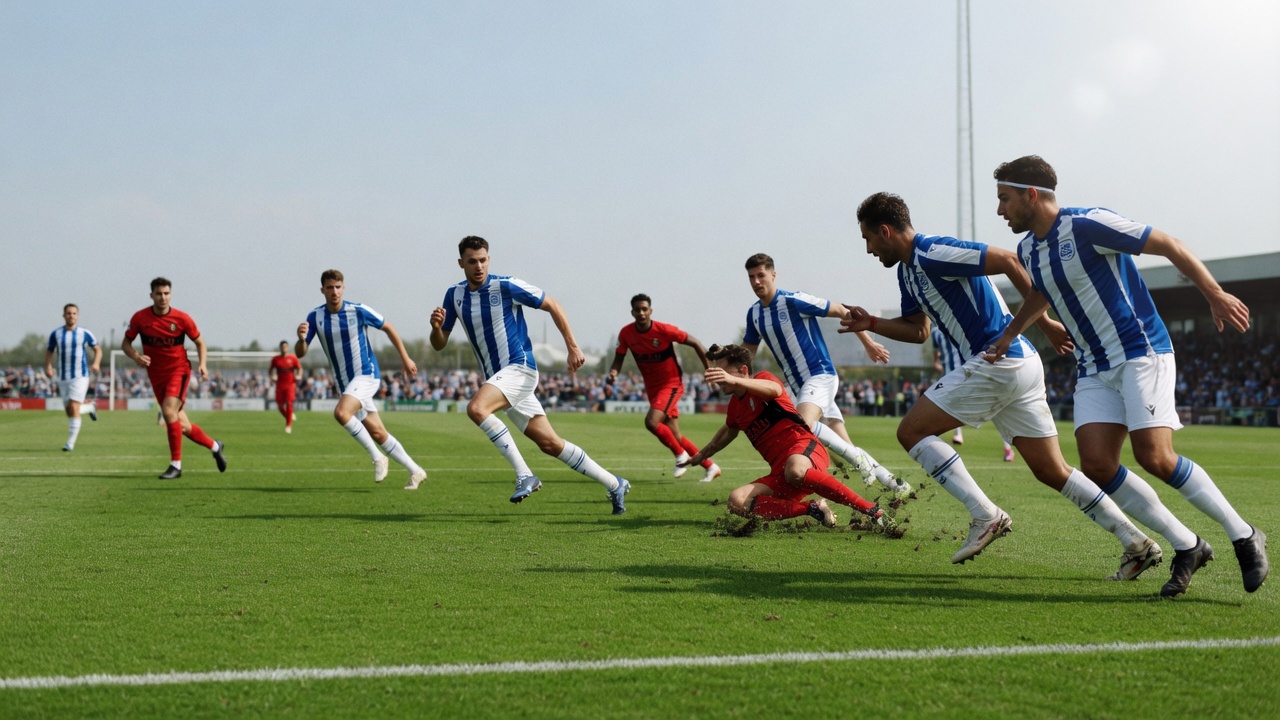
In modern soccer tactics, the role of overlapping fullbacks has become increasingly important, redefining traditional soccer positions and adding a dynamic dimension to both attacking and defensive phases of the game. An overlapping fullback is a defender, typically positioned on the flanks, who makes forward runs beyond the winger ahead of them to provide additional width and create numerical advantages in the attacking third. This tactical movement not only stretches the opposition’s defense but also opens up new passing lanes and crossing opportunities.
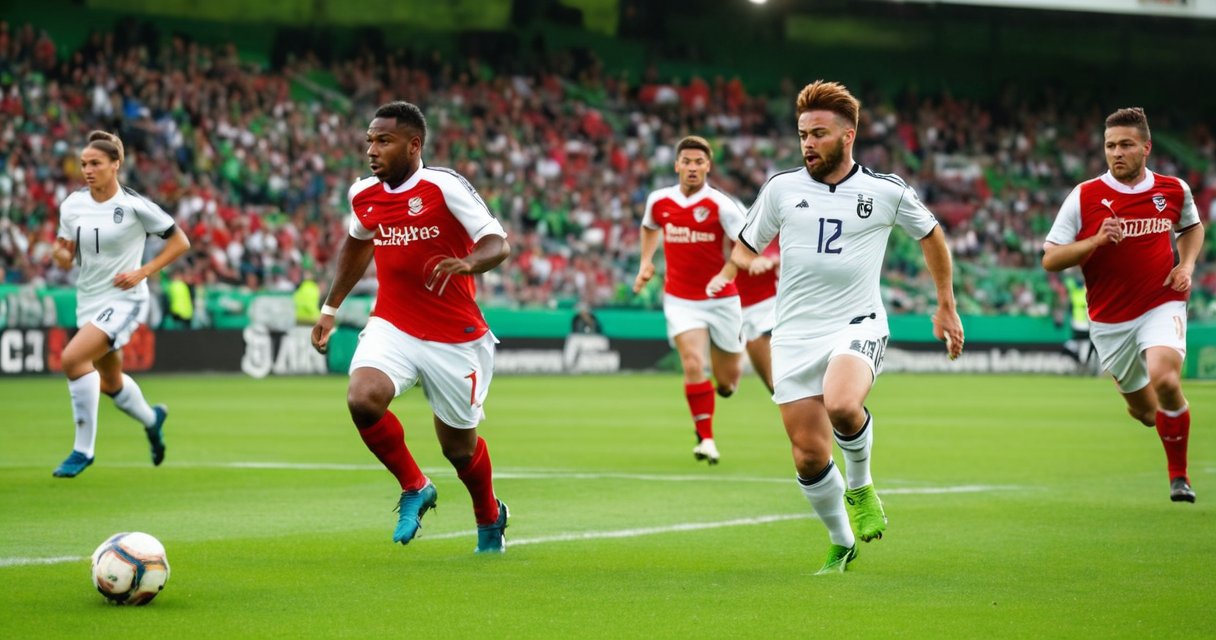
Traditionally, fullbacks were primarily tasked with defensive duties such as marking opposing wingers, blocking crosses, and maintaining a strong defensive line. However, as soccer tactics evolved, coaches began to exploit the fullbacks’ positioning to support attacks without compromising defensive solidity. Overlapping fullbacks now play a dual role, balancing defensive responsibilities with offensive contributions, often acting as auxiliary attackers who can deliver crosses or cut inside to shoot or combine with midfielders and forwards.
This transformation in fullback roles has been driven by the need for teams to maintain width and pace in wide areas, especially against well-organized defenses. By overlapping the winger, fullbacks can unbalance the opponent’s defense, forcing defenders to make difficult choices: follow the fullback out of position or stay with the winger. This creates space for the attacking team to exploit centrally or along the opposite flank. Moreover, overlapping fullbacks enhance ball progression through the midfield and create opportunities for quick switches of play, which are essential elements in many modern soccer tactics.
Understanding the overlapping fullback’s role is crucial for appreciating how contemporary teams blend traditional soccer positions with fluid tactical systems. These players must possess not only defensive skills but also stamina, speed, and technical ability to contribute effectively on both ends of the pitch. In essence, overlapping fullbacks have evolved from purely defensive guards to vital playmakers who significantly influence a team’s attacking prowess and overall tactical balance in soccer.
What is an Overlapping Fullback?
The overlapping fullback definition revolves around a defensive player who actively joins the attack by moving beyond the winger on their side of the pitch. Unlike traditional fullbacks who primarily focus on defense, an overlapping fullback uses their pace and stamina to create additional attacking options. This movement, often called a fullback overlap, involves the defender sprinting past the soccer wingback or winger to stretch the opposition’s defense and deliver crosses or cutbacks into dangerous areas.
In modern soccer tactics, the role of the attacking fullback has become crucial in breaking down compact defenses. By overlapping, the fullback can exploit the space left by the winger, destabilizing the opposing backline and offering the midfielders and forwards more passing outlets. The soccer wingback, sometimes interchangeable with the overlapping fullback depending on the formation, similarly contributes to offensive plays but often has a more central role in controlling the wide areas.
The fullback overlap is an essential tactic for teams looking to dominate possession and create width in their attack. This dynamic movement demands excellent timing, awareness, and endurance from the fullback to balance their defensive duties with forward thrusts. Ultimately, an overlapping fullback adds unpredictability and depth to a team’s attacking strategy, making them a vital asset on the field.
Tactical Advantages of Overlapping Fullbacks
Overlapping runs by fullbacks provide several tactical advantages that significantly enhance a team’s soccer offense. One primary benefit of these overlapping movements is the ability to create width on the field. By pushing forward along the flanks, fullbacks can stretch the opposing defense horizontally, opening up spaces in the middle for attackers and midfielders to exploit.
Another key advantage is the creation of overloads on the wings. When a fullback overlaps a winger or midfielder, it forces the opposition to make difficult decisions about marking assignments. This often results in numerical superiority in wide areas, giving the attacking team more passing options and increasing the likelihood of breaking down defensive structures.
Fullback support through overlapping runs also generates more scoring opportunities by delivering crosses or cutting inside to link up with forwards. These dynamic movements keep defenders unsettled and provide alternative routes for advancing the ball, contributing to a more unpredictable and versatile offense.
Incorporating overlapping fullbacks into a team’s tactical approach allows for sustained pressure on the opponent’s defense and fosters fluid combinations. Ultimately, these tactical advantages make overlapping fullbacks an essential element in modern soccer offense, helping teams control the game and increase their chances of scoring.
Key Skills and Attributes of an Effective Overlapping Fullback
To excel as an overlapping fullback in soccer, a player must develop a unique combination of physical and technical skills. The role demands not only defensive solidity but also the ability to contribute effectively to attacking plays. Central to this dual responsibility are fullback skills that balance speed and endurance with tactical awareness and ball control.
Speed and endurance are foundational attributes for any overlapping fullback. These players frequently cover long distances up and down the flank, supporting both defense and offense throughout the match. High levels of stamina enable the fullback to sustain their runs and maintain intensity from the opening whistle to the final minutes. Quick acceleration and top-end speed allow them to exploit space ahead of the winger, creating wide attacking options and providing overlap runs that stretch the opposing defense.
Crossing ability is another critical skill for an effective overlapping fullback. Once in advanced positions along the sideline, these players must deliver precise crosses into the opponent’s penalty area with varying degrees of pace and trajectory. The quality of their deliveries can directly influence scoring opportunities, making technical proficiency with both feet essential. Accurate crossing requires excellent timing, spatial awareness, and the capacity to read teammates’ movements to place the ball where attackers can capitalize.
Despite their offensive duties, a competent overlapping fullback must maintain strong defensive awareness. This involves understanding positioning, anticipating opposition attacks, and making timely interventions to regain possession or halt counterattacks. Defensive awareness also helps in deciding when to make forward runs and when to stay back, ensuring the team remains balanced and not exposed to threats. Effective communication with center-backs and midfielders is vital in coordinating defensive responsibilities.
In summary, mastering the fullback skills of speed and endurance, crossing ability, and defensive awareness enables an overlapping fullback to perform their demanding role effectively. By combining physical fitness with technical prowess and tactical intelligence, these players become invaluable assets both in thwarting opposition attacks and in fueling their team’s offensive momentum.
Physical and Tactical Requirements
Overlapping fullbacks play a crucial role in modern soccer, requiring a blend of exceptional physical fitness and high tactical intelligence. Speed is fundamental for these players, enabling them to quickly surge past opponents along the flanks and create attacking opportunities. Without adequate pace, the fullback risks being outpaced both offensively and defensively, diminishing their effectiveness in overlaps.
Stamina is equally vital, as fullbacks often cover extensive ground throughout the match. They must sustain their runs up and down the sidelines repeatedly, supporting both the attack and defense without a significant drop in performance. Superior endurance allows them to maintain pressure on the opposition while also recovering swiftly to defensive positions when possession is lost.
Tactical intelligence greatly influences a fullback’s ability to overlap successfully. Understanding the rhythm of the game, reading the opponent’s defensive shape, and knowing the optimal moments to join the attack are essential skills. Proper positioning, both on and off the ball, ensures that fullbacks exploit space without compromising their defensive duties. This careful balance between timing and placement defines the effectiveness of overlaps in unlocking defenses.
In sum, the combination of physical attributes like speed and stamina with sharp tactical awareness and precise positioning empowers fullbacks to execute overlapping runs efficiently. This synergy enhances the team’s width and attacking options while preserving defensive solidity.
Technical Skills: Crossing and Passing
The role of an overlapping fullback in soccer demands exceptional technical skills, particularly in crossing techniques and passing accuracy. When executing overlaps, the fullback often finds themselves in wide, advanced positions where delivering precise crosses into the box can create valuable scoring opportunities. Mastery of crossing techniques enables the fullback to send the ball with the right pace, trajectory, and timing, maximizing the chances for forwards to convert chances.
Equally important is passing accuracy, as overlaps involve quick exchanges between the fullback and midfielders or wingers to destabilize the opposing defense. Crisp, well-timed passes help maintain possession and open up attacking lanes. Without a high level of passing accuracy, the fluidity of the overlapping run breaks down, reducing the effectiveness of the attack support that a fullback provides.
Ball control is another critical component in these scenarios. The ability to control the ball smoothly under pressure allows the fullback to make timely decisions—whether to cross, pass, or continue dribbling. Good ball control enhances the execution of overlaps by maintaining attacking momentum and preventing turnovers.
In summary, the overlapping fullback’s contribution to attack support hinges on technical proficiency. Accurate crossing and passing, combined with confident ball control, create the foundation for successful overlaps that can break down defenses and increase scoring opportunities.
Implementing Overlapping Fullbacks in Your Soccer Team
Integrating overlapping fullbacks into your team strategy requires careful planning and focused fullback training. Overlapping runs not only provide width and attacking options but also create space and confusion for the opposition’s defense. To ensure seamless implementation, coaches must emphasize coordination between fullbacks, wingers, and midfielders in practice sessions.
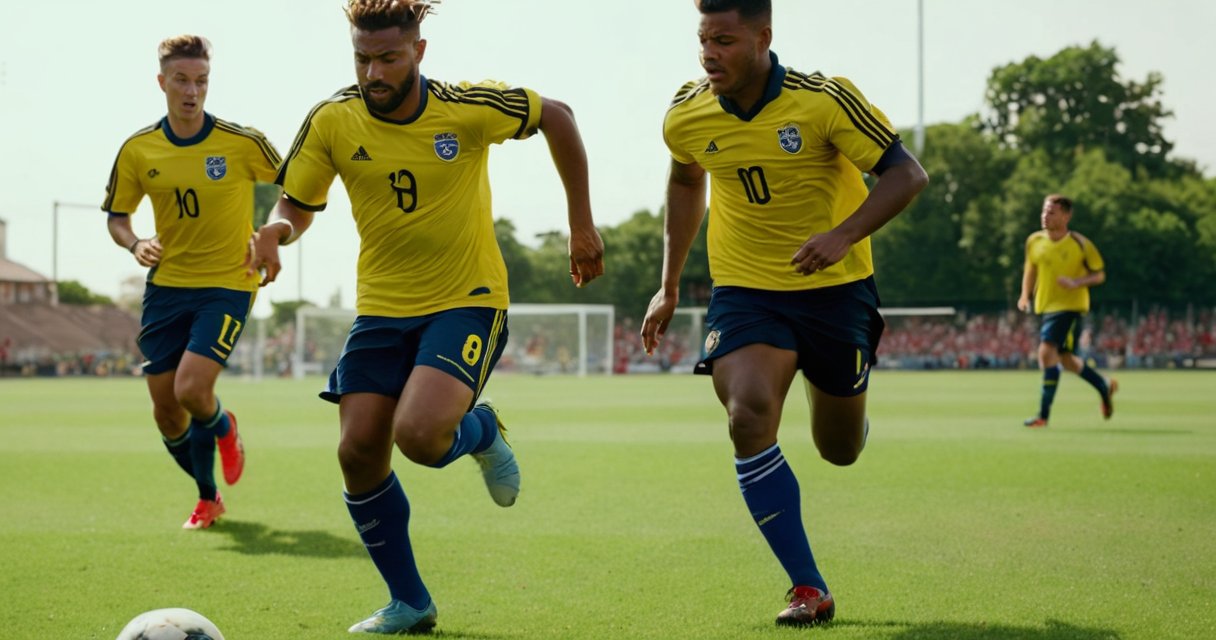
Start by analyzing your current soccer formation to identify the best positions and roles for your fullbacks. Formations such as 4-3-3 or 3-5-2 naturally accommodate overlapping fullbacks, encouraging them to push forward and support offensive plays while maintaining defensive responsibilities. Clarifying these roles helps players understand when and how to execute overlaps effectively.
Fullback training should include drills that reinforce timing, communication, and positioning. Overlapping drills are essential for developing players’ instincts to make overlapping runs at the right moments. These drills often involve practicing simultaneous movements with wingers, focusing on one-twos, and learning how to deliver precise crosses from wide areas.
Incorporate game-like scenarios during practice where fullbacks are encouraged to overlap and exploit spaces behind the opposition’s defense. Emphasize quick decision-making under pressure, ensuring that fullbacks know when to advance and when to retreat to preserve defensive structure. Combining these drills with video analysis can help players visualize successful overlaps in competitive matches.
Effective communication within the team is vital. Fullbacks must coordinate with midfielders and forwards to optimize overlapping runs. Use team meetings to discuss tactical approaches and encourage players to give feedback based on their experiences during drills and matches. This continuous dialogue will refine your approach to deploying overlapping fullbacks in your soccer formation.
Ultimately, implementing overlapping fullbacks enriches your team’s attacking arsenal and enhances tactical flexibility. With dedicated fullback training, targeted overlapping drills, and an appropriate soccer formation, your team can fully leverage the dynamic potential of overlapping fullbacks, creating more scoring opportunities and maintaining a solid defensive foundation.

I’ve been kicking a ball around since I could walk, and the strategy behind the beautiful game never stops fascinating me. I love breaking down match tactics and sharing the stories of players who make football unforgettable.