For footballers, the pre-match meal isn’t just fuel, it’s the foundation of performance. The right combination of good carbs for athletes ensures glycogen stores are topped up, energy levels stay consistent, and recovery begins before the whistle even blows. Skimping on this step means playing on empty, while the wrong choices can leave you sluggish mid-game. The difference between a match-winning start and a slow, sluggish first half often comes down to what you eat three to four hours before kickoff.
Why Timing Matters: The 3-4 Hour Window Before Kickoff
The timing of pre-match breakfast is crucial—athletes should aim to eat it three to four hours before kickoff. This gives your digestive system enough time to process the food without leaving you feeling heavy or bloated on the field. A meal consumed too close to kickoff risks stomach discomfort, while eating too early might leave you hungry or low on energy by halftime. For most footballers, this means waking up at 6:00 AM for a 9:00 AM match should translate to finishing breakfast by 8:00 AM at the latest. The key is balancing carbohydrate intake with protein and fiber to avoid a spike-and-crash in energy levels. Too much protein or fiber can slow digestion, while too few carbs mean your muscles won’t have the fuel they need for sprints and tackles.
Prioritizing Low-Fiber, High-Glycogen Carbs
When it comes to good carbs for athletes, footballers should focus on easily digestible, low-fiber options that convert quickly into glycogen. Foods like white rice, oatmeal, and whole-grain toast break down efficiently without weighing you down. These carbs provide a steady stream of glucose to your muscles, which is critical for maintaining intensity throughout the match. Avoid high-fiber foods like whole wheat bread or bran cereals, as they can cause digestive issues during high-pressure moments. Instead, opt for refined grains that have been stripped of most fiber, ensuring your body can absorb the energy fast. Think of it as giving your body a direct line to fuel without any unnecessary detours.
Protein: The Silent Performance Booster
While carbs dominate the pre-match plate, protein plays a supporting role that’s often overlooked. To maintain energy levels, footballers should consume around 10 to 20 grams of protein, which aids blood sugar stabilization and muscle recovery. Eggs, Greek yogurt, and lean meats like turkey or chicken are excellent choices because they digest quickly without causing sluggishness. The protein in these foods also helps with satiety, preventing hunger pangs from derailing your focus. Skip heavy, fatty proteins like steak or sausage, as they can linger in your stomach longer than you’d want before a match. The goal isn’t to overload your system but to provide a balanced foundation that complements the carbs.

The Hidden Danger of High-Fat Foods
Avoiding high-fat foods before a game is key, as they can slow digestion and disrupt energy levels during play. While fats do offer calories, they slow digestion and can leave you feeling sluggish mid-match. Foods like bacon, fried eggs, or buttery toast may taste great, but they’ll turn into a liability when you’re sprinting for the ball. Instead, opt for healthy fats in moderation, think avocado on toast or a drizzle of olive oil, rather than relying on them as the primary energy source. The body prioritizes fat metabolism when carbs are scarce, which isn’t ideal when you need quick, accessible fuel for explosive movements. Save the fatty meals for post-game recovery, where your body can process them without interrupting performance.
Hydration: The Unsung Partner to Carbs
No discussion of pre-match nutrition would be complete without addressing hydration, as it directly impacts how efficiently your body processes carbs. Dehydration slows digestion and reduces blood flow to muscles, making it harder for glycogen to reach where it’s needed. Aim to drink at least 16 to 20 ounces of water two hours before kickoff, and consider adding electrolytes if you’re prone to cramping. Sports drinks like Gatorade or coconut water can help maintain fluid balance without overloading your stomach. Avoid excessive caffeine, as it can act as a diuretic and dehydrate you further. Think of hydration as the lubricant that ensures your carb-based fuel system runs smoothly, without it, even the best meal won’t perform as expected.

Real-World Examples: Breakfast Ideas That Work
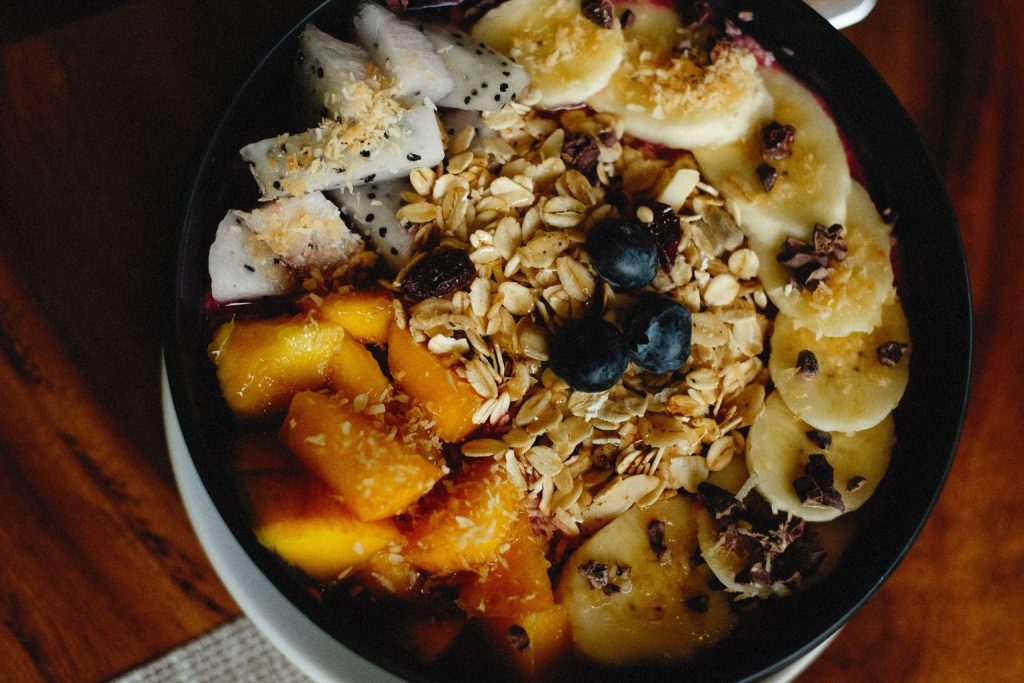
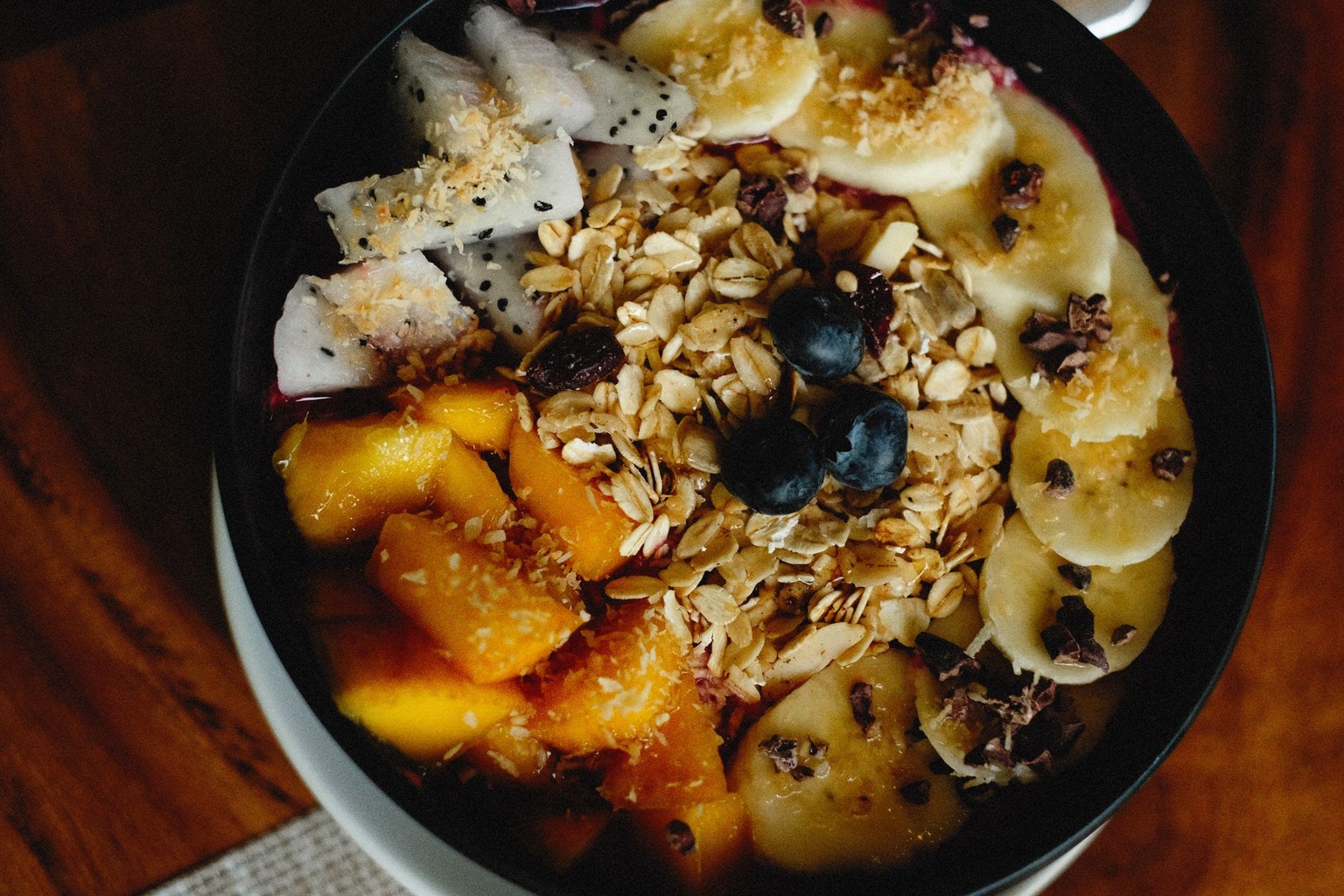
Putting it all together, here are three practical breakfast ideas tailored for footballers. First, a classic: white rice cooked with a poached egg and a side of turkey bacon. The rice provides quick carbs, the egg offers protein, and the turkey bacon adds a touch of fat without overloading you. Second, a simpler option, plain oatmeal topped with banana slices and a sprinkle of honey. The oats break down into easily digestible carbs, the banana adds natural sugars, and the honey provides a quick energy boost. Finally, a heartier choice: whole-grain toast with almond butter and a glass of low-fat milk. The toast gives you carbs, the almond butter adds healthy fats, and the milk provides protein and calcium. Each of these meals balances macronutrients while keeping digestion smooth, ensuring you’re ready to dominate from the first kick.

I’ve been kicking a ball around since I could walk, and the strategy behind the beautiful game never stops fascinating me. I love breaking down match tactics and sharing the stories of players who make football unforgettable.