Understanding Compact Defense in Soccer
Compact defense is a fundamental soccer defense tactic that emphasizes maintaining a tight, organized team shape to limit the opponent’s attacking options. By reducing the space between defenders and midfielders, teams practicing compact defense make it difficult for opponents to penetrate through passes or dribble past defenders. This approach prioritizes positioning and coordination, ensuring that players work collectively to close down gaps and force the opposition to play in less dangerous areas.
The essence of compact defense lies in the team shape. When a team adopts a compact formation, the lines of defense and midfield stay close together both horizontally and vertically. This minimizes the space available for attackers to exploit, effectively crowding the central areas of the field and forcing opposing players to play wide or attempt low-percentage plays. A well-maintained compact defense also facilitates quicker pressing and interceptions because players are positioned near each other to support defensive actions.
Implementing compact defense in soccer requires discipline and strong communication among teammates. Each player must understand their role within the team shape and respond quickly to shifts in the opponent’s attacking movement. This collective effort helps create defensive solidity and reduces the likelihood of conceding goals. Additionally, compact defense allows teams to conserve energy by reducing the need for extensive chasing of the ball, as space is limited for opponents to exploit.
In modern soccer defense tactics, the importance of compactness cannot be overstated. Teams that master compact defense gain a strategic advantage by controlling the areas that matter most in preventing scoring opportunities. It also creates better chances for counterattacks since recovering the ball in tight spaces often leads to quick transitions. Overall, compact defense is a vital component of any effective defensive strategy in soccer, contributing to both defensive stability and offensive potential.
Key Principles of Compact Defense
An effective compact defense in soccer hinges on several fundamental principles that ensure the defensive line remains cohesive and difficult for opponents to penetrate. One of the most crucial elements is defensive positioning, where each player must be aware of their role and spatial relationship to teammates and opponents. Good positioning allows defenders to cover dangerous areas on the field, maintain balance across the defensive line, and react efficiently to attacking threats.
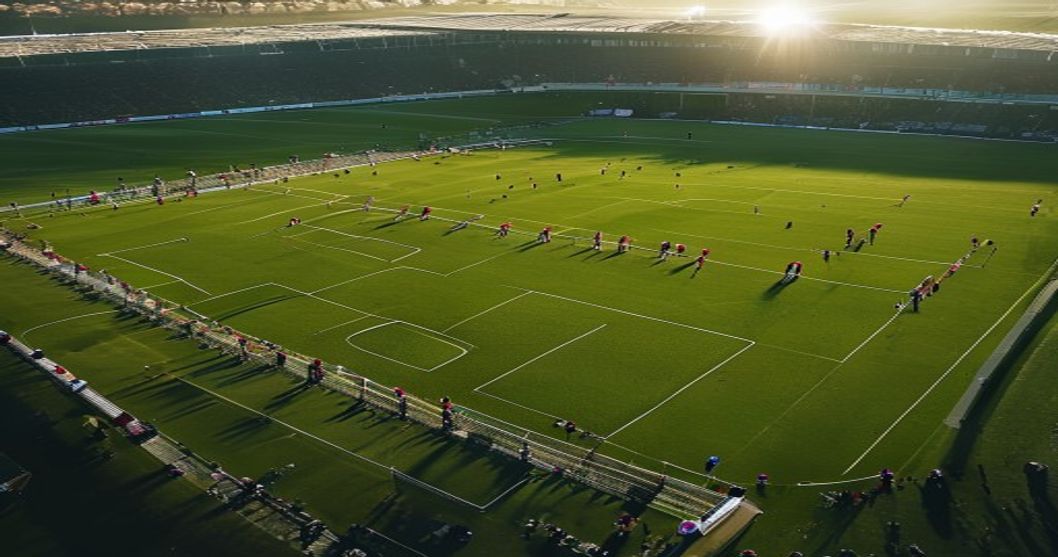
Pressure and cover form the backbone of a successful compact defensive setup. When one defender applies pressure by challenging the ball carrier, teammates provide cover by positioning themselves to intercept passes or engage subsequent attackers. This dynamic ensures that even if the initial defender is beaten, the defensive structure remains intact and capable of swiftly regaining control. It requires constant communication and understanding within the defensive unit to execute properly.
Maintaining optimal defense spacing is another key principle that defines compactness. Defenders must keep close enough to support each other but avoid crowding, which could open gaps for opponents to exploit. Proper spacing minimizes the risk of attackers finding pockets of space while maximizing the team’s ability to react and close down threats collectively. This balance also prevents the defensive line from becoming stretched vertically or horizontally, which can lead to easy breakthroughs.
Additionally, a compact defensive line prioritizes reducing the distance between the defensive and midfield units, effectively shrinking the zones attackers can operate in. By compressing the playing area and controlling critical channels, defenders limit passing options and force opponents to play wide or take lower-percentage shots. This spatial control is directly influenced by disciplined defensive positioning and coordinated pressure and cover movements.
Ultimately, mastering these principles—defensive positioning, pressure and cover, and defense spacing—allows a team to form a resilient and efficient compact defense. It discourages opponents from advancing centrally, minimizes goal-scoring opportunities, and increases the likelihood of regaining possession quickly. Coaches often emphasize drills and tactical training that reinforce these ideas, recognizing their pivotal role in successful defensive play.
Maintaining Narrow Defensive Lines
In compact defense soccer, maintaining narrow defensive lines is essential to ensuring team success. Narrow defense allows defenders to work closely together, enhancing defensive cohesion and making it difficult for attackers to exploit gaps. When the defensive line remains tight and organized, it minimizes the vertical and horizontal space available for opponents to maneuver.
The primary goal of a narrow defense is to reduce the space between defenders both laterally and in depth. This space reduction limits passing lanes and reduces the chances of opponents penetrating the defensive block. Additionally, a narrow formation forces attackers to move wider, limiting dangerous central plays where scoring opportunities are most likely.
Defensive cohesion is greatly improved by maintaining narrow lines because players can support each other more effectively. When defenders are close together, they are better able to communicate, cover for one another, and execute coordinated pressing or tackling actions. This synchronization creates a unified defensive wall that is considerably tougher to break down.
Ultimately, a narrow defensive line serves to control the critical areas of the pitch, forcing opponents into less threatening wide zones and encouraging turnovers. By consistently applying this principle, teams can sustain a compact defensive shape that frustrates attackers and enhances overall defensive solidity.
Effective Communication Among Defenders
Defender communication is crucial in maintaining a compact defense soccer strategy. When defenders communicate effectively, they create a unified line that is difficult for opponents to breach. This constant exchange of information allows players to adjust their positions dynamically, ensuring the defensive organization remains tight and structured. Each defender understands their responsibilities clearly, reducing gaps and overlaps that attackers could exploit.
Effective communication enhances team coordination by enabling defenders to anticipate threats and respond collectively. Through verbal cues and gestures, defenders alert each other to opponent movements, potential passing lanes, and emerging risks. This heightened awareness fosters quicker decision-making and synchronized actions, which are vital to keeping the defense compact. Coordination built on solid communication helps maintain the right distances among players, preventing attackers from finding easy spaces to penetrate.
Moreover, defender communication supports the overall defensive organization by linking the backline and the midfield. By constantly exchanging information, defenders and midfielders align their efforts, controlling the space in front of the goal. This integrated approach reduces the opponent’s options and increases the likelihood of successful interceptions or tackles. In essence, communication empowers defenders to operate as a cohesive unit, maximizing the effectiveness of a compact defensive system.
Benefits of Using Compact Defense
Employing a compact defense strategy is essential for teams looking to enhance their defensive solidity on the field. By maintaining a tight formation and reducing the spaces between defenders, teams can effectively close down gaps and limit the opposition’s opportunities to penetrate. This approach not only strengthens the backline but also fosters greater cohesion among the players, resulting in a more reliable and robust defensive unit.
Football Meta: The Ultimate Guide to Defending
One of the most significant benefits of compact defense is its ability to increase overall team resilience. When a team is compact, players support each other more effectively, making it harder for opponents to isolate and exploit individual weaknesses. This collective effort leads to a more disciplined and organized team that can withstand sustained pressure and quickly recover possession. As a result, the team remains tough to break down throughout the match.
Additionally, by reducing opposition chances through a tight defensive shape, teams gain greater control over the game’s tempo. The compact setup forces the attacking side to play wide or attempt low-percentage passes, which can be intercepted or challenged. This level of control enables a team to dictate play, disrupt the opponent’s rhythm, and create opportunities to launch counterattacks. Ultimately, compact defense not only limits the likelihood of conceding goals but also helps teams transition smoothly from defense to offense.
In summary, the use of compact defense significantly improves defensive solidity while promoting team resilience on the pitch. By minimizing the spaces available to the opposition, teams can reduce scoring chances and maintain control over the flow of the match. Implementing this strategy is key for any team aiming to build a formidable defense and increase their chances of success.
Training Drills for Improving Compact Defense
Developing a compact defense system requires focused soccer drills that emphasize close positioning, communication, and coordinated movements. These defensive exercises are designed to sharpen players’ understanding of spacing, reduce gaps between defenders, and enhance team cohesion. Incorporating these team defense training methods into your sessions will prepare your squad to effectively stifle opponents’ attacking options.
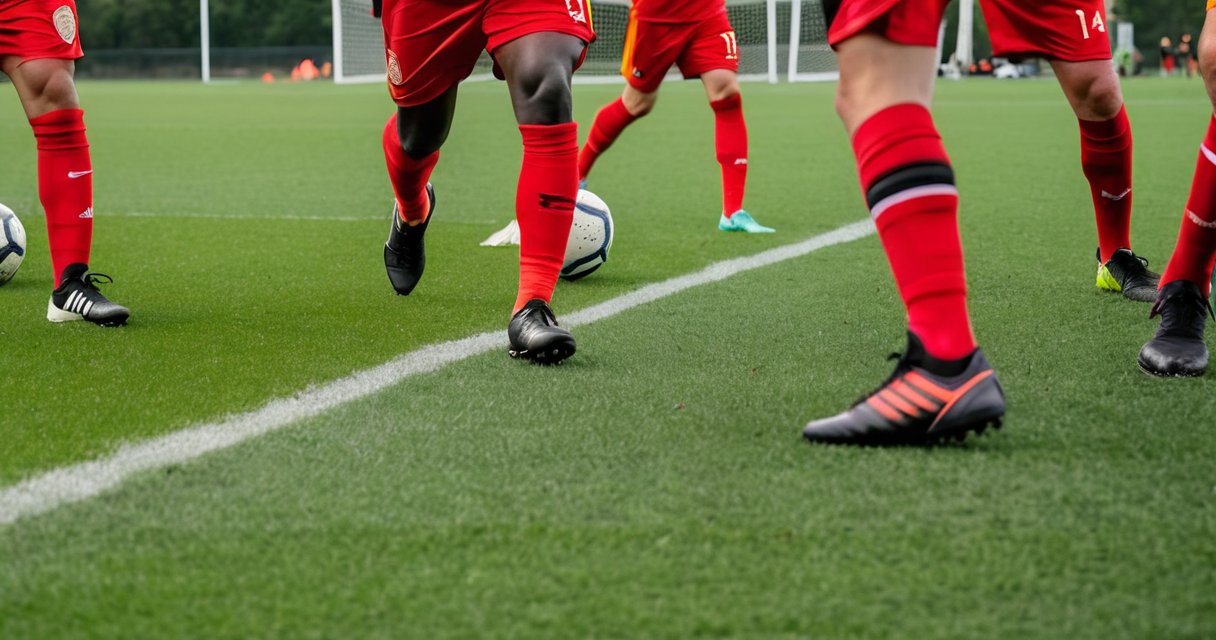
One highly effective soccer drill is the “Gate Drill.” Set up cones to create several small gates spaced closely together within the defensive third of the field. The defensive line must shift together laterally in unison, passing through the gates without breaking formation or spacing beyond the set distances. This drill improves players’ spatial awareness and encourages the compact alignment crucial in reducing opportunities for the attacking team to penetrate.
Another essential exercise is the “Pressure and Cover” drill. Divide your defenders into pairs and assign roles where one applies pressure on a ball carrier while the other provides cover behind. This paired defensive approach training helps players learn how to maintain tight formations while supporting each other. Coaches can integrate variations by having attackers try to dribble or pass through the defense, requiring quick adjustments to maintain the compact shape.
The “Zonal Marking Game” is a dynamic team defense training exercise where defenders must maintain their zones while managing attackers entering their space. Set up a small-sided game where each defender is responsible for a marked zone rather than a specific player. This drill pushes players to communicate constantly, anticipate threats, and shift cohesively to protect vulnerable spaces, reinforcing the principles behind a compact defense.
Finally, the “Recovery Sprint Drill” enhances defenders’ ability to quickly regroup and close gaps after losing possession. In this drill, defenders simulate being caught out of position and then sprint back to close down the attacking players tightly, ensuring the defensive block remains compact. It builds fitness, discipline, and the mental toughness needed for maintaining an effective compact defense through constant pressure and rapid repositioning.
Combining these soccer drills and defensive exercises depending on your team’s level and needs will significantly improve your squad’s ability to play a disciplined, compact defense. Implementing consistent team defense training sessions will build understanding and trust among defenders, ultimately increasing overall team resilience against opposing offenses.

I’ve been kicking a ball around since I could walk, and the strategy behind the beautiful game never stops fascinating me. I love breaking down match tactics and sharing the stories of players who make football unforgettable.