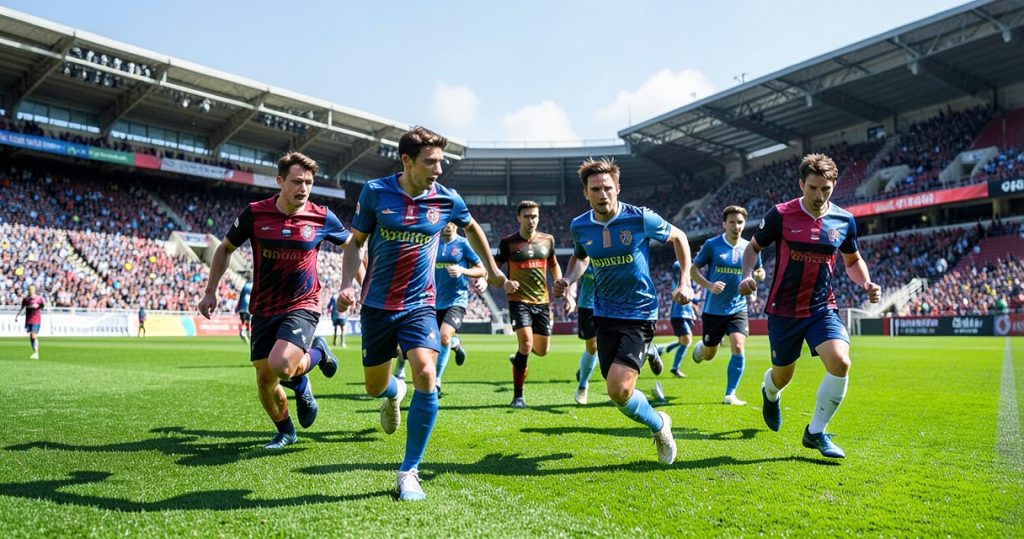
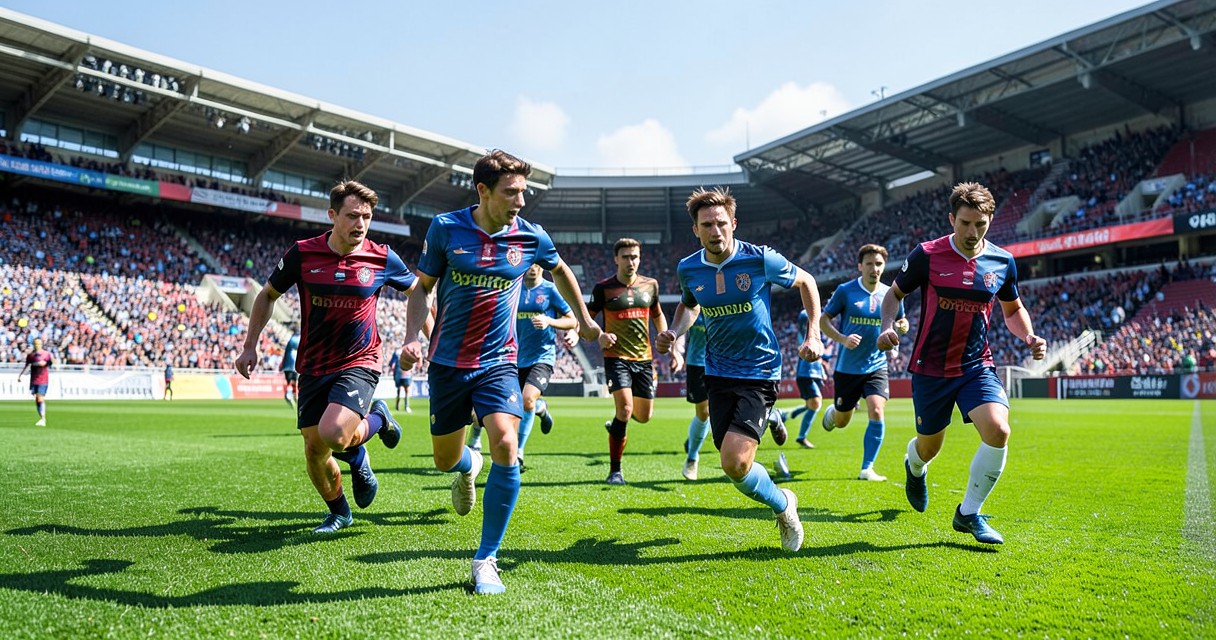
Tactical identity in soccer refers to the unique style and approach a team adopts to play the game, shaped by its culture, history, and philosophy. This concept transcends mere formations or strategies; it embodies how a team interprets the game, how players interact on the field, and how they respond to various situations during matches. A strong tactical identity not only enhances a team’s performance but also fosters a sense of unity and purpose among players and coaches. This article explores the components, significance, and examples of tactical identity in soccer, focusing on how it can lead teams to success.
Understanding Tactical Identity
Tactical identity can be defined as the distinct characteristics that dictate how a soccer team plays. This includes the formation, style of play, and the roles assigned to players. A team’s tactical identity is influenced by its coaching philosophy, player strengths, and historical context. For instance, teams like FC Barcelona and Manchester City are known for their possession-based styles, emphasizing short passing and maintaining control of the game. This identity is not static; it evolves with changes in personnel and coaching staff, but a core philosophy often remains intact, guiding the team’s approach to the game.
Coaches play a pivotal role in shaping a team’s tactical identity. They must assess their players’ capabilities and adapt their strategies accordingly. For example, a coach might favor a high-pressing system if the squad is filled with fast and energetic players. Conversely, a team with strong defenders might adopt a more conservative approach, focusing on solid defensive organization and counter-attacking opportunities. The success of such strategies often hinges on the players’ understanding and execution of the tactical identity established by their coach.
The Role of Culture in Tactical Identity
The cultural background of a soccer team significantly impacts its tactical identity. Teams from different regions often exhibit distinct styles of play that reflect their local traditions and values. For example, Latin American teams are often characterized by flair, creativity, and individual skill, while European teams may emphasize discipline, organization, and physicality. This cultural influence can be seen in the playing styles of national teams as well; Brazil is known for its samba soccer filled with skillful dribbling, whereas Germany often showcases a more structured and efficient style.
Moreover, the culture within a soccer club can shape its tactical identity. Clubs with a rich history, like Ajax, focus on developing young talent and playing attractive, attacking soccer, which is ingrained in their philosophy. This cultural approach not only influences how the team plays but also how it recruits players and develops talent through its youth academy. The tactical identity becomes a part of the club’s DNA, influencing generations of players and coaches.
Key Components of Tactical Identity
Several components contribute to a team’s tactical identity. The formation is one of the most visible aspects, determining how players are positioned on the field. Common formations like 4-3-3 or 3-5-2 can dictate a team’s style, whether it is focused on attacking play or defensive solidity. However, formation alone does not define tactical identity; it is the principles of play that underpin these formations that truly matter.
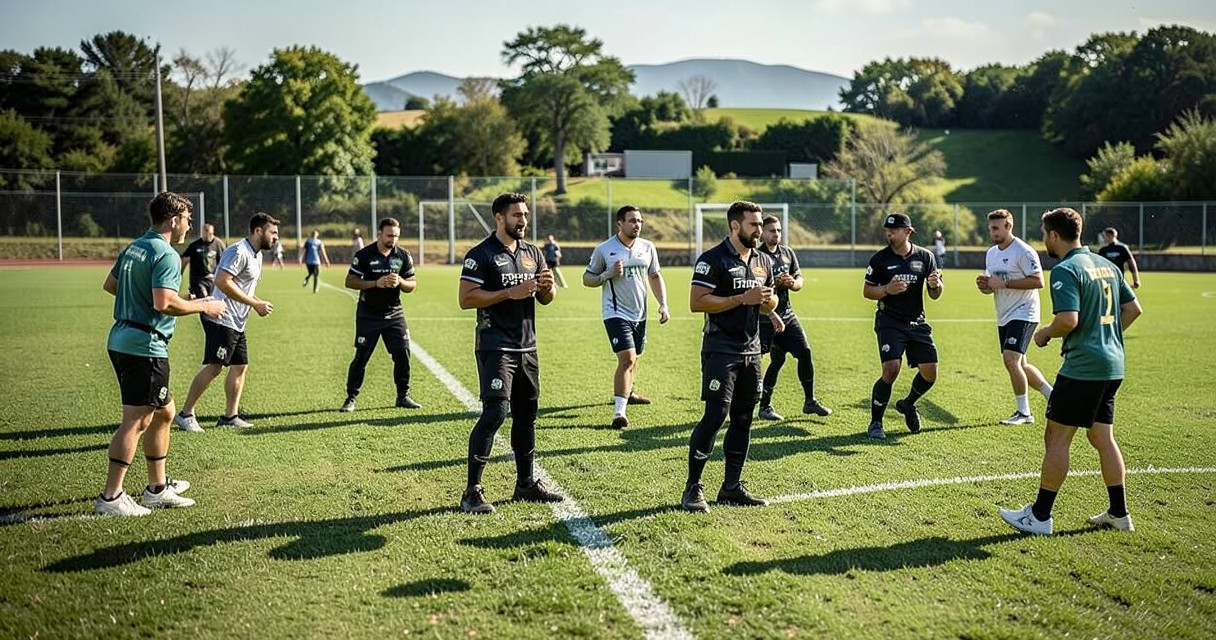
Another crucial component is the style of play, which encompasses how a team approaches attacking and defending. Some teams prioritize possession, seeking to control the game and create openings through intricate passing sequences. Others might adopt a direct approach, focusing on quick transitions and exploiting counter-attacks. The choice of style is often influenced by the players’ strengths and the coach’s philosophy, creating a cohesive tactical identity that aligns with the team’s capabilities.
Examples of Tactical Identity in Soccer
One of the most prominent examples of tactical identity is the Spanish national team during their golden era, particularly from 2008 to 2012. Under the guidance of coaches like Luis Aragones and Vicente del Bosque, Spain adopted a possession-oriented style known as “tiki-taka,” characterized by short passes and fluid movement. This approach not only led to a successful period where Spain won the UEFA Euro and the FIFA World Cup but also established a tactical identity that influenced clubs and national teams worldwide.
Similarly, teams like Liverpool and Manchester City have developed their own tactical identities under managers Jürgen Klopp and Pep Guardiola, respectively. Klopp’s gegenpressing philosophy emphasizes winning the ball back quickly after losing possession, while Guardiola’s approach focuses on positional play and creating numerical advantages in various areas of the pitch. Both styles are rooted in the coaches’ beliefs and have transformed their teams into dominant forces in club football.
The Impact of Tactical Identity on Performance
A well-defined tactical identity can significantly enhance a team’s performance on the field. When players understand their roles and the team’s style of play, it fosters confidence and cohesion. This understanding allows for quicker decision-making during matches, as players can anticipate each other’s movements and intentions. For instance, teams that practice a high-pressing game often see their players working in unison to win the ball back, creating scoring opportunities in the opponent’s half.
Moreover, a strong tactical identity can lead to greater resilience in challenging situations. Teams that are clear about their philosophy tend to remain composed under pressure, as they trust in their system and each other. This mental fortitude can be the difference between success and failure in high-stakes matches, where nerves and uncertainty can derail performance. The psychological aspect of a cohesive tactical identity cannot be overstated; it builds a strong team spirit that is crucial for success.
Challenges in Maintaining Tactical Identity
While a strong tactical identity can lead to success, maintaining this identity can be challenging, especially in the face of player transfers, injuries, or managerial changes. A new coach may bring a different philosophy that can disrupt the established style of play. For instance, when a club hires a manager with a contrasting tactical approach, players may struggle to adapt, leading to inconsistent performances on the pitch. This transition period can be critical for a team’s success, as it requires time to integrate new ideas and strategies.

Furthermore, the evolving nature of soccer means that teams must continually adapt their tactical identities to stay competitive. Opponents analyze successful strategies and often seek to counter them. As a result, teams must innovate and refine their approaches to maintain an edge. This constant evolution can lead to a dilution of the original tactical identity if not managed carefully, making it essential for clubs to strike a balance between tradition and innovation.
Future Trends in Tactical Identity
The landscape of soccer is ever-changing, and with it, the concept of tactical identity is evolving. As technology and data analytics play an increasingly significant role in the sport, teams are now able to gather detailed insights into their performance and that of their opponents. This data-driven approach can influence tactical decisions and lead to more adaptive styles of play, making teams more versatile and unpredictable.
Moreover, the rise of youth academies and a focus on developing homegrown talent are shaping the tactical identities of clubs. Teams that prioritize youth development often instill their philosophies from a young age, ensuring that players are well-versed in the club’s tactical approach by the time they reach the first team. This long-term investment in a clear tactical identity can yield significant rewards, as seen in clubs like Barcelona and Ajax, where the philosophy is seamlessly integrated into the fabric of the club.

I’ve been kicking a ball around since I could walk, and the strategy behind the beautiful game never stops fascinating me. I love breaking down match tactics and sharing the stories of players who make football unforgettable.