
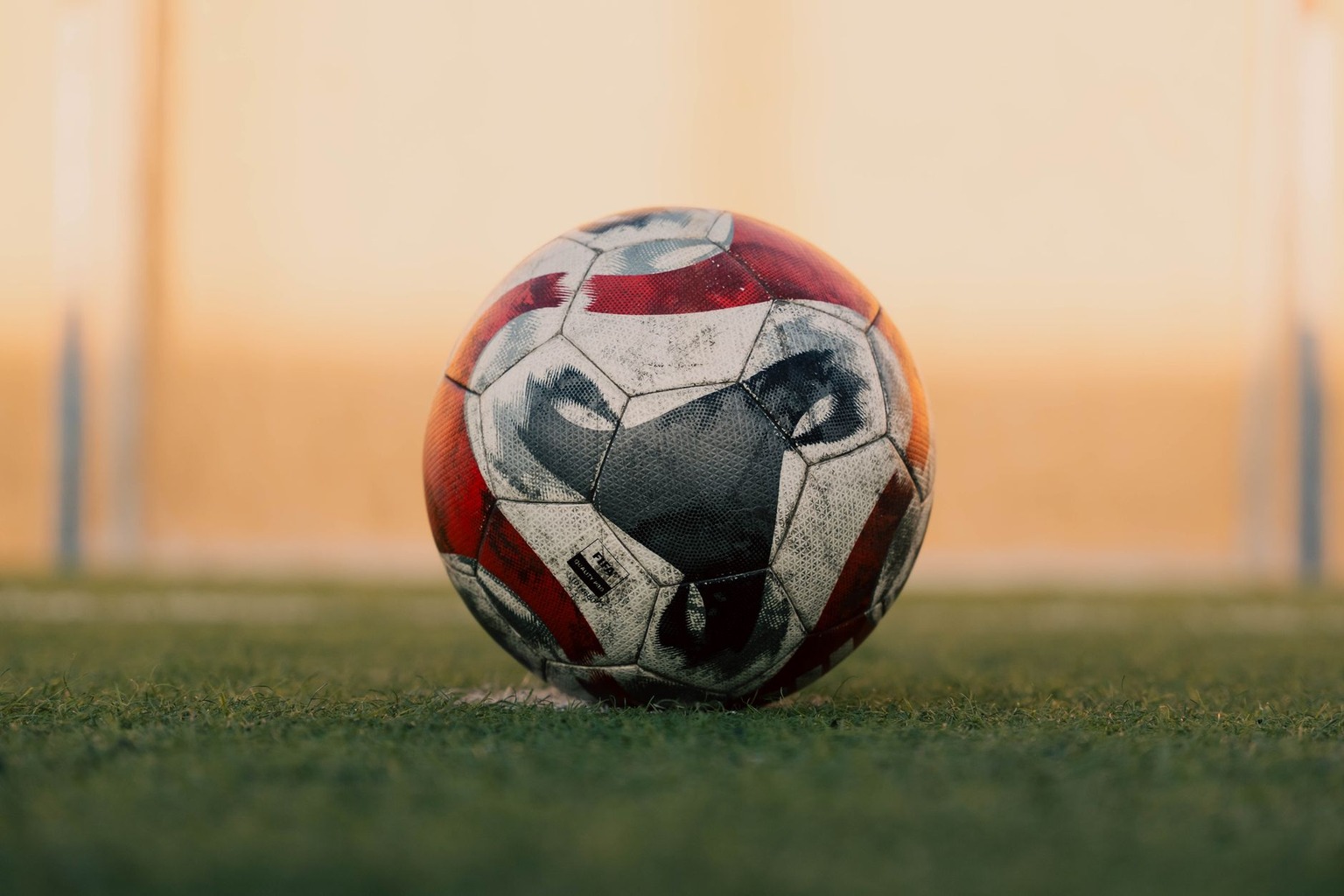
dominating the midfield requires a rare combination of spatial awareness, soft touches, and absolute composure under extreme pressure from opposing defenders. When a player receives a pass in a crowded area, the window to make a decision shrinks to milliseconds and dictates the success of the entire attacking sequence. Maintaining possession is the true currency of modern football because losing the leather cheaply invites dangerous counterattacks that can break a team defensive structure. Elite midfielders spend countless hours refining their touch so that the sphere remains glued to their boots regardless of how aggressively an opponent tries to tackle them. Exceptional ball control acts as the foundation for every great playmaker who wants to dictate the tempo of a match and frustrate the opposition.
The Physics of Soft First Touches
Receiving a high speed pass demands an absorbing cushion technique that kills the momentum of the sphere instantly upon impact. Players achieve this by withdrawing their receiving surface at the exact microsecond of contact, which effectively absorbs the kinetic energy of the incoming leather. If the ankle remains locked too rigidly, the ball will bounce away and create an immediate recovery window for nearby defenders who are hunting for possession. Professionals use the instep or the sole to cushion passes into safe pockets of space where they can instantly evaluate their next passing option. This physical adjustment separates amateur players who merely block the path of the ball from advanced technicians who treat the sphere like a fragile egg.
Body Shielding Mechanics in Close Quarters
Using the torso as a physical barrier against an opponent is an art form that keeps the sphere entirely out of the defender reach. The player must get low, bend the knees, and place a hip firmly against the chest of the charging challenger to establish a secure anchor point. By positioning the body between the opponent and the target object, the attacker forces the defender to commit a foul if they want to win the ball back. Maintaining a wide base of support prevents the player from getting knocked off balance during intense shoulder to shoulder duels in congested penalty box scrambles. Good shielding also relies on active arm placement to sense where the defender is moving without resorting to illegal pushing or grabbing.
Mastering ball control under high pressure transforms a frantic midfield battle into an orderly procession of calculated passes and deliberate attacking movements. Players who panic usually lash out at the incoming pass and surrender possession because they fail to trust their own technique and balance. Training drills should always replicate game speed conditions where defenders arrive late and physical contact is permitted within the rules of the sport. Repetition builds the necessary muscle memory so that the feet react instinctively to bouncing surfaces and erratic spins without requiring conscious thought from the player. Coaches notice that young athletes who embrace these defensive pressure drills develop into reliable professionals who rarely give the ball away cheaply.
Surface Selection for Optimal Trapping
Choosing the correct part of the foot or body to receive a pass depends entirely on the height, speed, and trajectory of the incoming leather. Ground passes are best controlled with the inside of the foot for maximum surface area contact, while bouncing balls require a gentle downward nudge using the sole. Chest and thigh traps are essential when dealing with long clearances or driven aerial balls that drop sharply out of the sky toward the midfielder. Each surface demands a different tension level in the muscles to ensure the ball drops softly to the turf instead of ricocheting into open space. Players practice these variations daily to ensure their first touch remains immaculate regardless of weather conditions or poor pitch quality.
On the Efford Elite channel, they cover how to fix your first touch, and you can watch it right here.

Manipulating Momentum with Close Dribbling
Once possession is secured, the player must move the sphere in tight spaces by utilizing rapid alternating touches with both the inside and outside of the boots. This method of running keeps the leather within thirty centimeters of the feet at all times, making it nearly impossible for a sliding defender to poke it away. changing the pace abruptly while keeping the ball glued to the foot forces opponents to overcommit and slide past the attacker in frustration. Quick shifts in direction require exceptional ankle flexibility and core strength to maintain balance while accelerating away from heavy marking. Defenders hate playing against technicians who can weave through narrow gaps without ever looking down at their feet during the sequence.
Spatial Scanning Before Receiving Passes
Elite playmakers always check their shoulders multiple times before the ball arrives to map out the positions of nearby teammates and aggressive opponents. This habit of continuous scanning creates a mental picture of the pitch, allowing the player to execute a one touch turn or quick pass instantly. Ignoring this scanning phase leads to blind turns into heavy traffic, which usually results in turnovers and immediate counter pressure from the opposing team. Training the neck and eyes to gather visual data during high intensity moments separates average squad players from world class playmakers who dictate matches. Spatial awareness ultimately dictates whether a player can maintain possession or gets swallowed up by an organized defensive press.

I’ve been kicking a ball around since I could walk, and the strategy behind the beautiful game never stops fascinating me. I love breaking down match tactics and sharing the stories of players who make football unforgettable.