

The question of whether women can play in the NFL is no longer just hypothetical, it’s a growing reality with clear pathways emerging, even if the traditional 11-on-11 gridiron remains the ultimate goal. While the NFL itself has not yet opened its doors to female players, the sport’s ecosystem is expanding rapidly, with flag football leagues, semi-professional circuits, and Olympic qualification systems offering tangible routes for female athletes to compete at high levels. These alternatives aren’t just stopgaps; they’re structured pathways that replicate the intensity and prestige of professional football while addressing the unique challenges women face in a sport historically dominated by men. The NFL’s stance on women in football isn’t entirely closed, it’s evolving. The league has partnered with TMRW Sports to launch a professional flag football league, a move that signals recognition of the demand and potential in female football. Meanwhile, the NCAA’s push toward flag football as a championship sport further validates the format as a viable alternative for women seeking to play at elite levels. But before diving into these options, it’s essential to understand the criteria that define a player’s readiness for these leagues and how to match skills with the right opportunity.
Assessing Readiness: What It Takes to Compete at the Next Level
Transitioning from high school or college football to a professional or semi-professional league requires more than just talent, it demands a combination of physical preparation, tactical adaptability, and mental resilience, can women play in the nfl. For women considering the path to play in leagues like the NFL’s flag football initiative or Olympic qualification, the first step is evaluating their current skill set against the demands of the game. Flag football, for instance, emphasizes speed, agility, and precision passing, with fewer physical collisions than tackle football. Players often need to refine their route-running, ball-handling, and decision-making under pressure, skills that are honed through specialized training camps and clinics.
The physical demands of flag football are significant but different from tackle football. Players typically need to maintain a body fat percentage below 20% for optimal performance, with a focus on explosive leg strength and core stability to execute quick cuts and evasive maneuvers. Endurance is also critical, games can last up to 60 minutes with minimal breaks, requiring players to sustain high-intensity efforts throughout. Many athletes start by joining local flag leagues to test their stamina and adapt to the pace before committing to higher-level competitions. For those coming from tackle football backgrounds, transitioning to flag often involves unlearning some defensive habits, like tackling technique, and focusing instead on defensive positioning and coverage drills.
Beyond physical attributes, mental toughness is non-negotiable. The competitive landscape for women in flag football is fierce, with leagues like the TMRW Sports circuit drawing players from diverse backgrounds, including former collegiate stars and international athletes. Players must be able to handle criticism, adapt to new coaching styles, and perform under the pressure of scouts and cameras. Many top prospects begin by joining semi-professional leagues, where they can refine their game while earning exposure. The NFL’s flag football league, for example, will feature a tryout process similar to the NFL Combine, where players undergo rigorous evaluations in speed, agility, and football IQ tests.
The TMRW Sports League: A Gateway to Professional Flag Football
The TMRW Sports league, launched in partnership with the NFL, represents one of the most direct pathways for women to play at a professional level in football. This league operates under a semi-professional model, offering players salaries, training stipends, and exposure to NFL talent evaluators. The league’s inaugural season is set to feature teams across the United States, with a focus on developing elite-level flag football players who can transition into other sports or coaching roles. Unlike traditional NFL teams, which have not yet committed to integrating women, TMRW Sports provides a clear path for female athletes to earn a living playing football.
What sets TMRW Sports apart is its emphasis on skill development and player welfare. The league includes a comprehensive training program that covers everything from injury prevention to advanced football strategies. Players are expected to train year-round, with a focus on strength and conditioning tailored to the demands of flag football. The league also partners with sports science experts to monitor player health, ensuring that athletes can perform at their best without risking long-term injuries. For women looking to break into professional football, TMRW Sports offers a structured environment where they can compete at the highest level while receiving support from industry professionals.
The tryout process for TMRW Sports is rigorous, mirroring the NFL’s approach to player evaluation. Prospective players must demonstrate speed, agility, and football IQ through a series of drills, including the 40-yard dash, shuttle runs, and ball-handling tests. The league also values leadership and teamwork, as evidenced by its emphasis on player development workshops. While the league is still in its early stages, its collaboration with the NFL suggests that it could serve as a stepping stone for women aiming to eventually play in the NFL or other professional circuits. For now, it’s the closest thing to a professional football league for women in the United States.
Olympic Flag Football: The Ultimate Stage for Female Athletes
For women who dream of competing on the global stage, Olympic flag football offers an unparalleled opportunity. The sport was officially included in the Los Angeles 2028 Olympics, a decision that has sparked a surge in interest and investment in women’s flag football. Qualification for the Olympics is highly competitive, requiring players to meet strict criteria set by the International Federation of American Football (IFAF). The qualification system is designed to ensure that only the best athletes represent their countries, with a focus on skill, experience, and international competition history.

The path to Olympic qualification begins with domestic leagues, where players can gain exposure and experience against top-tier competition. Many athletes start by joining national teams or participating in international tournaments, such as the IFAF World Championships. These events provide a platform for players to showcase their abilities to scouts and national coaches, who then select teams for Olympic qualification tournaments. The LA28 Olympics will feature a 6-on-6 format, with games lasting 40 minutes and a focus on high-speed, strategic play. Players must be prepared for the physical and mental demands of this level of competition, which includes intense training regimens and tactical adjustments.
One of the key advantages of Olympic flag football is its global reach. The sport is growing rapidly in countries like Brazil, Canada, and Australia, where national teams are investing heavily in development programs. For American players, this means competing against some of the best female football talent in the world. The qualification process is transparent, with clear criteria for team selection based on performance in international competitions. Players who make the cut will not only gain the prestige of Olympic representation but also the opportunity to earn sponsorships and media exposure, which can further their careers in football or sports management.
College and Semi-Pro Leagues: Building a Foundation
For many women, the journey to professional football begins in college or semi-professional leagues, where they can refine their skills and gain exposure. The NCAA has been a major driver of growth in women’s flag football, with over 100 college teams now competing at the championship level. These leagues provide a platform for players to develop under the guidance of experienced coaches and compete against top talent from across the country. Many collegiate stars go on to sign with semi-professional teams or professional leagues, using their college experience as a springboard for further success.
Semi-professional leagues, such as the Women’s Football Alliance (WFA) and the Independent Women’s Football League (IWFL), offer another avenue for female athletes to compete at high levels. These leagues operate on a more grassroots level, with teams often funded by local businesses or community organizations. While the pay may be modest compared to professional leagues, the experience gained in these circuits is invaluable. Players learn to adapt to different coaching styles, manage their own schedules, and develop the resilience needed to succeed in competitive environments. Many semi-pro teams also host tryouts for professional leagues, providing a direct pipeline for players to advance their careers.
The transition from college to semi-pro or professional football requires strategic planning. Players should focus on developing a niche skill set, such as elite passing accuracy or defensive coverage, that sets them apart from their peers. Networking is also crucial, many professional opportunities arise through connections made in local leagues or through social media platforms where coaches and scouts actively recruit talent. For women looking to break into the sport, joining a college or semi-pro team is often the first step toward achieving their goals in flag football or beyond.
International Leagues: Competing Abroad for Exposure
For female athletes seeking to elevate their game, international leagues offer a unique opportunity to gain exposure and experience against top-tier competition. Countries like Canada, Germany, and the Netherlands have invested heavily in women’s flag football, creating leagues that attract players from around the world. These leagues often feature higher salaries, better training facilities, and more competitive schedules than domestic circuits, making them an attractive option for players looking to take their careers to the next level.
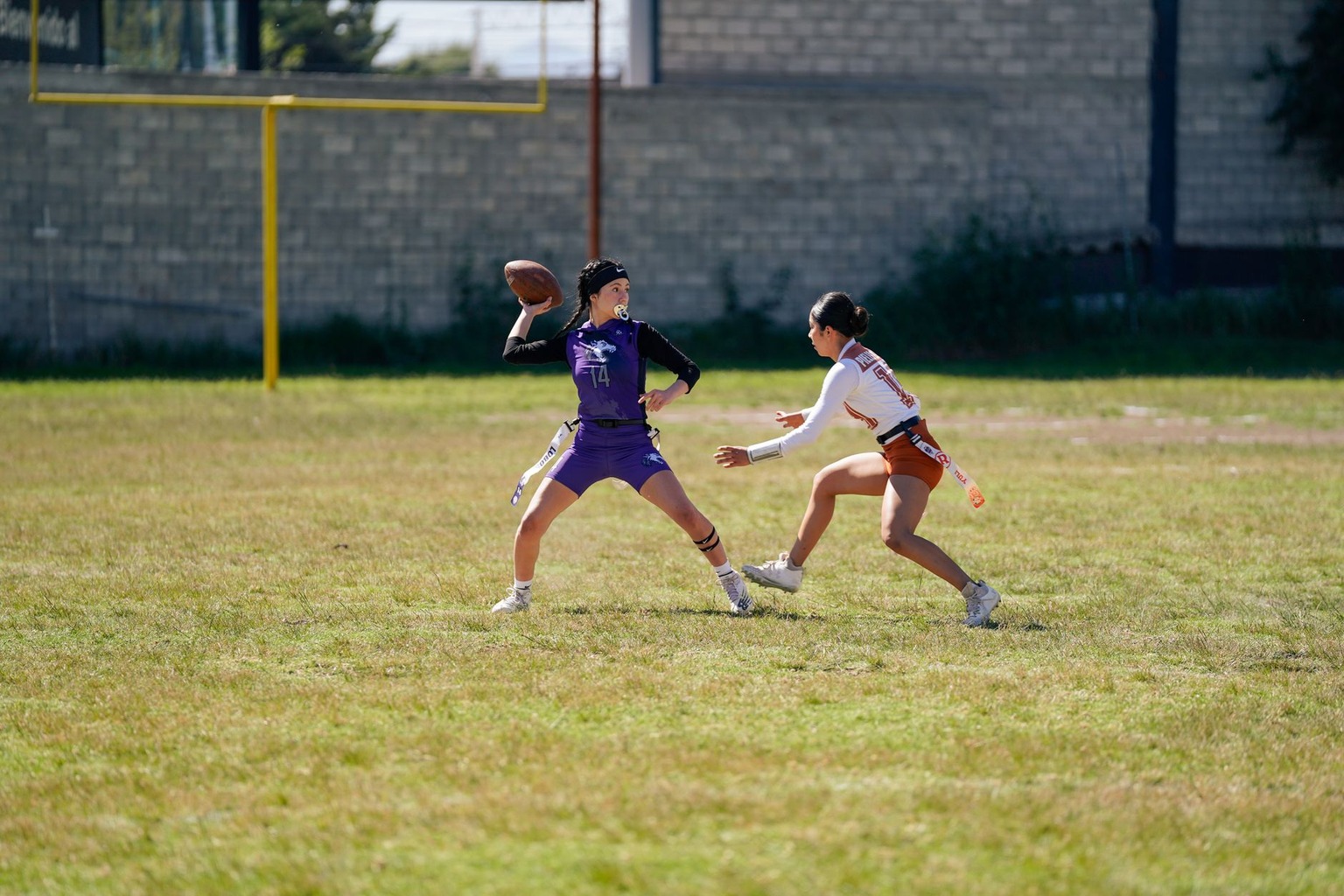
The European Women’s Football League (EWFL), for example, has become a hub for female football talent, drawing players from the United States, Canada, and beyond. The league operates under a professional model, with teams offering salaries, performance bonuses, and full-time training programs. Players in the EWFL compete at a level comparable to the NFL’s flag football league, with a focus on high-intensity play and strategic depth. The exposure gained from playing in Europe can open doors to professional opportunities in the United States, as well as international coaching roles and media appearances.
Competing abroad also provides cultural and linguistic benefits, as players learn to adapt to new environments and build international networks. Many athletes who play in European leagues return to the U.S. with enhanced skills and a broader understanding of the global football landscape. For women looking to maximize their potential, international leagues can be a game-changer, offering a blend of competitive rigor and cultural enrichment that domestic circuits cannot match. The key is to research leagues carefully, ensuring that the fit aligns with both personal and professional goals.
Choosing the Right Path: Matching Goals with Opportunities
With so many pathways available, the challenge for female athletes is selecting the right one based on their goals, skill level, and long-term aspirations. For those aiming to play professionally, the TMRW Sports league or Olympic qualification may be the best starting points, offering structured development and exposure. Players with collegiate experience should leverage their networks to transition into semi-pro or professional circuits, while those looking for immediate competition may find success in international leagues or domestic semi-pro teams.
The decision should also consider lifestyle and financial needs. Professional leagues like TMRW Sports offer salaries and benefits, but semi-pro or international leagues may require players to balance their careers with other commitments. It’s essential to weigh the pros and cons of each option, including travel demands, training schedules, and opportunities for growth. Many athletes find that a combination of pathways, starting in college, moving to semi-pro, and eventually competing abroad, provides the best foundation for long-term success.
Ultimately, the question of whether women can play in the NFL is less about capability and more about seizing the opportunities that exist today. The sport is evolving rapidly, with leagues, organizations, and athletes working together to create pathways for female football stars. For women looking to make their mark, the key is to stay informed, train relentlessly, and choose the path that aligns with their dreams, whether that’s the NFL’s flag football league, the Olympics, or a career in international football. The field is wide open, and the time to play is now.

I’ve been kicking a ball around since I could walk, and the strategy behind the beautiful game never stops fascinating me. I love breaking down match tactics and sharing the stories of players who make football unforgettable.