Football isn’t just a game, it’s a culture, a community, and for many young players, a path to confidence and skill. But for years, the question lingered: can girls play football? The answer today is undeniably yes, yet the journey to that point required more than just talent; it demanded systemic change, grassroots movements, and a willingness to challenge outdated norms. From the pickup games in Maine where women’s teams are now dominating local leagues to the rise of flag football as a gateway for girls to step onto the field, the barriers have been broken, but the work to sustain progress continues. For any player, coach, or parent looking to navigate this evolving landscape, understanding the practical steps to get involved is essential. Whether you’re a beginner or someone seeking to support the next generation, here’s how to approach the sport with purpose and clarity.
Understanding the Evolution of Girls’ Football
The idea that girls can play football wasn’t always widely accepted, especially in traditional football cultures where the sport was often seen as physically demanding or even inappropriate for young women. In the early 20th century, women’s football was met with skepticism, and organized leagues were rare. However, the tide began to turn in the 1970s with the passage of Title IX in the U.S., a federal law that prohibited sex-based discrimination in education, including sports. This legislation opened doors for girls’ football programs, though progress was slow and inconsistent. By the 1990s, women’s soccer gained global recognition, but football, especially at youth and amateur levels, remained a different story. The shift came not just from policy but from grassroots efforts, like the women’s football teams in Maine that now serve as models for inclusion. These teams prove that when given the opportunity, girls thrive in the sport, developing skills that rival those of their male counterparts.
Today, the landscape is far more inclusive, but challenges persist. High school football programs still lag behind in offering girls’ teams compared to boys’, and many youth leagues remain male-dominated. The key to understanding this evolution is recognizing that change happens incrementally, through local initiatives, media representation, and advocacy. For instance, the rise of flag football, which reduces physical contact, has made the sport more accessible to girls who might otherwise be hesitant to join. This variant isn’t just a safer alternative; it’s a proving ground for talent, with collegiate flag football teams now breaking barriers in visibility and participation. The lesson here is clear: progress in girls’ football isn’t about waiting for perfection but about seizing opportunities where they exist and pushing for more.
Assessing Physical and Mental Readiness for Football
Football isn’t a sport for everyone, and that includes girls who might be considering joining. Physical readiness is a critical factor, as the sport demands endurance, strength, and agility. For young players under 12, training should prioritize foundational techniques such as ball control and passing accuracy, which are key elements of Soccer analytics basics. Studies show that girls who start football early often develop better coordination and spatial awareness, but it’s important to avoid overloading them with contact-heavy drills too soon. Many youth leagues now recommend starting with flag football or modified tackle football to build confidence and technique before progressing to full-contact play. The mental aspect is equally important; football teaches discipline, teamwork, and resilience, but it also requires a willingness to handle physical challenges. Parents and coaches should assess a player’s comfort level with physicality and their ability to handle setbacks, as these traits are just as valuable as physical talent.
A common mistake is assuming that girls lack the physical capacity for football, which can discourage them from trying. In reality, research from the adidas Group highlights that girls often excel in areas like endurance and tactical intelligence, which are just as crucial as raw power. Adapting training to a child’s abilities while slowly introducing them to the demands of the sport is essential. For example, a 10-year-old girl might start with 30-minute flag football sessions focusing on dribbling and passing before moving to longer, more intense practices. Mental readiness involves understanding the sport’s culture, its intensity, its team dynamics, and its physicality, so players can embrace it fully rather than feeling overwhelmed. Coaches play a huge role here by fostering an environment where girls feel supported and encouraged to push their limits.
Choosing the Right League or Program for Beginners
With so many leagues and programs available, selecting the right one can feel overwhelming. The best approach is to start local, as community-based leagues often offer the most accessible entry points. In many regions, youth football leagues now include girls’ divisions, though availability varies. For instance, in Maine, teams like the one profiled in 92 Moose have grown from small gatherings to organized clubs with structured training and competition. These local programs are ideal for beginners because they provide mentorship, structured coaching, and a sense of community. Parents should prioritize leagues focused on skill development rather than early competition. Programs with a focus on fun and fundamentals, like those run by organizations such as the American Youth Football (AYF), are great starting points. The goal isn’t to produce elite players immediately but to instill a love for the game and build a strong foundation.
The Jason and Lauren channel breaks down crucial tactics explained for flag football.

Researching online can reveal leagues that match a player’s aspirations, helping track Performance trends soccer. Websites like USA Football or local sports associations often list girls’ programs, and many offer trial sessions to see if the fit is right. It’s also worth considering hybrid programs that combine football with other sports, as this can help girls explore their options without feeling pressured to commit fully to one discipline. Flag football is becoming increasingly popular as a gateway sport for new players. The NCAA now recognizes collegiate flag football, and many high schools offer it as an alternative to tackle football. This variant reduces injury risks while still teaching core football skills, making it a practical choice for girls who want to get involved without the physical demands of tackle play. The key is to choose a program that feels inclusive and supportive, where girls can grow at their own pace.
Overcoming Common Challenges in Girls’ Football
Even with progress, girls in football still face unique challenges, from societal expectations to logistical hurdles. One of the biggest obstacles is the lack of visibility, many girls don’t see themselves represented in the sport, which can discourage them from participating. This is where role models matter. Highlighting success stories, like the Maine team that’s inspiring young girls, can shift perceptions and show that football is for everyone. Another challenge is the physicality of the sport; some girls worry about being too small or not strong enough, but football is as much about technique and strategy as it is about size. Coaches can help by emphasizing skill development over physical attributes, ensuring that every player feels valued regardless of their starting size or speed. Mental barriers, such as fear of injury or pressure to perform, also play a role. Building a supportive team culture where players encourage each other can mitigate these issues and create a more positive experience.
Logistical challenges, like limited facilities or equipment, can also be barriers. Many girls’ teams rely on shared fields or borrowed gear, which can make training inconsistent. However, creative solutions exist, some leagues use portable goals or practice drills that require minimal space. The adidas Group’s initiatives, for example, have focused on providing access to equipment and training resources for girls’ teams, proving that systemic support can make a difference. Parents and coaches can advocate for better facilities by reaching out to local schools or community centers to secure dedicated spaces for girls’ football. The goal is to remove as many obstacles as possible so that talent isn’t limited by external factors. By addressing these challenges head-on, girls can focus on what truly matters: playing the game they love.
Developing Skills and Techniques for Long-Term Growth
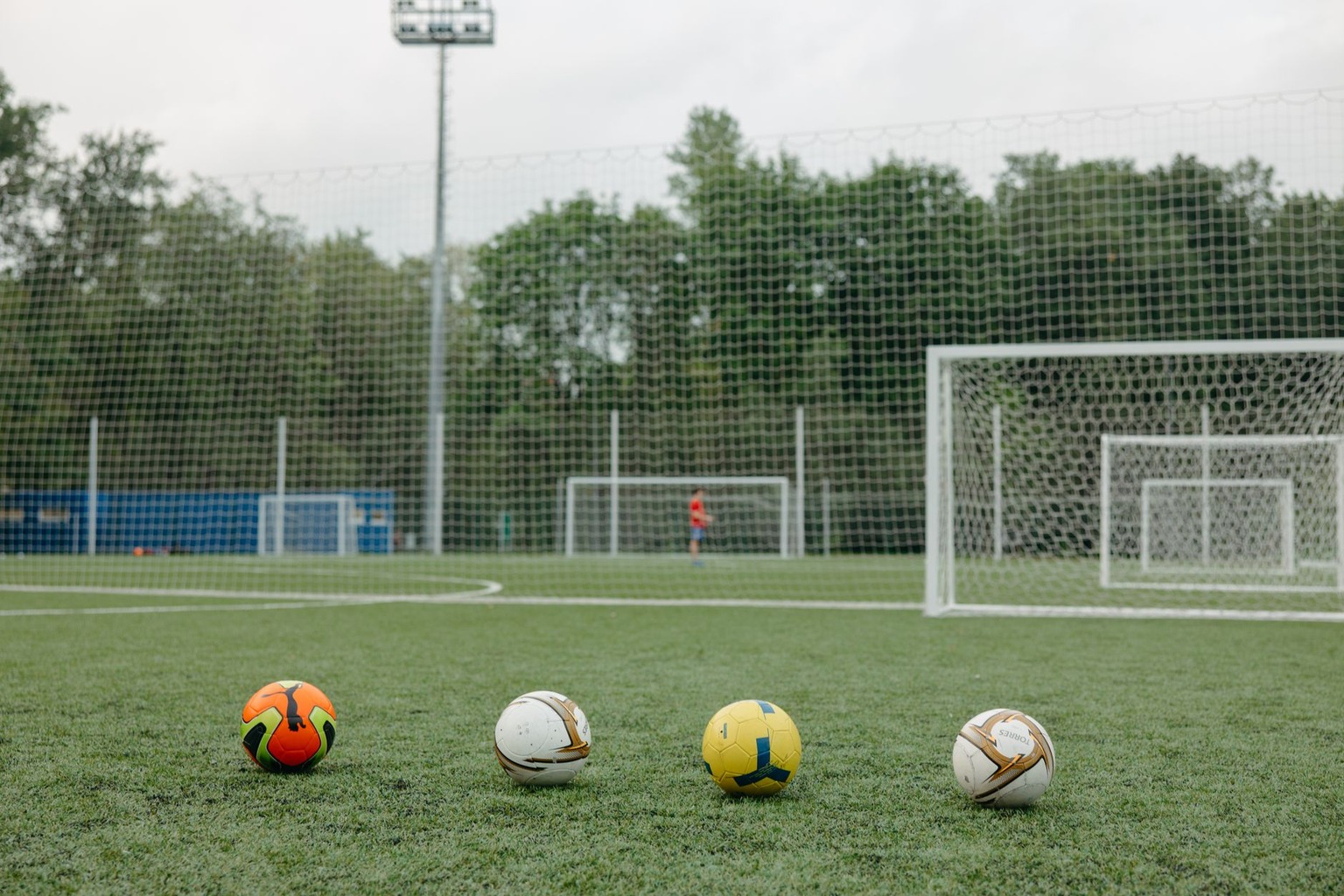
Football is a sport of continuous learning, and girls who commit to it long-term should focus on developing a well-rounded skill set. Fundamental techniques like ball control, passing accuracy, and defensive positioning form the backbone of the game. For beginners, drills that emphasize these basics, such as cone dribbling exercises or passing under pressure, can make a significant difference. Many youth programs incorporate these into their training, but players who want to excel should seek out additional practice opportunities, like private coaching or skills camps. The NCAA’s success in women’s soccer shows how specialized training can lead to elite performance, and football is no different. Players should also work on their endurance, as football matches can be physically demanding, especially in hot weather or high-intensity leagues. Cross-training with sports like basketball or soccer can help build the stamina needed for long seasons.
Technical skills are just one part of the equation; tactical awareness is equally important. Understanding positioning, set plays, and game strategies can elevate a player’s performance significantly. Coaches often teach these concepts through game simulations or film study, but players should also observe professional matches to learn from the best. The rise of women’s football in leagues like the NWSL has provided more visibility, allowing young players to study techniques from top athletes. Another critical skill is mental toughness, handling losses, staying focused under pressure, and adapting to different opponents. Many girls’ teams incorporate psychological training, such as visualization exercises or team-building activities, to help players develop resilience. The goal is to grow not just as athletes but as strategic thinkers who can contribute to their team in meaningful ways.
Supporting Girls’ Football Through Advocacy and Mentorship
Change in football, as in many sports, doesn’t happen without advocacy. Parents, coaches, and communities play a crucial role in pushing for more opportunities for girls. One way to do this is by supporting local leagues financially or volunteering time to help organize events. Many girls’ teams rely on community support to fund equipment, travel, or coaching, and even small contributions can make a big difference. Advocacy also extends to policy changes, such as pushing schools to offer girls’ football programs or lobbying for better funding for youth sports. Organizations like the National Federation of State High School Associations (NFHS) have made strides in recognizing girls’ football, but there’s still work to be done to ensure equal access. Parents can also advocate by speaking out against stereotypes and highlighting the positive impact football has on young women’s lives, confidence, leadership, and physical health are just a few of the benefits.
Mentorship is another powerful tool for supporting girls’ football. Experienced players, coaches, or even former athletes can provide guidance, share their experiences, and help younger players navigate the challenges of the sport. Many collegiate flag football teams, for example, have mentorship programs where student-athletes work with high school girls to develop skills and build confidence. These relationships can be incredibly motivating, showing young players that they have a place in the football world. Coaches, in particular, can foster a culture of support by emphasizing teamwork, respect, and personal growth. When girls see that their coaches believe in them, they’re more likely to push their limits and stay engaged in the sport. The collective effort of advocacy and mentorship ensures that girls’ football continues to grow and thrive, breaking down barriers one player at a time.

I’ve been kicking a ball around since I could walk, and the strategy behind the beautiful game never stops fascinating me. I love breaking down match tactics and sharing the stories of players who make football unforgettable.