Professional soccer demands a relentless physical output, and the body of a player like Erling Haaland or Lionel Messi reflects that intensity. These athletes require precise fueling strategies to maintain explosive speed, endurance, and rapid recovery. A 7 day meal plan for soccer players is not merely about eating enough calories; it is a calculated approach to macronutrient timing, hydration, and nutrient density. The goal is to support the high-energy expenditure of training and matches while minimizing inflammation and optimizing muscle repair. For a player, food is as critical as the ball at their feet, influencing every sprint and tackle. Understanding the specific nutritional needs of a soccer player helps bridge the gap between potential and peak performance on the pitch.
Caloric Foundations and Energy Availability
The first pillar of any effective 7 day meal plan for soccer players is establishing a caloric baseline that matches their training load. Professional players often burn between 3,000 and 6,000 calories per day during peak season, depending on position and intensity. A striker covering the full 90 minutes requires significantly more energy than a goalkeeper, though all positions demand a substantial intake. Energy availability refers to the calories remaining after accounting for exercise; if this drops too low, the body enters a catabolic state, breaking down muscle tissue for fuel rather than performance. Therefore, the meal plan must prioritize calorie-dense, nutrient-rich foods to ensure the athlete has the raw energy required for high-intensity intervals and repeated sprints throughout a match.
Carbohydrates form the cornerstone of this caloric strategy, serving as the primary fuel source for the brain and muscles during aerobic and anaerobic efforts. Soccer players rely heavily on glycogen stores, which are depleted during a single game and must be replenished through strategic eating. complex carbs like oats, brown rice, and sweet potatoes provide a steady release of glucose, preventing the energy crashes that can occur mid-game. Meanwhile, simple carbs such as fruit or honey can be strategically placed around training sessions for quick energy. The balance must be precise; too few carbs lead to premature fatigue, while excessive intake without corresponding activity can lead to unwanted weight gain.
Protein Prioritization for Muscle Repair
Protein is the building block of recovery, and for a soccer player, the timing and quality of protein intake are just as important as the total daily amount. After a rigorous training session or match, muscle fibers are damaged and need amino acids to rebuild stronger. A typical 7 day meal plan for soccer players will distribute protein evenly across meals, aiming for roughly 20 to 30 grams per sitting to maximize muscle protein synthesis. Lean sources such as chicken breast, fish, eggs, and Greek yogurt are staples, providing high biological value without excessive saturated fat. Plant-based options like lentils, chickpeas, and tofu also play a vital role, especially for athletes following vegetarian or vegan diets.
The recovery window, often called the “anabolic window,” is a critical period where the body is most receptive to nutrients. Consuming protein within 30 to 60 minutes post-exercise can significantly accelerate the repair process. This might look like a smoothie with whey protein and banana immediately after training, followed by a solid meal of grilled salmon and quinoa an hour later. Beyond the immediate post-workout period, maintaining a steady intake of protein throughout the day ensures that the body remains in a state of repair. Neglecting protein needs can lead to prolonged soreness, increased risk of injury, and a decline in explosive power on the field.
Hydration Electrolytes and Micronutrients
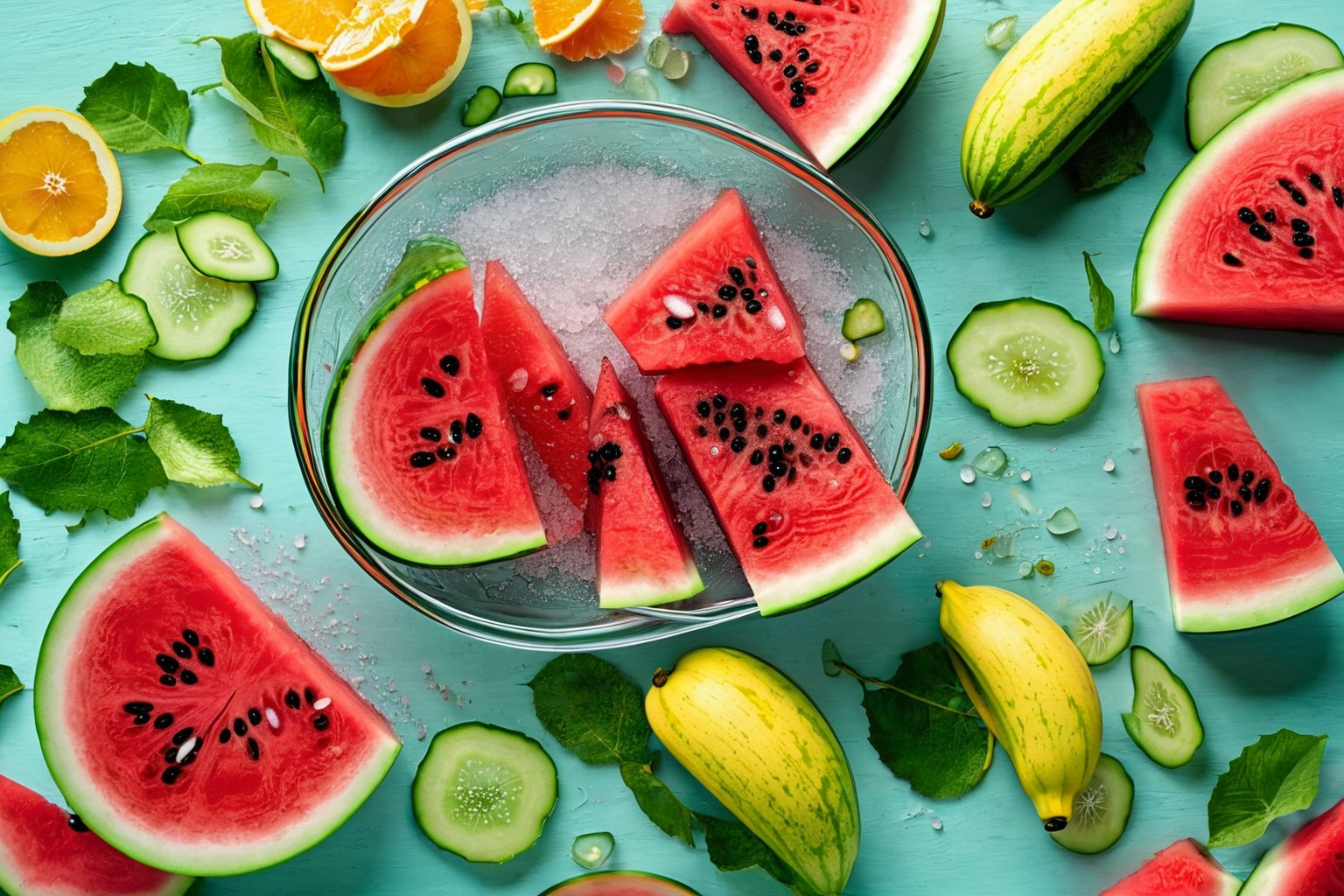
While macronutrients get much of the attention, hydration and micronutrients are the silent drivers of performance that can make or break a player’s season. Water is essential for every cellular process, but for a soccer player, it is also the primary mechanism for temperature regulation during intense play in varying climates. Dehydration, even at mild levels of 2% body mass loss, can decrease aerobic capacity and increase the perceived effort of the game. A comprehensive 7 day meal plan integrates not just drinking water, but also consuming foods with high water content like cucumbers, watermelon, and oranges to support overall fluid balance.
Electrolytes such as sodium, potassium, magnesium, and calcium are lost through sweat and must be replaced to prevent cramping and maintain nerve function. Simply drinking plain water can sometimes dilute sodium levels, leading to hyponatremia, which is dangerous. Therefore, the meal plan often includes electrolyte-rich foods like bananas for potassium, dairy or fortified plant milks for calcium, and a pinch of sea salt added to meals or drinks during hot weather games. Micronutrients like iron and vitamin D are also crucial; iron supports oxygen transport in the blood, vital for endurance, while vitamin D aids bone health and immune function. A deficiency in these small but mighty nutrients can lead to fatigue and increased susceptibility to illness.
Meal Timing and Game Day Strategy
The strategic timing of meals is what separates a good diet from a great one for soccer players. On a typical training day, the focus is on consistent fueling every 3 to 4 hours to maintain stable blood sugar levels and avoid the sluggish feeling that comes from going too long without eating. Breakfast might consist of eggs, whole-grain toast, and avocado, providing a mix of protein, healthy fats, and complex carbs to start the day. Lunch and dinner then build on this foundation, incorporating lean proteins and a variety of vegetables to ensure a broad spectrum of vitamins and minerals are consumed. Snacks such as nuts, fruit, or a protein bar keep the metabolism active and provide energy for afternoon sessions.
Game day nutrition follows a very different script, focusing on maximizing glycogen stores while minimizing gastrointestinal distress. Three to four hours before kickoff, a player might eat a substantial meal like pasta with marinara sauce and grilled chicken, allowing ample time for digestion. Two hours out, the focus shifts to easily digestible carbs such as a banana or white toast with honey, avoiding the fiber and fat that can slow stomach emptying. During the half-time break, players often sip on carbohydrate-electrolyte drinks to replenish what was lost in the first 45 minutes. This precise calibration of when and what to eat ensures that the player feels light, energized, and ready to perform from the first whistle to the last.
Grocery List Essentials for the Weekly Plan
Translating these nutritional principles into a practical 7 day meal plan for soccer players requires a well-stocked kitchen, and the grocery list reflects the specific demands of the sport. At the top of the list are staple carbohydrates: oats, quinoa, brown rice, whole-grain pasta, and sweet potatoes. These provide the energy base for the week. Fresh produce is equally important, with an emphasis on bananas for potassium, berries for antioxidants, leafy greens for iron, and cruciferous vegetables like broccoli and cauliflower for overall health. The variety ensures that the player does not become bored with their food, which can lead to cheat meals that derail performance goals.
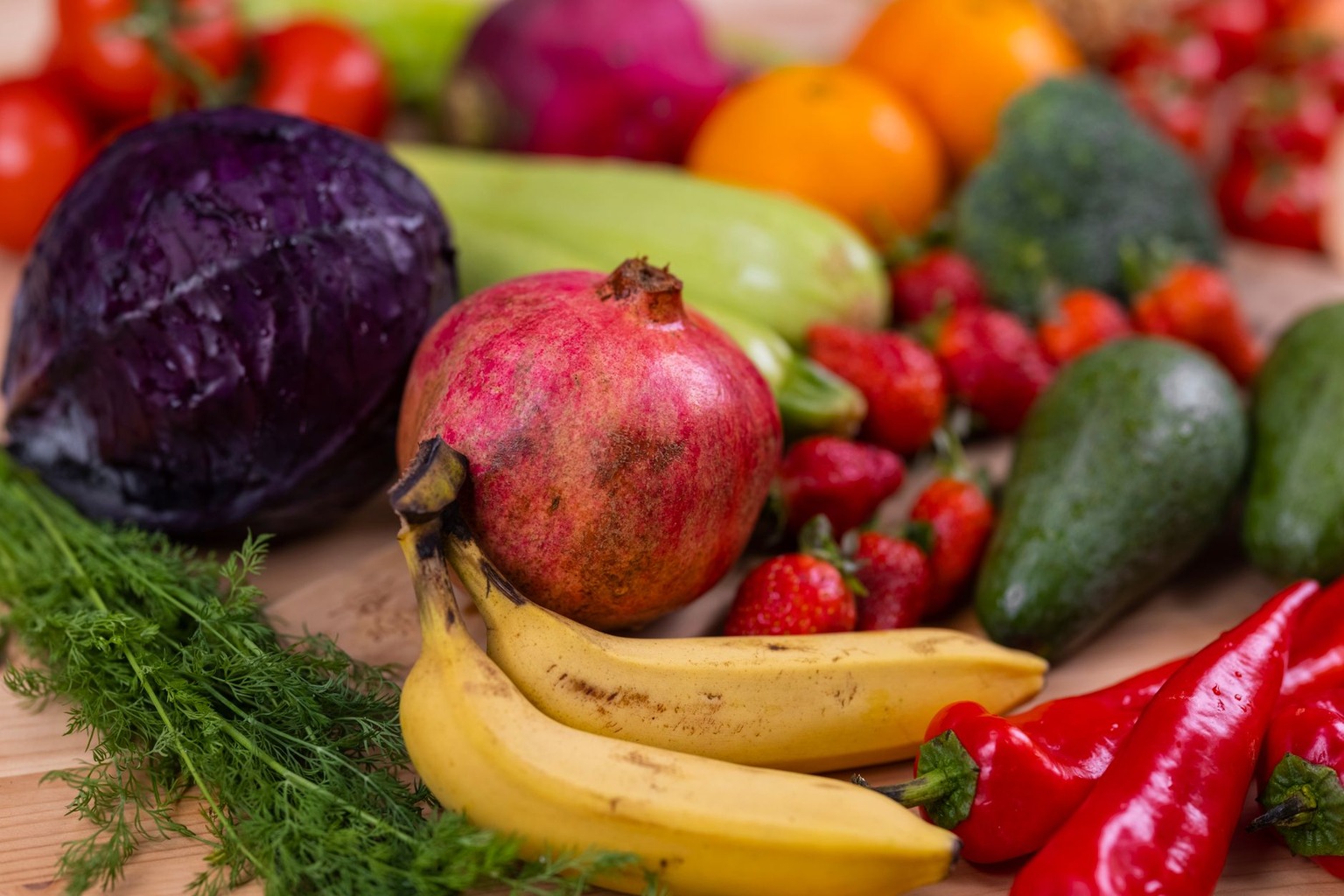
Protein sources form the backbone of the list, with options ranging from fresh chicken breasts and ground turkey to firm tofu and canned beans for convenience. Fatty fish like salmon and mackerel are essential for omega-3 fatty acids, which help reduce inflammation caused by intense physical activity. Dairy or fortified alternatives supply calcium and vitamin D, while eggs offer a versatile protein option for any meal. Healthy fats from avocados, nuts, and olive oil are necessary for hormone production and joint health. Finally, the list includes hydration staples: electrolyte powders, various teas, and plenty of filtered water to keep the player hydrated throughout the demanding week of training and recovery.

I’ve been kicking a ball around since I could walk, and the strategy behind the beautiful game never stops fascinating me. I love breaking down match tactics and sharing the stories of players who make football unforgettable.