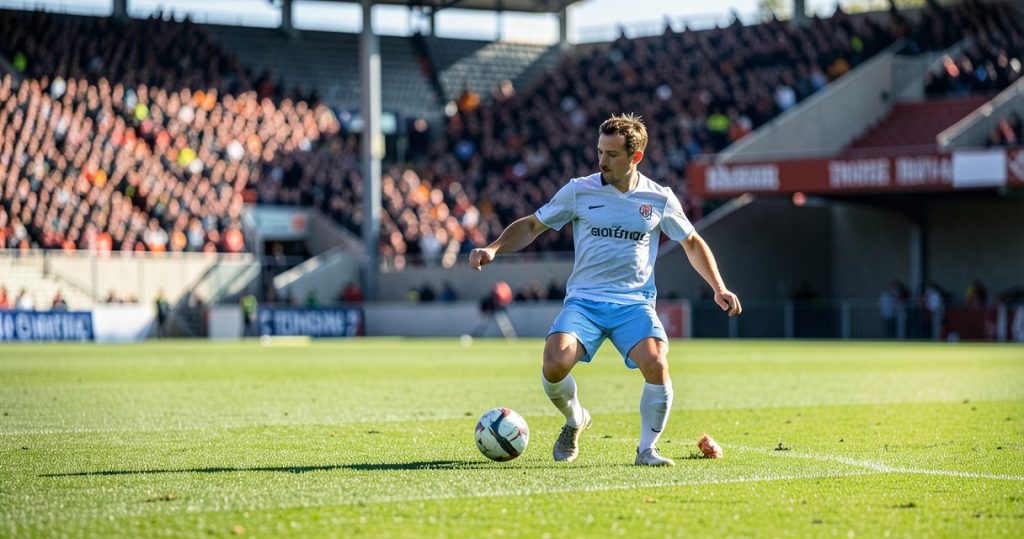
Turnover transitions in soccer are pivotal moments that can drastically influence the outcome of a match. These transitions occur when possession of the ball changes, typically resulting in a swift shift from offense to defense or vice versa. Understanding the nuances of these transitions is essential for coaches and players alike, as they can determine whether a team capitalizes on scoring opportunities or succumbs to defensive pressure. This article explores the intricacies of turnover transitions in soccer, examining their impact on team dynamics, strategies for effective management, and the role of players in these critical moments.
The Nature of Turnover Transitions
Turnover transitions in soccer occur when a team loses possession, prompting an immediate shift in focus. This can happen through interceptions, failed passes, or dispossessions. The speed and efficiency with which a team can adapt to this change can often be the difference between conceding a goal and launching a counterattack. For instance, a well-timed interception can lead to a rapid counterattack, exploiting the opposition’s disorganization. Conversely, a slow response can leave a team vulnerable to a swift opponent’s attack, emphasizing the need for players to be alert and ready to react instantly.
Teams that excel in managing turnover transitions often display a high level of tactical awareness. Players need to recognize when to press aggressively to regain possession and when to retreat and reorganize defensively. This duality of approach is crucial in modern soccer, where tactical flexibility can significantly alter game dynamics. For example, teams like Manchester City and Liverpool have demonstrated a keen ability to transition quickly, using their players’ speed and technical skills to exploit gaps left by opponents during these pivotal moments.
Strategies for Effective Transition Management
Effective management of turnover transitions begins with preparation and strategy. Coaches often emphasize the importance of positioning and awareness during training sessions, teaching players to anticipate potential turnovers. For example, implementing drills that simulate high-pressure situations can help players develop their ability to react quickly. Exercises that focus on maintaining shape during defensive transitions are equally vital, as they ensure that a team can recover effectively after losing the ball.
Another strategy involves using specific formations that allow for quick transitions. Teams that employ a high press often force opponents into hurried decisions, leading to more turnovers. Once the ball is regained, players are trained to move into attacking positions rapidly, creating overloads in key areas. This is evident in the tactics used by teams like Borussia Dortmund, who thrive on quick counterattacks following turnovers, often catching opponents off-guard and leading to scoring opportunities.
The Role of Players in Turnover Situations
Players have distinct roles during turnover transitions, and understanding these roles is crucial for success. For instance, attacking players must be adept at recognizing when to push forward to exploit defensive gaps, while defenders need to be prepared to track back and provide cover. Midfielders often act as the link between defense and attack, facilitating quick Midfield control. This dynamic interplay among players is essential for a team’s overall effectiveness during these critical moments.
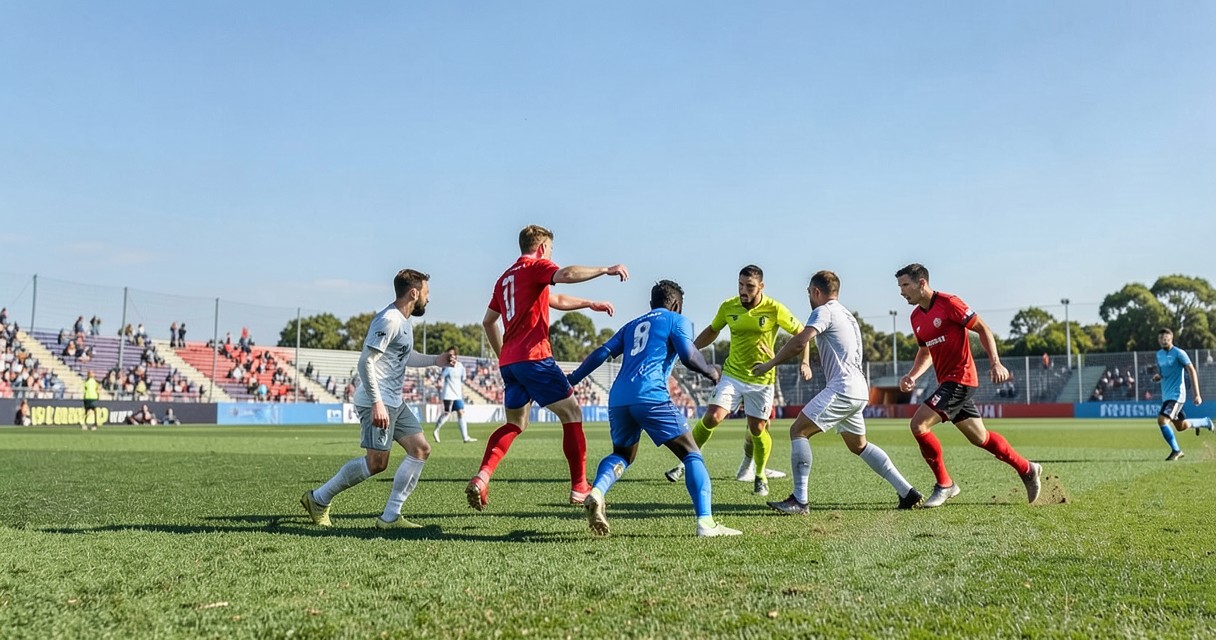
Moreover, communication plays a vital role in managing turnovers. Players must be vocal, signaling their intentions and coordinating movements to ensure that everyone is on the same page. This can be particularly important when a team is under pressure and needs to regain composure quickly. Teams that foster a culture of open communication tend to perform better in transition scenarios, as players feel more confident in their roles and responsibilities.
Analyzing Turnover Transitions in Professional Matches
Analyzing turnover transitions in high-stakes matches provides valuable insights for Post match analysis. For example, during the UEFA Champions League matches, teams often showcase their ability to transition effectively under pressure. A notable instance occurred during the knockout stages, where a single turnover led to a swift counterattack and a decisive goal. These moments are often dissected by analysts to understand the tactical decisions made by players and coaches alike.
Additionally, statistics play a crucial role in evaluating turnover transitions. Metrics such as the number of turnovers, successful recoveries, and counterattacking opportunities can provide a comprehensive picture of a team’s effectiveness in these scenarios. Teams that maintain a high success rate in recovering possession and converting turnovers into scoring chances generally have a competitive advantage in matches. This data-driven approach allows coaches to fine-tune their strategies and improve overall team performance.
Challenges in Managing Turnover Transitions
Despite the importance of managing turnover transitions effectively, several challenges can arise. One significant issue is the mental Fatigue management that players experience during intense matches. As games progress, players may become less responsive, leading to slower transitions and missed opportunities. This is particularly evident in high-pressure situations where a lack of focus can result in critical mistakes. Coaches must be vigilant in monitoring players’ physical and mental states, making timely substitutions to maintain energy levels.

In addition, teams may face tactical challenges from their opponents. Teams that employ Defensive soccer strategies can limit the effectiveness of counterattacks. This requires quick thinking and adaptability, as players must find alternative routes to exploit defensive weaknesses. Teams like Atletico Madrid have mastered the art of defensive organization, often frustrating opponents and forcing them into mistakes during turnover situations.
Future Trends in Turnover Transition Strategies
As soccer continues to evolve, so do Soccer tactics surrounding turnover transitions. The increasing emphasis on data analytics is shaping how teams approach these moments, with coaches utilizing advanced metrics to inform their tactics. For instance, clubs are now using video analysis to study opponent patterns during turnovers, allowing them to devise targeted strategies to exploit specific weaknesses. This trend is likely to grow, as technology becomes more integrated into coaching practices and player development.
Moreover, the rise of pressing systems, where teams aggressively challenge for possession, is changing the landscape of turnover transitions. As more teams adopt this approach, the need for players to be versatile and intelligent in their movements becomes paramount. Future training regimens may focus even more on improving players’ decision-making skills during these critical moments, ensuring that teams can capitalize on turnovers effectively and efficiently.

I’ve been kicking a ball around since I could walk, and the strategy behind the beautiful game never stops fascinating me. I love breaking down match tactics and sharing the stories of players who make football unforgettable.