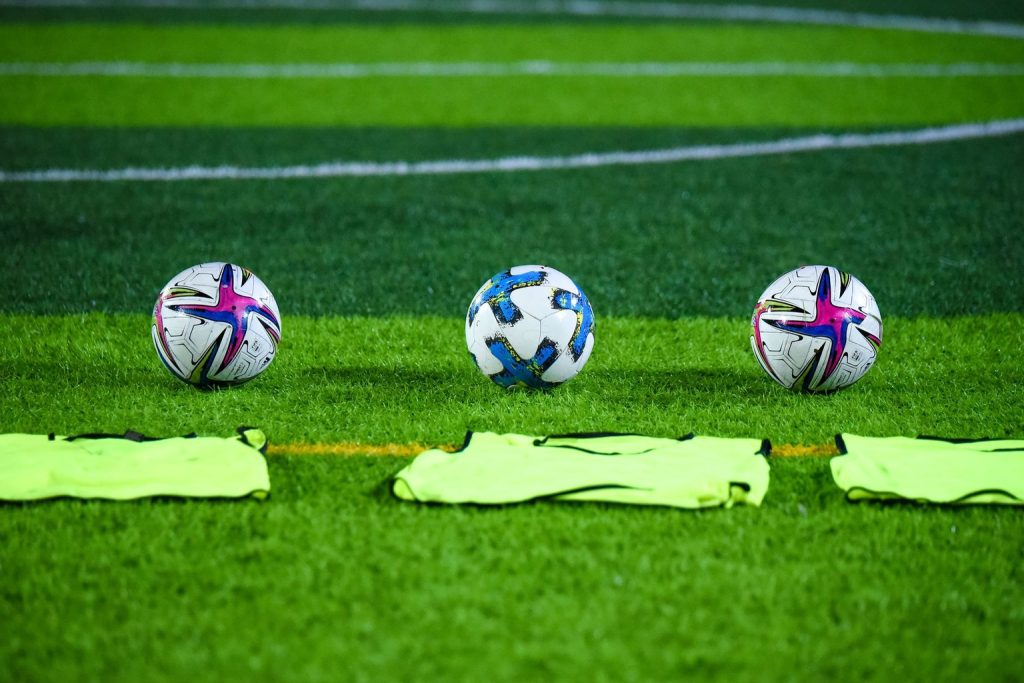

Youth soccer operates as a dynamic laboratory where children test their moral boundaries and learn the true cost of their choices on the pitch. Every weekend fixture offers a fresh opportunity for young athletes to internalize the unwritten rules of competition, far beyond the basic dictates of the official rulebook. Coaches often notice that teaching kids to play fair transforms raw athletic energy into structured discipline that endures for a lifetime. When a striker helps an opponent up after a hard collision, or when a defender admits to a referee that the ball touched them last before rolling out of bounds, character takes root. This analytical breakdown explores how adherence to honest competition shapes the psychological framework of developing players, turning simple playground games into profound lessons in integrity.
The Psychological Mechanics of Honesty in Competitive Matches
The human brain processes competitive stress in fascinating ways, particularly during high stakes matches where a single goal separates victory from defeat. Young players constantly weigh the immediate reward of a deceptive tactical advantage against the longer lasting value of personal honor. When a referee misses a handball inside the penalty box, the player who confesses the infraction displays a rare form of emotional maturity. This internal conflict forces children to confront their own desires and recognize that hollow victories leave a bitter aftertaste. Mentors must nurture this psychological shift by praising acts of integrity just as loudly as they celebrate scoring a thirty yard screamer into the top corner.
Peer pressure inside the locker room frequently challenges a child’s commitment to honest play during intense rivalries. Teammates might encourage tactical fouling or exaggeration of contact to win cheap free kicks in dangerous areas of the field. Standing firm against this collective momentum requires remarkable fortitude, and coaches play a pivotal role in shifting team culture toward mutual respect. If the loudest voice on the bench demands absolute honesty, players soon realize that cheating brings shame rather than approval from their peers. Such environments foster genuine trust among squad members, because everybody knows their colleagues will support the right decision even under heavy pressure.
Cognitive development at preteen and teenage ages heavily influences how athletes interpret fairness and sportsmanship on the green turf. Younger kids view rules as absolute external constraints, whereas older adolescents begin to understand the underlying spirit of reciprocal cooperation. Coaches facilitate this cognitive leap by explaining the rationale behind regulations rather than simply punishing infractions without context. When players comprehend that rules exist to protect everyone’s physical safety and to ensure a level playing field, compliance becomes a voluntary ethical choice. This shift from blind obedience to conscious moral agency is the exact mechanism through which sports build lasting human character.
Coaching Strategies That Prioritize Integrity Over Easy Victories
Winning at all costs remains a pervasive disease in modern youth athletics, often fueled by overzealous parents and ranking obsessed club directors. Tactical blueprints designed purely to exploit referee blind spots or waste time in the final ten minutes teach children terrible life lessons. Wise coaches reject these shortcuts, focusing instead on technical proficiency, tactical intelligence, and absolute adherence to the rules. A team that masters proper passing patterns and positional awareness rarely needs to resort to cynical fouls or simulation. Prioritizing performance quality over the final scoreline liberates players from the crippling anxiety of failure, allowing them to focus on doing things the right way.
Training ground punishments and rewards must align with the broader goal of instilling moral fiber in every participant. If a scrimmage features a contentious moment, a skilled coach stops the session to let the players negotiate a fair resolution themselves. This practical exercise teaches conflict resolution skills that translate directly into the classroom and the future workplace. Praising a defender for a clean, perfectly timed tackle rather than a reckless lunging foul reinforces correct biomechanics alongside ethical values. Over multiple seasons, these intentional teaching moments compound, creating a robust framework of personal accountability that defines the team culture.
Parental education forms the final pillar of a successful integrity driven coaching philosophy in grassroots soccer clubs. Mothers and fathers standing on the sidelines often project their own unfulfilled ambitions onto children, screaming at officials and demanding unfair advantages. Coaches must establish strict sideline codes of conduct, reminding families that youth sports exist primarily for the holistic development of the kids. When adults model calm respect for referees and opponents, children absorb those behaviors through passive observation. A unified front between coaches and parents ensures that young athletes receive consistent messages about honor both on and off the pitch.
Referee Development and Fair Play Enforcement on the Pitch
Match officials serve as the frontline guardians of sporting ethics, yet youth leagues frequently suffer from a severe shortage of competent referees. Young or inexperienced whistle blowers often buckle under verbal abuse from aggressive coaches and disgruntled spectators, compromising match integrity. Investing in structured mentorship programs for referees elevates the overall quality of officiating, ensuring consistent enforcement of safety and conduct rules. When officials command respect through calm authority and clear communication, players quickly learn where the boundaries lie. A well managed match creates a secure environment where fair competition can flourish without descending into chaos.
On the Passionate Soccer Coach channel, they cover how to teach sportsmanship, and you can watch it right here.
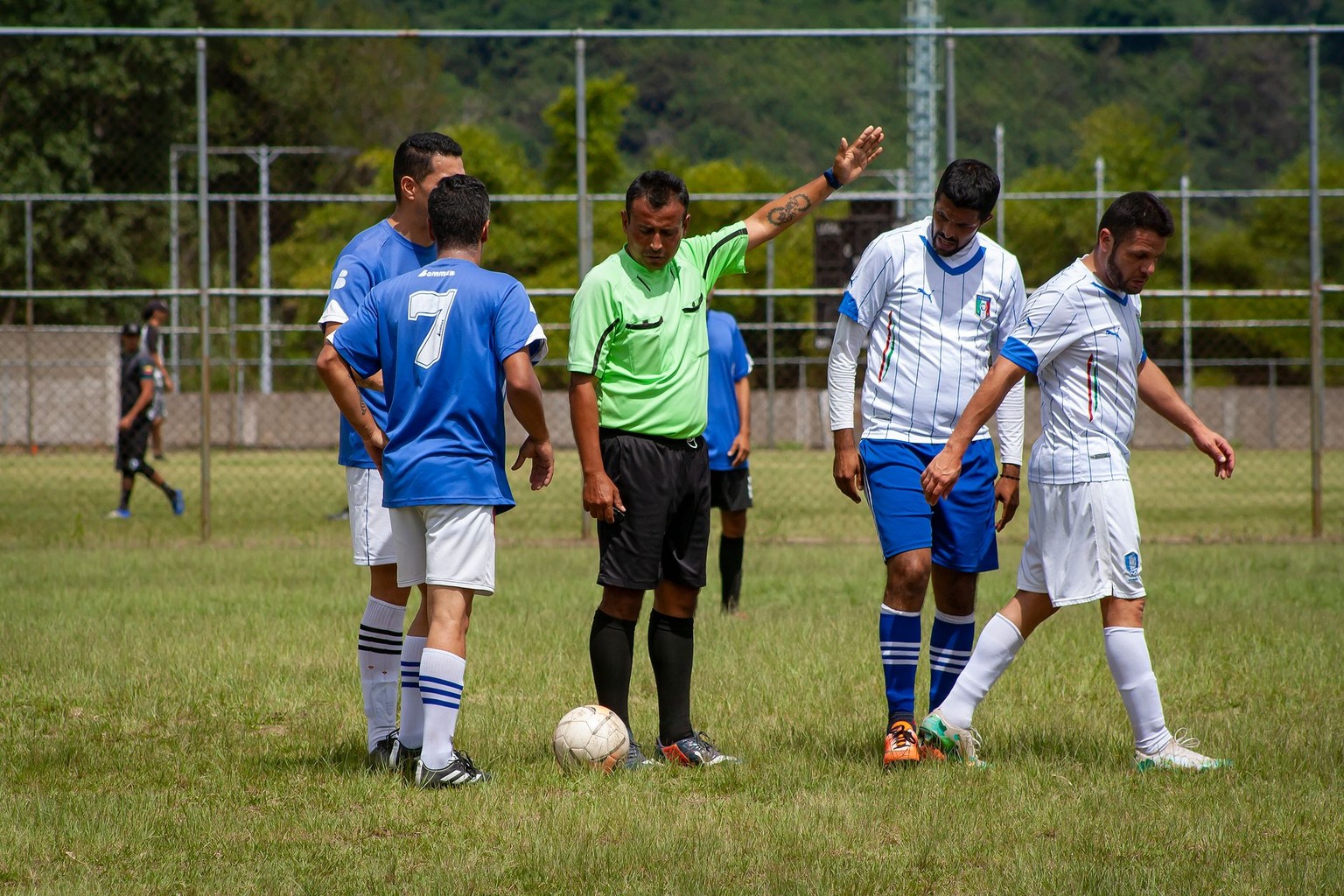
The relationship between players and referees should be built on mutual recognition of a difficult job executed under immense pressure. Captains hold a special responsibility to set the tone, acting as diplomats between their frustrated teammates and the official in the middle. Referees who take the time to explain a decision briefly rather than flashing cards immediately can de-escalate volatile situations on the pitch. This educational approach transforms potential disciplinary crises into teachable moments for every participant involved in the match. Respecting the person holding the whistle is fundamentally an exercise in empathy and self control for developing minds.
Technological limitations in grassroots soccer mean that human error will always remain a natural part of the game. Players must learn to accept bad calls with grace, understanding that luck balances out over the course of a long competitive season. Whining about referee mistakes teaches helplessness, whereas brushing it off and winning the ball back legally fosters resilience. Coaches who spend post match debriefs complaining about the officiating rob their players of valuable agency and emotional growth. Embracing the unpredictable nature of human officiating is a vital stepping stone toward adult maturity and emotional stability.
Peer Dynamics and the Ripple Effect of Sportsmanship
The social ecosystem within a soccer squad exerts a massive gravitational pull on individual behavior during training and matchdays. When influential players embrace fair play, their positive habits cascade through the entire roster with remarkable speed. Conversely, a single toxic personality who mocks opponents or dives for penalties can corrupt the team spirit if left unchecked by leadership. Captains and senior squad members must actively police their own ranks, establishing clear social norms that reject unsportsmanlike conduct. This peer accountability is far more powerful than any lecture delivered by a coach standing on the touchline.
Building genuine camaraderie requires shared struggles and victories achieved through honorable means rather than deceptive shortcuts. Teams that rely on simulation and time wasting often suffer from deep internal fragility when faced with adversity on the scoreboard. When a squad knows they can win through superior fitness, technique, and honest effort, their collective confidence becomes unbreakable. This shared pride in ethical execution builds lifelong friendships and a deep sense of belonging among teammates from diverse socioeconomic backgrounds. The locker room becomes a sanctuary of mutual respect where character is forged in the fire of collective ambition.
Handling defeat with dignity remains one of the hardest tests of character for any young competitor in a team sport. Shaking hands with the opposition after a heartbreaking loss requires kids to acknowledge the superior performance of their rivals without making excuses. This ritual forces ego to take a back seat, teaching children that losing a game does not diminish their human worth. Coaches should highlight the effort expended and the lessons learned rather than dwelling on the disappointment of the final score. Cultivating this gracious attitude prepares adolescents to handle professional and personal setbacks with equivalent poise in later life.
Long Term Transfer of Soccer Values to Academic and Professional Life
The behavioral patterns established on a muddy grass pitch follow young athletes long after they hang up their molded cleats for good. A player who learns to take responsibility for a missed defensive assignment naturally develops the accountability required in corporate boardrooms. The ability to collaborate with diverse teammates toward a common objective translates seamlessly into modern professional project management and leadership roles. Furthermore, the resilience built by recovering from a heavy defeat equips individuals to navigate economic downturns and career obstacles. Soccer acts as an accelerated simulation of adult life, where the stakes are high enough to matter but safe enough to fail.

Academic performance often mirrors the discipline and focus cultivated through rigorous athletic training and competitive match preparation. Student athletes quickly discover that time management skills learned while balancing homework and soccer practices are essential for higher education success. The rigorous physical demands teach the value of consistent daily effort over erratic bursts of inspiration when preparing for exams. Moreover, ethical standards internalized through sport prevent students from cutting corners on research papers or group assignments. Integrity becomes an ingrained habit rather than a situational choice dictated by convenience.
Community leadership often emerges organically from the ranks of former youth soccer players who absorbed the deeper ethos of the sport. Individuals who served as team captains or mentored younger division players understand how to motivate others without resorting to coercion. They bring a collaborative mindset to civic organizations, local boards, and volunteer initiatives that strengthen the social fabric of neighborhoods. The lessons learned under the floodlights on chilly autumn evenings echo through decades of community contribution and personal achievement. Youth soccer ultimately succeeds not by producing professional athletes, but by building honorable human beings.

I’ve been kicking a ball around since I could walk, and the strategy behind the beautiful game never stops fascinating me. I love breaking down match tactics and sharing the stories of players who make football unforgettable.