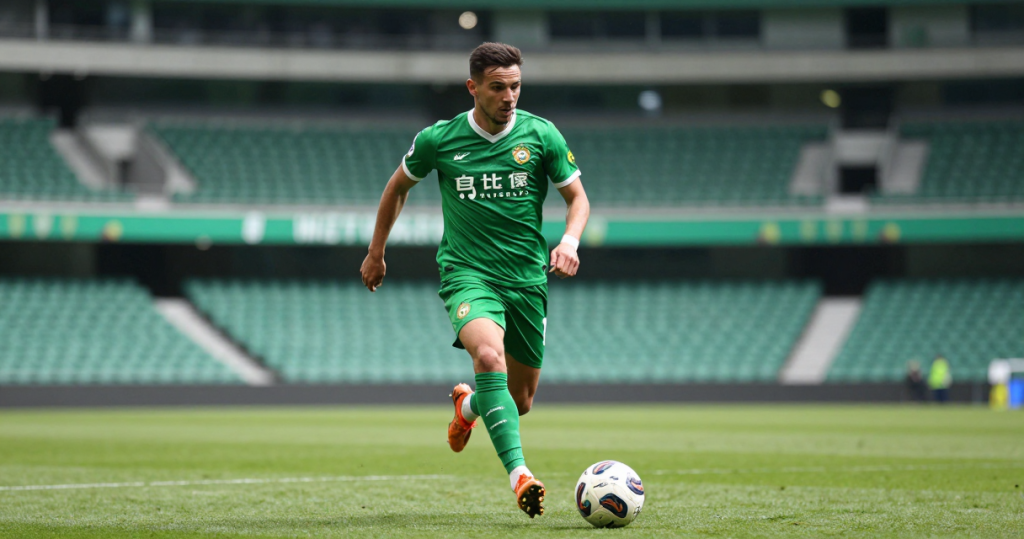
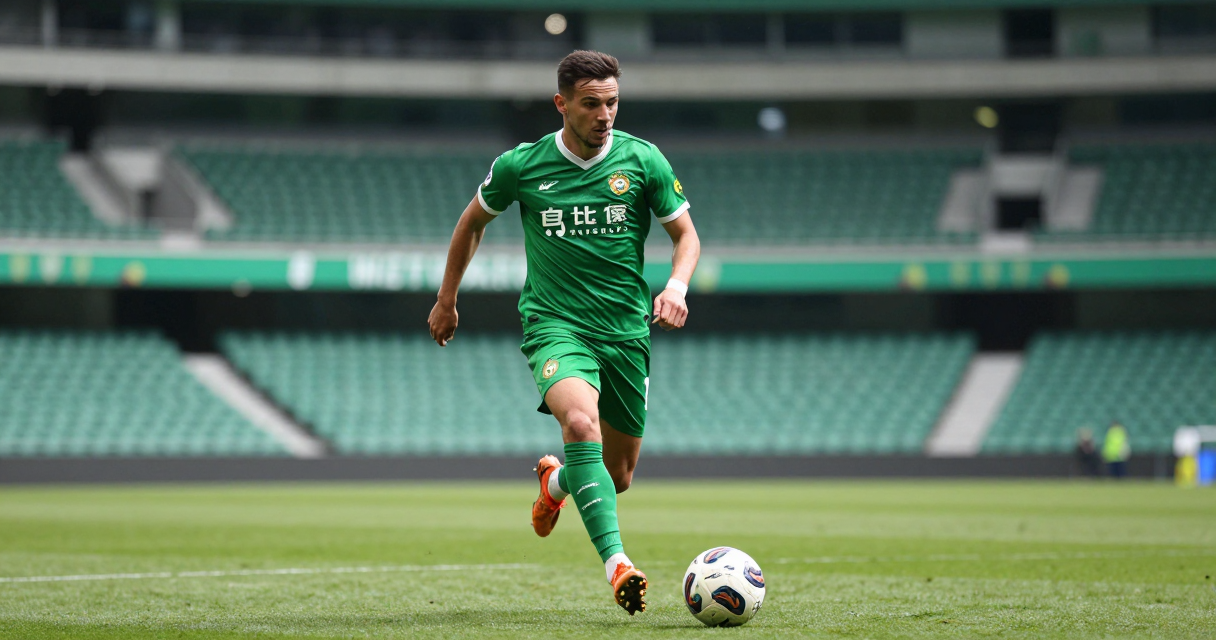
In football, tactics can often define the outcome of a match, and one strategy that has gained prominence in recent years is the concept of second ball tactics. This approach focuses on winning the ball after a contest or a situation where possession is uncertain, particularly following a challenge or a clearance. Teams that excel in this area often find themselves gaining a crucial advantage, allowing them to maintain pressure on their opponents and create goal-scoring opportunities. Understanding the intricacies of second ball tactics can provide teams with a competitive edge, especially in high-stakes matches.
Understanding Second Ball Tactics
Second ball tactics focus on regaining possession immediately after a ball is contested. This could occur after a header, a tackle, or a clearance from the opposing team. The key to this strategy is positioning and anticipation. Players must be aware of where the ball is likely to land and move into those areas quickly. By doing so, they can capitalize on the uncertainty of the situation, often catching opponents off guard and taking control of the game momentum. A well-executed second ball strategy can turn a defensive situation into an attacking opportunity in mere seconds.
Teams that prioritize second ball tactics often emphasize physicality and tactical awareness during training sessions. Players are not only taught to win their individual duels but also to anticipate where the ball will land after these duels. This requires a keen sense of spatial awareness and the ability to read the game effectively. Clubs like Manchester United have famously utilized this tactic to great effect, particularly in matches where they need to disrupt the flow of the opposing team.
The Role of Midfielders in Second Ball Strategies
Midfielders play a critical role in executing second ball tactics. They are typically positioned to react quickly to loose balls, providing a link between defense and attack. Their responsibility is to not only win the second ball but also to transition the play effectively once possession is secured. A dynamic midfielder can dictate the pace of the game, making them essential in turning defensive recoveries into offensive plays.
For instance, a team may employ a box-to-box midfielder who excels in both defensive duties and attacking runs. This player must be adept at reading the trajectory of the ball and positioning themselves accordingly. When the ball is lost, their immediate reaction can often determine whether their team maintains possession or concedes a counter-attack. The best midfielders understand the importance of timing and positioning, making them pivotal in the second ball strategy.
Defensive Structure and Second Balls
Successful implementation of second ball tactics begins with a solid defensive structure. When a team is organized defensively, players are better positioned to react to second balls. This organization allows them to engage in duels with greater confidence, knowing that their teammates are ready to support them. A compact defensive line can create a scenario where the opposition’s clearances are more predictable, thereby enhancing the chances of winning second balls.
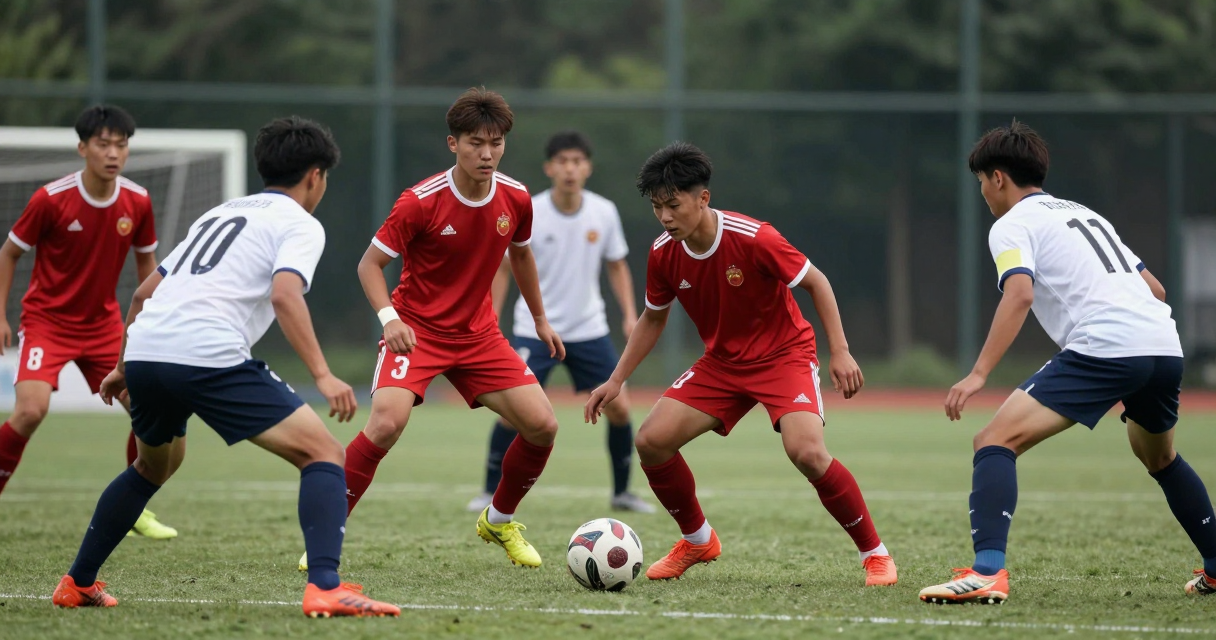
Moreover, teams that maintain a high defensive line can pressure opponents more effectively, forcing them into hurried clearances. This increases the likelihood of winning second balls in advanced areas of the pitch. For example, teams like Liverpool have demonstrated how a high press can lead to winning second balls in the opponent’s half, which can quickly transition into goal-scoring opportunities. The synergy between defensive organization and second ball tactics is vital for a team’s overall strategy.
Second Ball Tactics in High-Pressure Situations
High-pressure situations, such as during the final minutes of a close match, often see teams relying heavily on second ball tactics. In these moments, the ability to win second balls can be the difference between securing a vital point or snatching a last-minute victory. Players must exhibit heightened awareness and tenacity, as the stakes are elevated. The pressure also affects decision-making, making it crucial for teams to remain composed while engaging in second ball scenarios.
Clubs that thrive in these situations tend to have players who are not only physically capable but also mentally resilient. They must be prepared to outwork their opponents, as the intensity of the match increases. Notably, teams like Atlético Madrid have built their reputation on grit and determination, often capitalizing on second balls during critical junctures of the game. Their ability to harness the chaos of late-game scenarios underscores the tactical significance of second balls.
Analyzing Successful Teams and Their Second Ball Tactics
Several teams in top leagues have effectively employed second ball tactics to great success. For instance, Manchester City under Pep Guardiola has shown how controlling the midfield can lead to dominance in second ball situations. By utilizing their technical players, they create a dynamic environment where winning second balls becomes a natural extension of their play style. Their ability to transition quickly after winning second balls has led to numerous scoring opportunities and victories.
Similarly, teams like Chelsea have integrated second ball tactics into their game plan, especially under coaches who emphasize a high-pressing style. By applying relentless pressure, they force opponents into mistakes, allowing them to regain possession swiftly. This method not only disrupts the opposing team’s rhythm but also enables Chelsea to exploit gaps left in the defensive line, showcasing the direct correlation between effective second ball tactics and overall team performance.
Training for Second Ball Situations
To master second ball tactics, teams must incorporate specific drills and training exercises that focus on winning loose balls. Coaches often design sessions that simulate game scenarios where players must react quickly to contested situations. This can include small-sided games where the focus is on regaining possession and transitioning to attack after winning second balls. Such practices help players develop their instincts and improve their reaction times during actual matches.
Additionally, emphasizing physical conditioning is crucial. Players must possess the stamina and strength to engage in duels consistently throughout the match. Conditioning drills that enhance agility, speed, and endurance can significantly impact a player’s ability to compete for second balls. Teams that invest in this aspect of training often see a marked improvement in their performance during high-pressure situations and physical contests.
The Impact of Second Ball Tactics on Match Outcomes
The influence of second ball tactics on match outcomes cannot be overstated. Winning second balls often leads to sustained pressure on the opponent, which can result in goal-scoring opportunities. Teams that excel in this area frequently dominate possession and create more chances, ultimately increasing their likelihood of victory. The psychological edge gained from consistently winning second balls can also demoralize opponents, making them less effective as the match progresses.
Statistics often reflect the success of teams that prioritize second ball tactics. For example, clubs that consistently rank high in second ball recoveries tend to have better overall performance metrics, such as shots on target and possession percentages. This correlation highlights the tactical importance of second balls in modern football, showcasing how a focused approach to this aspect of the game can lead to significant competitive advantages.

I’ve been kicking a ball around since I could walk, and the strategy behind the beautiful game never stops fascinating me. I love breaking down match tactics and sharing the stories of players who make football unforgettable.