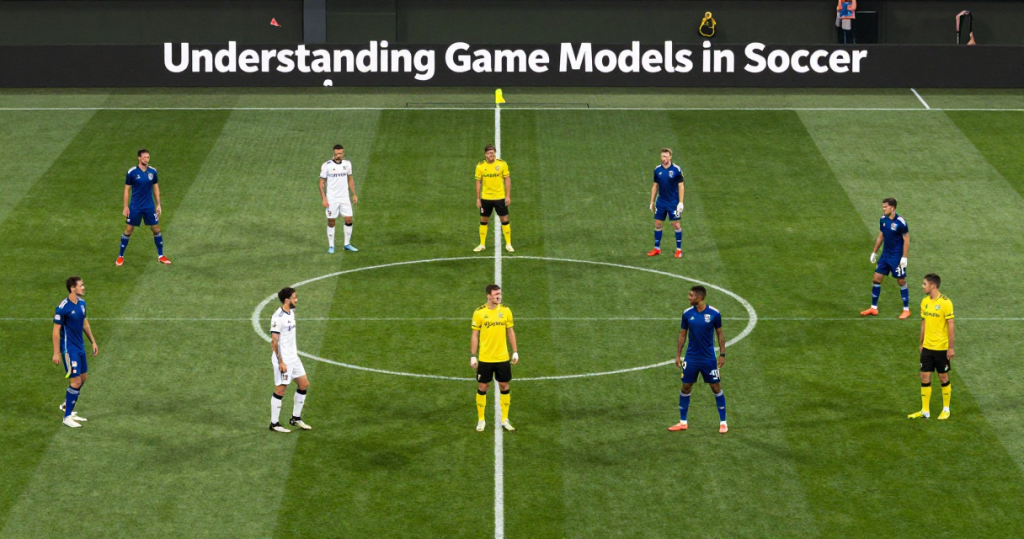
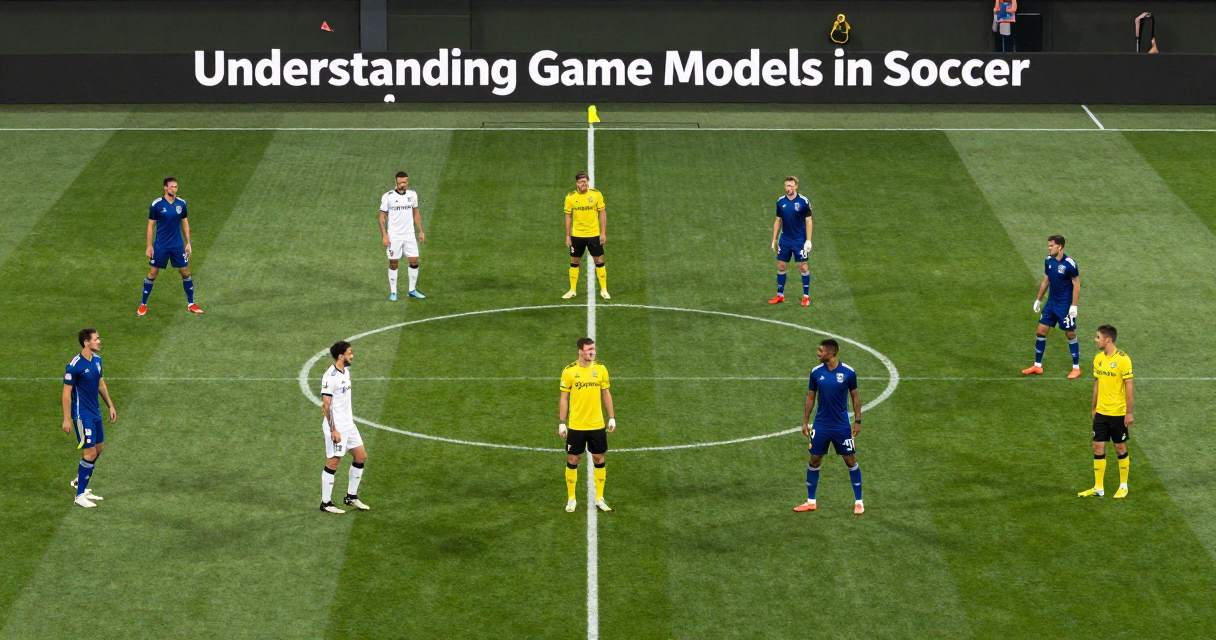
Understanding Game Models in Soccer
The concept of a game model in soccer is essential for teams aiming to optimize their performance on the pitch. A game model outlines the tactical framework and philosophy a team adopts during matches. It encompasses everything from formation and attacking strategies to defensive principles and player roles. Coaches develop these models based on their insights, the strengths and weaknesses of their squad, and their overarching football philosophy. By establishing a clear game model, teams can create a cohesive unit that understands their objectives and responsibilities, leading to improved results on the field.
The Importance of Tactical Frameworks
Tactical frameworks serve as the backbone of a soccer team’s game model. They guide players’ movements, positioning, and decision-making during a match. For instance, a team that employs a possession-based approach will focus on maintaining control of the ball, utilizing short passes to break down opposition defenses. In contrast, a counter-attacking model prioritizes quick transitions from defense to attack, aiming to exploit spaces left by opponents. The choice of tactical framework is influenced by factors such as player skills, the opposition’s strengths, and the specific context of each match, which makes it an integral part of a successful game model.
Key Components of a Game Model
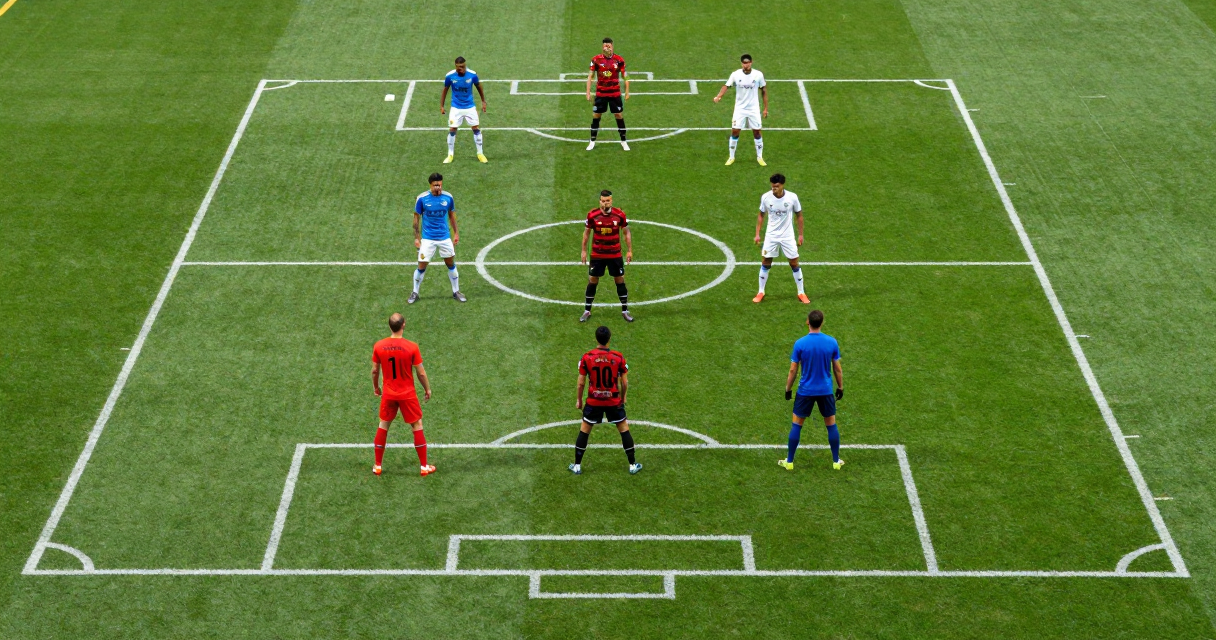
A well-structured game model consists of several key components, including formation, player roles, and tactical principles. The formation, such as 4-3-3 or 3-5-2, dictates how players are positioned on the field and their responsibilities in both attacking and defensive phases. Player roles are tailored to individual strengths, ensuring that each athlete is utilized effectively within the system. Tactical principles, such as pressing, spacing, and movement off the ball, provide guidelines for how the team interacts and functions collectively. By harmonizing these elements, a game model can create a fluid and dynamic playing style.
Adapting the Game Model to Player Characteristics
One of the most critical aspects of developing a game model is adapting it to the specific characteristics of the players in the squad. For example, if a team has fast wingers, the game model might emphasize width and rapid transitions to exploit their speed. Conversely, if the squad boasts technically gifted midfielders, the model may focus on intricate passing and maintaining possession. Coaches must assess player attributes carefully and adjust their game model accordingly to maximize the team’s potential. This adaptability is essential for success, especially when facing diverse opponents with varying styles of play.
Implementing the Game Model in Training
Once a game model is established, the next step is implementing it in training sessions. This involves designing exercises and drills that reinforce the tactical principles and player roles outlined in the model. For instance, if the game model emphasizes high pressing, training sessions should include scenarios that simulate pressing situations, allowing players to practice their positioning and decision-making. Regularly revisiting the game model in training helps instill a clear understanding among players, ensuring they can execute the tactics effectively during matches. Consistency in training is crucial for embedding the game model into the team’s identity.
Assessing the Effectiveness of the Game Model
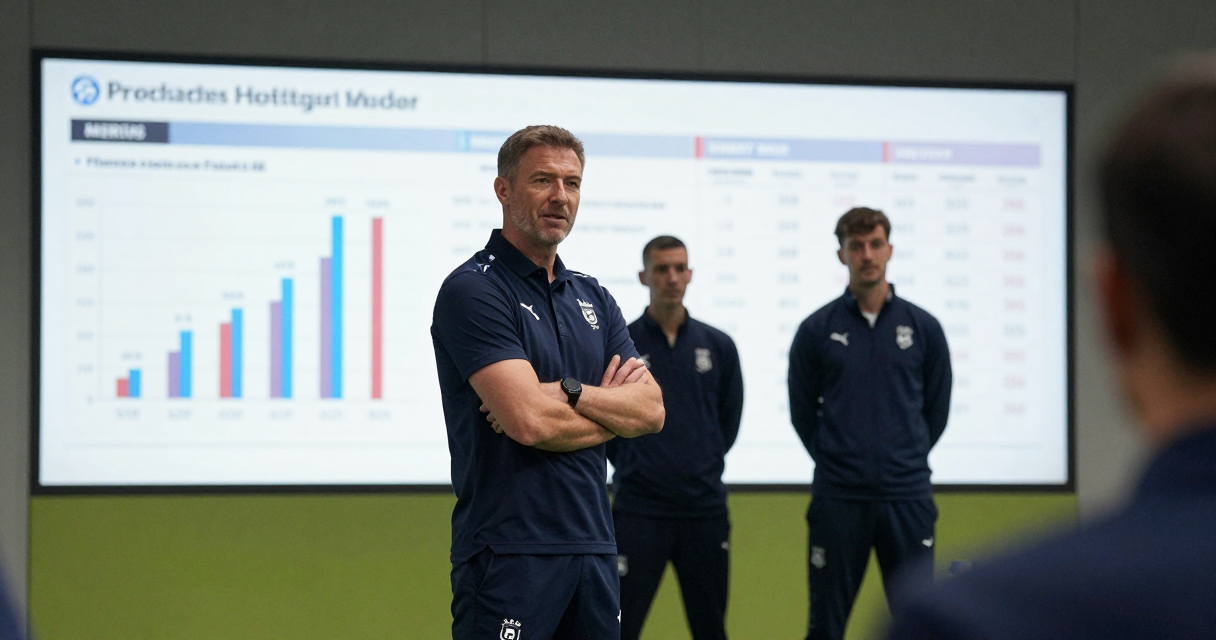
Evaluating the effectiveness of a game model is vital for ongoing development and improvement. Coaches can use various metrics, such as possession statistics, pass completion rates, and goals scored, to analyze performance. Video analysis also plays a significant role, allowing coaches to review matches and identify areas where the game model succeeded or fell short. Feedback from players is equally important, as they can provide insights into how well they understood their roles and the overall tactics. This continuous assessment enables coaches to make necessary adjustments, ensuring the game model evolves with the team and remains effective against different opponents.
Case Studies of Successful Game Models
Several teams have gained acclaim for their effective game models, which have led to significant success on the international stage. One notable example is FC Barcelona under Pep Guardiola, where the tiki-taka style emphasized short passes, movement, and maintaining possession. This approach not only secured numerous trophies but also revolutionized how soccer is played. On the other hand, teams like Atletico Madrid, under Diego Simeone, have adopted a more defensive game model, focusing on organization and counter-attacking. These contrasting styles illustrate how diverse game models can achieve success, highlighting the importance of aligning tactics with team identity and player strengths.

I’ve been kicking a ball around since I could walk, and the strategy behind the beautiful game never stops fascinating me. I love breaking down match tactics and sharing the stories of players who make football unforgettable.