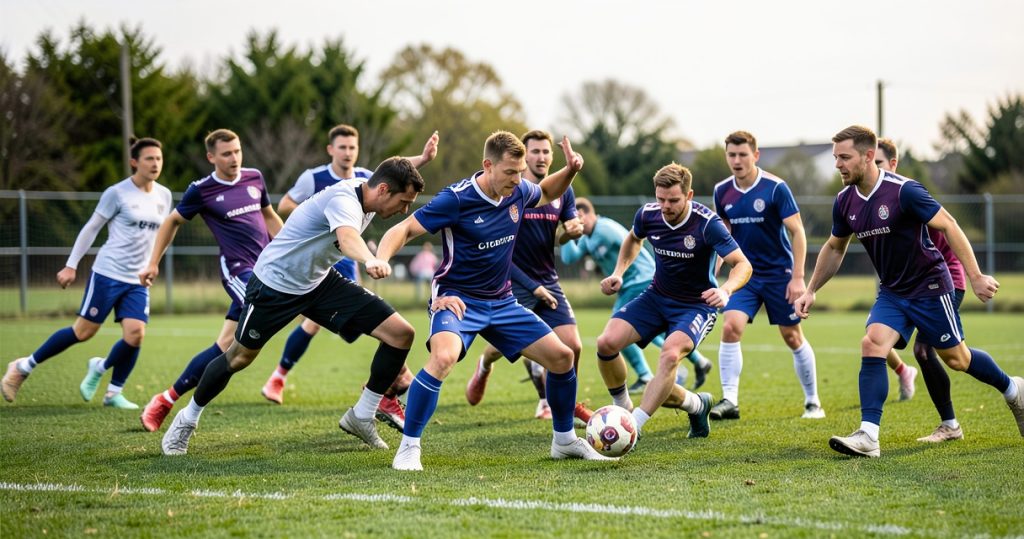
Counter pressing, often shortened to “counter‑press,” describes the collective effort of a team to win the ball back the moment an opponent gains possession. The concept grew out of the desire to prevent a defensive line from reorganising after a loss, turning a potential counter‑attack into a chance to retain control. Modern football sees this tactic woven into the fabric of many elite sides, with coaches demanding immediate pressure from the first forward player to the deepest midfielder. By compressing space and forcing errors high up the pitch, teams can dictate tempo, create scoring opportunities, and reduce the risk of being punished on the break. Understanding how counter pressing works, why it matters, and how it is taught provides a valuable edge for players, coaches, and fans alike.
Historical roots of the high press
The seeds of counter pressing can be traced back to the early 2000s when Dutch clubs began experimenting with aggressive off‑the‑ball movement. Coaches such as Guus Hiddink introduced the idea of a “press after loss,” encouraging players to react instantly rather than retreating into a defensive shape. This philosophy migrated to the German Bundesliga, where teams like Borussia Dortmund under Jürgen Klopp refined the approach into a systematic weapon. By the time the 2010 World Cup arrived, the concept had evolved into a recognizable pattern that could disrupt even the most patient opponents. The evolution from a simple reaction to a coordinated team effort marked a turning point in tactical thinking across Europe.
In South America, Argentine sides adopted a similar mindset, combining technical flair with relentless pressure. Clubs such as River Plate employed a version of the press that relied on quick transitions and short passing sequences to suffocate opponents in their own half. The success of these methods in continental competitions demonstrated that counter pressing was not confined to a single footballing culture. As the tactic spread, analysts began to label it as a distinct phase of play, separate from traditional pressing and from the more passive defending that dominated earlier eras.
Timing and triggers of the counter press
The effectiveness of a counter press hinges on recognising the precise moment when the ball changes hands. Most coaches teach players to watch the body language of the opponent, especially the direction of the first touch and the positioning of the nearest defender. When the ball is played forward, the attacking side initiates a “first‑player press,” with the striker or winger moving to close down the ball carrier within three seconds. If the first player fails to win the ball, the second line of pressure, typically the midfielders, collapses the space, cutting off passing lanes and forcing a hurried decision.
Statistical analysis from the 2022 European Championships revealed that teams that applied pressure within five seconds of losing possession recovered the ball 38 percent of the time, compared with just 22 percent for those that delayed. Coaches therefore embed specific triggers into training drills, such as the sound of a whistle or a visual cue from a teammate, to develop the instinctive reaction required for a successful counter press. The timing is not only about speed; it also involves coordinated movement, ensuring that the press does not become a disorganised chase that leaves gaps behind.
Formations that support immediate pressure
While any formation can incorporate a counter press, certain setups naturally facilitate rapid compression of space. The 4‑3‑3, popularised by clubs like Liverpool, places three forwards at the top of the pitch, allowing the first line of pressure to be applied instantly after a loss. The midfield trio then drops into a compact block, creating a second barrier that limits the opponent’s options. This shape encourages a high‑pressing stance without sacrificing defensive stability, as the back four remains disciplined and ready to shift back if the press is broken.
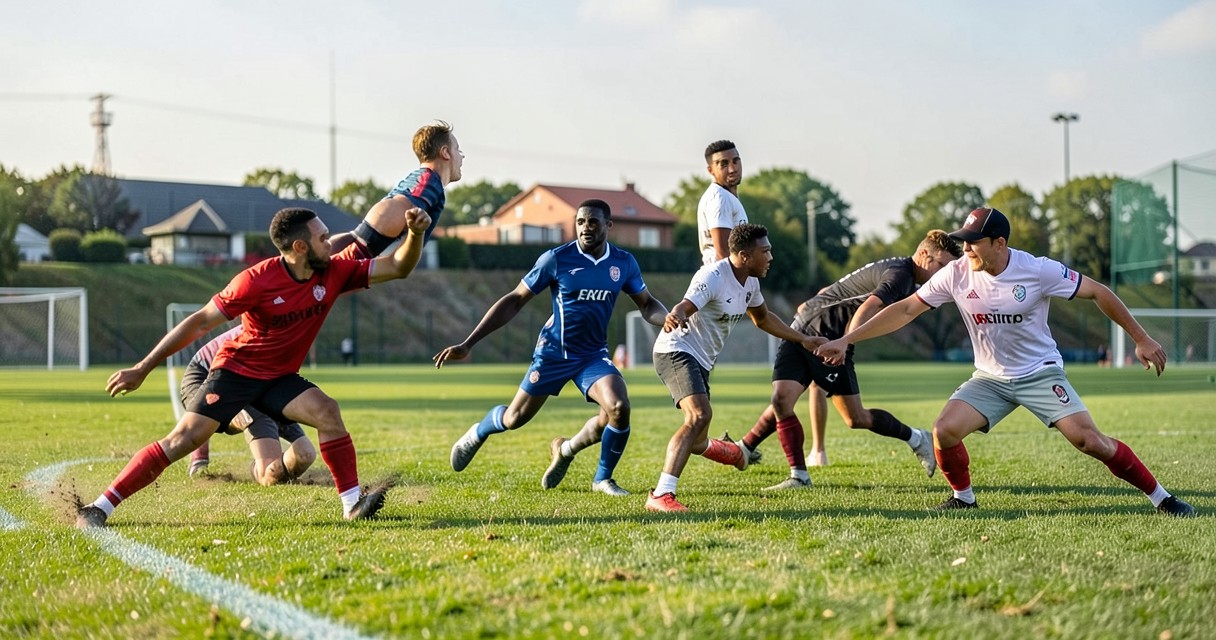
Another effective arrangement is the 3‑5‑2, which provides wing‑backs with the freedom to surge forward and join the press while the three centre‑backs maintain a deep line. In this system, the two strikers act as the initial point of contact, and the midfield five quickly collapse into a diamond shape to seal off central passing routes. The flexibility of the 3‑5‑2 allows teams to transition smoothly between attack and defense, making it a favourite among coaches who value fluidity and adaptability in the modern game.
Coaches who turned counter pressing into a signature style
Jürgen Klopp is perhaps the most prominent advocate of the counter press, having built his “gegenpress” philosophy around the idea that relentless pressure can dominate games. During his tenure at Borussia Dortmund and later at Liverpool, Klopp’s teams consistently recovered possession high up the field, leading to a record number of goals from quick transitions. His emphasis on collective effort and mental intensity transformed the counter press from a tactical option into a defining characteristic of his squads.
Other managers have embraced the concept in their own ways. Pep Guardiola, while known for positional play, also integrates a coordinated press after loss, especially at Manchester City where the team recovers the ball in the opponent’s half more than 40 percent of the time. Luis Enrique, during his spell with Paris Saint‑Germain, demanded that every player contribute to the first‑player press, a requirement that helped the side dominate possession in the latter stages of the domestic season. Mikel Arteta’s Arsenal has recently showcased a hybrid approach, blending a structured press with quick counter‑attacks, a blend that has produced a noticeable increase in expected goals per 90 minutes.
Player attributes and positional responsibilities
Successful counter pressing relies on a blend of physical and mental qualities. Players must possess high aerobic capacity to sustain repeated bursts of effort throughout a match, as the press often demands sprinting for short distances at a high frequency. Speed and agility are essential for closing down opponents quickly, while strength helps in winning duels and shielding the ball once possession is regained. Equally important is the tactical intelligence to read the game, anticipate passes, and coordinate movements with teammates.
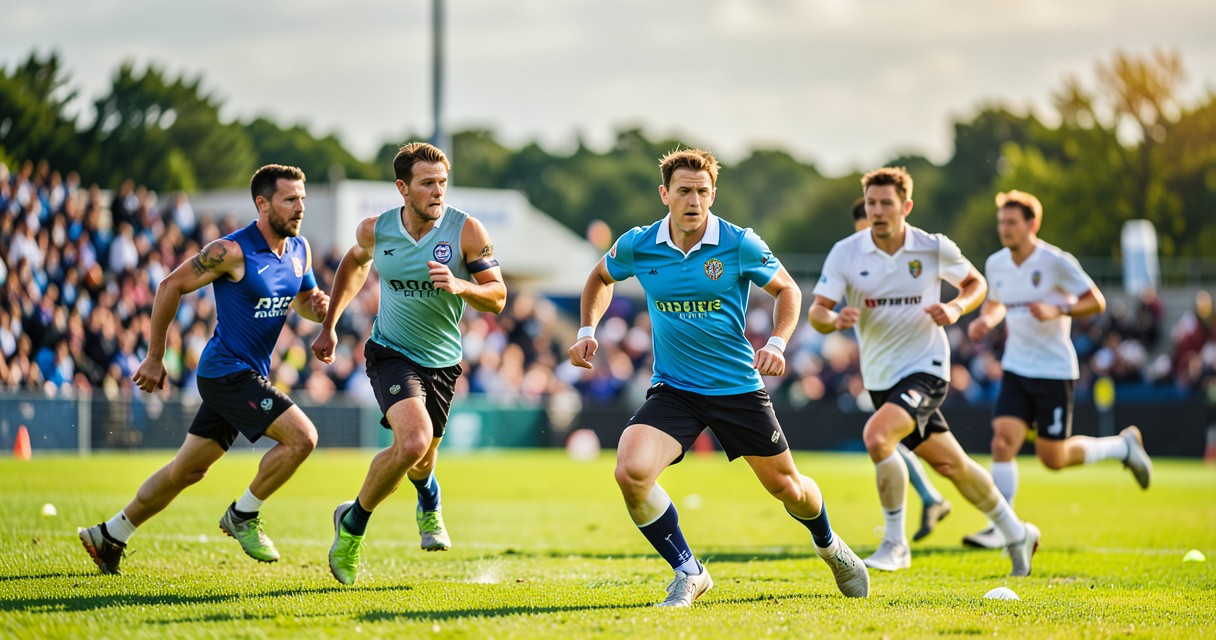
Each position carries specific duties within the press. The forward’s role is to initiate the first line of pressure, forcing the defender to make a hurried decision. Central midfielders act as the second barrier, sliding into passing lanes and offering an outlet for a quick recycle. Full‑backs, when positioned high, provide additional angles of attack and can trap the ball carrier against the sideline. Even the goalkeeper contributes by positioning themselves to narrow the angle for a potential back‑pass, thereby completing the collective effort. When these responsibilities are executed in harmony, the team can compress the opponent’s half and create scoring chances before the opposition regroups.
Measuring the effectiveness of a counter press
Modern analytics provide a wealth of data that can quantify the impact of a counter press. Metrics such as “pressures per defensive action,” “recovery time after loss,” and “expected possession value” allow clubs to assess how efficiently they win the ball back. In the 2025 Champions League, teams that averaged more than eight pressures per loss saw a 12 percent increase in expected goals compared with those that applied fewer pressures. Additionally, the “PPDA” (passes permitted per defensive action) figure often drops dramatically for sides that employ a high‑pressing style, indicating that opponents are forced into shorter, less effective passing sequences.
Video analysis also plays a crucial role, as coaches review moments when the press succeeded or failed to refine patterns and identify gaps. By combining statistical insight with visual feedback, teams can adjust training focus, tweak tactical setups, and enhance player awareness. The continuous loop of data collection, interpretation, and implementation ensures that the counter press remains a dynamic component of a team’s strategy, capable of evolving alongside the ever‑changing demands of elite football.

I’ve been kicking a ball around since I could walk, and the strategy behind the beautiful game never stops fascinating me. I love breaking down match tactics and sharing the stories of players who make football unforgettable.